Chuck Furuya

For the best experience, I recommend chilling white varietals to a range between 45°F to 50°F (7°C to 10°C). This temperature enhances the delicate aromas and flavors that define these beverages, allowing their character to shine. If you prefer a crisper taste, aim closer to 45°F (7°C).
To achieve this ideal state, placing the bottle in an ice bucket filled with equal parts of ice and water for about 15-20 minutes works well. Alternatively, a standard refrigerator can suffice, but plan for at least a couple of hours to reach the desired coolness. Avoid extreme cold conditions, as temperatures below 40°F (4°C) can mute the intricate notes found in these exquisite drinks.
During warmer months, a slight adjustment may be beneficial; a slightly lower range of 43°F to 48°F (6°C to 9°C) can provide a refreshing sensation while still preserving the integrity of the flavors. By following these guidelines, I ensure that each sip is as enjoyable as possible.
Optimal Cooling Range for Light Varietals
I recommend chilling light varietals to a range between 45°F and 50°F (7°C to 10°C). This ensures the refreshing characteristics of the beverage are highlighted, enhancing both aroma and taste.
For a more precise experience, consider the following guidelines:
- For crisp and fruity selections, aim for the lower end of the range (45°F – 47°F).
- For more complex, fuller-bodied options, the upper end (48°F – 50°F) is preferable.
Using an ice bucket with a mix of ice and water can achieve this cooling effectively, taking around 15 to 20 minutes. Avoid placing the bottle in the freezer, as this can lead to undesirable freezing and potential damage to the cork.
Utilizing a thermometer will help maintain accuracy. If you don’t have one, a quick touch can indicate if the bottle feels appropriately chilled. Remember, serving at the right coolness enhances the overall tasting experience.
Optimal Serving Temperature for Different White Wine Varieties
For optimal enjoyment, specific varieties of light beverages require precise chilling levels. Here’s a breakdown of serving recommendations:
| Variety | Recommended Chilling Level (°F) | Recommended Chilling Level (°C) |
|---|---|---|
| Sauvignon Blanc | 45-50 | 7-10 |
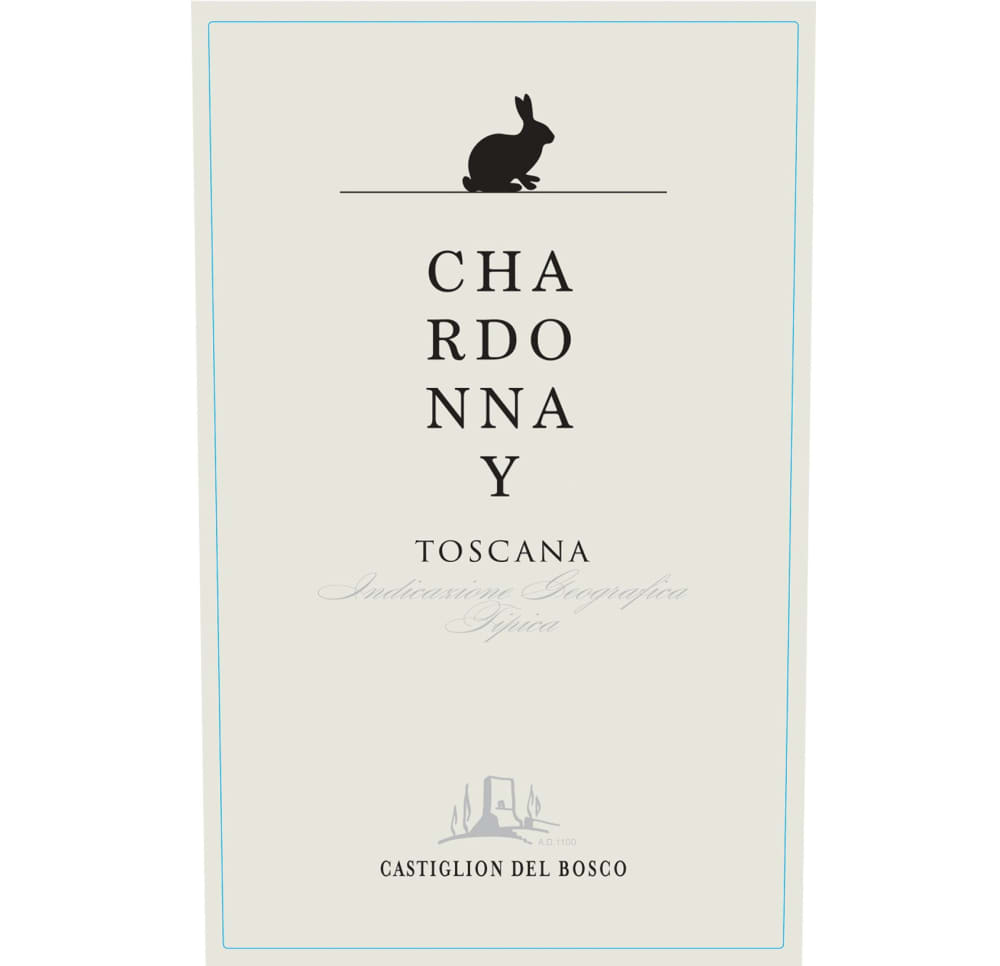
| Chardonnay (unoaked) | 45-50 | 7-10 |
| Chardonnay (oaked) | 50-55 | 10-13 |
| Riesling | 40-50 | 4-10 |
| Pinot Grigio | 45-50 | 7-10 |
| Gewürztraminer | 45-50 | 7-10 |
| Vinho Verde | 40-45 | 4-7 |
Each type brings out distinct flavors at these levels, enhancing the overall tasting experience. It’s advisable to adjust slightly based on personal preference and the specific bottle’s characteristics.
How to Measure the Temperature of White Wine Accurately
For precise assessment, I recommend using a digital thermometer designed for liquids. This tool provides quick readings and ensures accuracy, making it ideal for checking the chill of your beverage.
Steps to Measure
- Clean the probe of the thermometer to avoid contamination.
- Insert the thermometer into the liquid, ensuring it does not touch the sides or bottom of the glass.
- Wait for the reading to stabilize; this usually takes a few seconds.
- Record the temperature displayed on the screen.
Alternative Methods
- Use an infrared thermometer. Point it at the surface of the liquid to get a quick reading, although this method may be less accurate.
- Submerge a metal wine thermometer in the glass. This method takes longer but can be effective if a digital thermometer is unavailable.
For the best results, check the chill before serving and adjust as necessary to achieve the perfect drinking experience.
Best Methods for Chilling White Wine Quickly
For a swift cooling process, I recommend using a combination of ice and water. Fill a bucket or a large bowl halfway with ice, then add cold water. Submerge the bottles in this mixture, ensuring they are surrounded by ice and water. This method can reduce the temperature significantly in about 15-20 minutes.
Alternative Techniques
- Salt Addition: Adding salt to the ice water can lower the freezing point of water, allowing for quicker cooling. Just a few tablespoons of salt can enhance the chilling effect.
- Freezer Method: If time permits, place the bottles in the freezer for 30 minutes. Set a timer to avoid forgetting them, as extended exposure can lead to frozen wine.
- Chilling Sleeves: Invest in reusable chilling sleeves that can be pre-frozen. Slip them onto the bottle for quick cooling, typically within 20 minutes.
Precision Cooling
For those who prefer accuracy, consider using a wine thermometer. This device allows me to monitor the exact degree of chill, ensuring the beverage reaches the ideal serving point without overcooling.
Impact of Temperature on White Wine Flavor Profile
Serving at 45°F to 50°F enhances the crispness and acidity, highlighting fruit notes like citrus and green apple. Cooler temperatures accentuate refreshing characteristics, while slightly warmer conditions, around 50°F to 55°F, allow deeper flavors to emerge, such as stone fruit and floral aromas.
Different varietals respond uniquely to fluctuations. For instance, a chilled Sauvignon Blanc remains zesty and herbaceous, while a fuller-bodied Chardonnay benefits from a touch more warmth, revealing creamy textures and buttery nuances. Over-chilling can mute aromas, diminishing the overall sensory experience.
Experimenting with slight adjustments in serving conditions can lead to a more personalized tasting adventure. Monitoring responses to various temperatures will help refine preferences and enhance enjoyment. Understanding how each degree influences perception is key to appreciating the full complexity of these beverages.
Common Mistakes When Cooling White Wine
Overchilling is a frequent error I encounter. Going below the recommended range can mask the complexities of flavors. I find that many people assume colder is better, but this often leads to a dull taste.
Another misstep is using the wrong chilling method. Ice buckets filled with water and ice are ideal for a quick drop in warmth, but relying solely on the freezer can result in an icy exterior and a still-warm core. I always prefer to monitor the time closely to avoid freezing.
Failing to pre-chill the serving vessel is also common. Placing a glass in a cold environment beforehand can enhance the experience. I often chill my glasses to prevent the drink from warming too quickly once poured.
Neglecting to measure the warmth accurately can lead to serving at suboptimal levels. I use a wine thermometer to ensure precision, avoiding guesswork that could compromise the tasting experience.
Lastly, overlooking the varietal differences often leads to disappointment. Each type has its specific preferences, and I always take the time to research or remember which styles benefit from slightly different cooling techniques.