
 Chuck Furuya


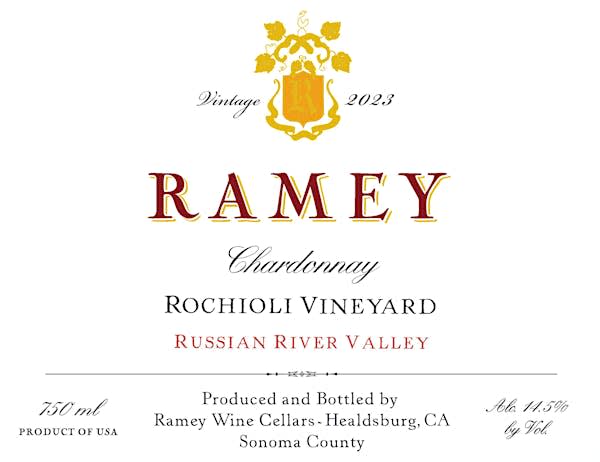
Typically, a period of 1 to 3 years is ideal for most white varietals, allowing them to develop complexity without losing freshness. Certain types, like Sauvignon Blanc and Pinot Grigio, are best enjoyed young, often peaking within a year of bottling.
In contrast, premium selections such as Chardonnay or Riesling can gracefully mature for 5 to 10 years, revealing depth and nuanced flavors. Factors such as acidity, residual sugar, and the winemaking process significantly influence the timeframe for optimal enjoyment.

Personal preferences play a crucial role. I recommend tasting a bottle periodically to determine its evolution and find the perfect moment to savor its full potential. Understanding the specific characteristics of each varietal can enhance this experience, guiding decisions on storage and consumption.
Optimal Aging Period for White Wine
I recommend allowing high-quality white varietals to mature between 2 to 10 years, depending on the specific type. For example, a well-structured Chardonnay may benefit from 5 to 7 years of cellaring to develop complexity and richness. In contrast, lighter options like Pinot Grigio are best enjoyed within 1 to 3 years to preserve their refreshing character.
Certain aromatic whites, such as Riesling and Gewürztraminer, often improve with age, and can reach their peak between 4 to 10 years, gaining depth and nuanced flavors. Age-worthy white Bordeaux can also evolve beautifully over a decade or more, revealing layers of texture and harmony.
Monitoring storage conditions is essential. A consistent temperature around 50-55°F (10-13°C) and humidity levels of 60-70% will enhance the aging process. Regular tastings can help determine the optimal moment to enjoy each bottle, allowing for the appreciation of its evolving profile.
Understanding the Aging Process of White Wine
Monitoring the maturation process is crucial for achieving optimal flavor profiles. Typically, varietals like Chardonnay and Riesling can benefit from a period of bottle aging ranging from 1 to 5 years, while others, such as Sauvignon Blanc, are best enjoyed within a year of bottling.
Temperature control plays a significant role. Ideal storage temperatures hover around 45-50°F (7-10°C). Variations can cause premature aging or spoilage. It’s advisable to maintain consistent humidity levels, ideally between 50-70%, to prevent cork degradation.
Exposure to light should be minimized. Dark storage areas are preferable, as ultraviolet rays can degrade the wine’s quality. If you have a wine fridge, that’s an excellent choice for maintaining controlled conditions.
Tannins and acidity are vital components influencing aging potential. Higher acidity levels in certain whites can enhance longevity. For instance, a high-acid wine might develop complex flavors over time, whereas lower-acid options often diminish quickly.
Regular tasting can help gauge development. Sampling a bottle every year allows you to track changes in aroma and taste, ensuring you enjoy it at its peak. It’s essential to recognize that personal preference also dictates the ideal moment for consumption.
Factors Influencing White Wine Aging Potential
Choosing the right conditions significantly impacts the longevity of a bottle. Here are key elements to consider:
- Grape Variety: Different varietals possess unique aging characteristics. For instance, Chardonnay can develop complexity over time, while Sauvignon Blanc is typically best enjoyed young.
- Acidity Levels: Higher acidity often correlates with better aging potential. Wines with a crisp structure tend to age more gracefully, allowing for a prolonged maturation process.
- Alcohol Content: Wines with elevated alcohol levels may have a greater capacity for aging. A balance between alcohol and acidity is critical for optimal development.
- Residual Sugar: Sweet wines, such as Sauternes, can mature beautifully due to their sugar content, which acts as a preservative, enhancing longevity.
- Oaking: The use of oak barrels during fermentation or aging imparts flavors and tannins that can enhance complexity over time. However, the style and intensity of oak treatment influence aging prospects.
- Storage Conditions: Temperature, humidity, and light exposure play vital roles. A consistent, cool temperature with moderate humidity preserves the integrity of the wine.
Monitoring these factors helps ascertain the optimal time for enjoying a particular bottle. Understanding each element enhances appreciation for the nuances in white wine maturation.
Optimal Aging Times for Different White Wine Varieties
Chardonnay can benefit from a maturation period of 5 to 10 years, especially if it undergoes oak aging. This process enhances its complexity and richness, allowing flavors to develop beautifully.
Sauvignon Blanc typically shines when consumed within 1 to 3 years. Its crispness and aromatic qualities are best appreciated young, although some premium examples can age for up to 5 years, gaining depth.
Riesling often shows its best characteristics when aged for 3 to 7 years. The balance of acidity and sweetness allows for a remarkable evolution, with honeyed notes emerging over time.
Gewürztraminer is generally enjoyed within 2 to 5 years. However, some higher-quality versions can mature for up to a decade, revealing more complex spice and floral aromas.
Viognier typically reaches its peak within 2 to 4 years. Its aromatic profile tends to diminish with extended aging, so enjoying it fresh is advisable.
Pinot Grigio is best appreciated young, usually within 1 to 3 years. Aging beyond this can lead to a loss of its refreshing qualities.
Semillon can age impressively, with optimal drinking windows ranging from 5 to 15 years, depending on the style. Botrytis-affected Semillons, like those from Australia, can last significantly longer, developing rich, complex flavors.


