Chuck Furuya
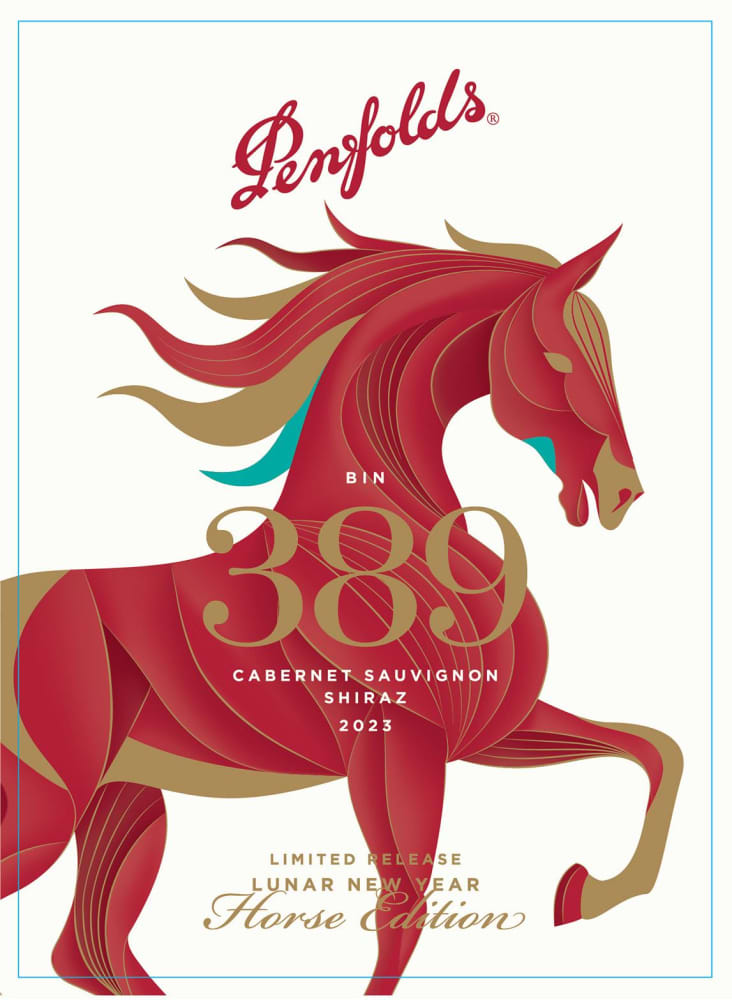

It’s important to recognize that not every crimson beverage is created equal. The flavor profiles can vary significantly based on grape variety, region, and fermentation methods. For an insightful experience, I recommend sampling a range of options, from a bold Cabernet Sauvignon to a lighter Pinot Noir. Each offers a unique tasting experience that can surprise even seasoned enthusiasts.
Factors such as climate and soil composition greatly influence the nuances found in each pour. For instance, a Malbec from Argentina might exhibit dark fruit flavors, while a Chianti from Italy often reveals notes of cherry and earthiness. To fully appreciate these distinctions, consider attending a local tasting event where you can directly compare different types side by side.

Don’t overlook the impact of aging. Many reds benefit from being aged in oak barrels, which can impart additional flavors like vanilla or spice. Trying a young Shiraz against an aged version will highlight how time can transform the character of the beverage. Engaging with knowledgeable staff at wine shops or wineries can enhance your understanding of these complex profiles.
Does All Red Wine Taste the Same
Not every variety has a uniform flavor profile. Each type showcases unique characteristics shaped by grape variety, region, and winemaking techniques. For instance, a Cabernet Sauvignon from Napa Valley will differ significantly from a Merlot produced in Bordeaux.
Consider the following key differences among popular types:
| Variety | Flavor Profile | Region Examples |
|---|---|---|
| Cabernet Sauvignon | Bold, black currant, cedar, and often a hint of green bell pepper. | Napa Valley, Bordeaux |
| Merlot | Softer, plum, chocolate, and herbal notes. | Bordeaux, California |
| Pinot Noir | Light, red fruits like cherry and raspberry, with earthy undertones. | Burgundy, Oregon |
| Syrah/Shiraz | Spicy, dark fruits, and sometimes smoky flavors. | Rhone Valley, Australia |
Temperature and aeration also play crucial roles. Serving at the right temperature enhances aromas and flavors. For example, slightly chilling a Cabernet can soften its boldness. Aeration allows volatile compounds to release, enriching the experience.
Personal preference is a significant factor. Conducting tastings can help identify which profiles resonate most. Trying various options exposes the palate to a spectrum of flavors, encouraging a deeper appreciation.
Factors That Influence Red Wine Flavor
Understanding the nuances of flavor in this beverage involves examining several key elements. Here are the primary factors I consider:
1. Grape Variety
The choice of grape plays a significant role in defining the characteristics of what I am tasting. Different varieties possess unique profiles:
- Cabernet Sauvignon: Bold, with notes of dark fruits, herbs, and tannins.
- Merlot: Softer, featuring plum, chocolate, and a smooth finish.
- Pinot Noir: Delicate, offering red fruits, earthiness, and floral hints.
2. Terroir
Geographical factors are crucial in shaping the essence of the beverage. Elements include:
- Soil Composition: Minerals and nutrients can impart distinct flavors.
- Climate: Temperature and rainfall affect ripening and flavor development.
- Elevation: Higher altitudes can enhance acidity and flavor concentration.
3. Winemaking Techniques
Methods used during production significantly influence the final product:
- Fermentation: Temperature and duration can enhance or mute flavor compounds.
- Aging: Oak barrels impart tannins and additional flavors, such as vanilla or spice.
- Blending: Combining different varieties can create more complex profiles.
These elements work together, making each glass a unique experience. By exploring different combinations, I can appreciate the vast spectrum of flavors available in this type of beverage.
Understanding Different Grape Varieties
Focusing on grape types is key for distinguishing flavors in various drinks. Each variety brings unique characteristics, influencing aroma, body, and palate sensations. For instance, Cabernet Sauvignon often features bold tannins and notes of blackcurrant, while Pinot Noir tends to be lighter with red fruit flavors and earthy undertones.
Key Varieties and Their Profiles
Merlot is recognized for its smoothness and notes of plum and chocolate, making it approachable for many. In contrast, Syrah/Shiraz can deliver intense spiciness and dark fruit, often with a peppery finish. Tempranillo, a Spanish staple, commonly presents flavors of cherry and leather, showcasing its versatility across different regions.
Exploring Malbec reveals dark fruits and a velvety texture, particularly prominent in Argentinian examples. Alternatively, Sangiovese offers bright acidity with cherry and herbal notes, making it a favorite for pairing with food. Each selection provides a distinct sensory experience, showcasing the importance of grape variety in shaping the overall profile.
Regional Influences
Geography significantly impacts flavor nuances. Grapes grown in warmer climates often yield richer, more robust profiles, while cooler regions produce lighter, more delicate expressions. Understanding these regional differences can enhance appreciation for the complexities within each grape type.
The Role of Terroir in Wine Taste
Understanding the influence of terroir is pivotal for appreciating the nuances found in various bottles. Terroir encompasses the unique environmental factors where grapes are cultivated, including soil composition, climate, and topography. For instance, a vineyard located on a rocky hillside may produce fruit with distinct minerality, while grapes grown in fertile loam could yield a richer profile.
Climate significantly impacts acidity and sugar levels in grapes. Warmer regions often lead to higher sugar content, resulting in fuller-bodied selections, while cooler climates can enhance acidity, creating crisper profiles. Grapes from the same variety but different locations can exhibit stark contrasts, showcasing the profound effect of their surroundings.
Soil type also plays a crucial role. Clay soils tend to retain water, which can lead to grapes with more concentrated flavors, whereas sandy soils promote drainage, often resulting in lighter, more aromatic characteristics. The interaction between water availability and root depth further influences flavor complexity and intensity.
In addition, microclimates within a single vineyard can produce varying conditions, leading to diverse flavor expressions. Factors such as elevation and exposure to sunlight can create pockets of unique growing conditions, allowing for intriguing variations even among grapes of the same variety harvested from adjacent rows.
Exploring the interplay of these elements can deepen my appreciation for different selections. Each bottle tells a story shaped by its environment, allowing me to experience a wide spectrum of flavors and aromas. Understanding terroir enhances my tasting experience, revealing the intricacies that make each glass unique.
How Aging Affects Flavors in Red Varietals
Choosing to age a bottle can significantly enhance its complexity. Tannins soften over time, resulting in a smoother mouthfeel. I’ve noticed that older selections often reveal deeper notes of fruit, spice, and earthy undertones that may not be present in their younger counterparts.
Oxidation plays a key role during maturation. As air interacts with the liquid, it can introduce flavors such as caramel, nut, or even chocolate. I find that wines aged for several years develop a delightful bouquet, often described as leathery or tobacco-like, which adds layers to the drinking experience.
Temperature and humidity during storage also impact the aging process. A controlled environment can enhance the evolution of flavors, while fluctuations can lead to spoilage or loss of character. I recommend maintaining a consistent temperature around 55°F (13°C) and a humidity level of 70% for optimal conditions.
Not all varietals benefit equally from aging. Full-bodied options, like Cabernet Sauvignon or Syrah, often improve with time, while lighter styles may be best enjoyed fresh. I’ve found that experimenting with different aging periods can yield surprising results, revealing the unique potential of each bottle.
Ultimately, patience is key. Monitoring the evolution of flavors over time can be rewarding, and I often take notes to track how the profile changes with each tasting. This practice helps me appreciate the nuances that aging brings to each glass.
The Impact of Winemaking Techniques
Focusing on how specific methods influence flavor profiles can enhance your appreciation of various vintages. Here are some key techniques to consider:

- Fermentation Temperature: Higher temperatures can extract more tannins and color, resulting in bolder flavors. Conversely, cooler fermentation often yields lighter, more delicate notes.
- Maceration Time: The duration grapes remain in contact with skins affects both color and tannin levels. Extended maceration typically enriches the complexity and structure.
- Oak Aging: Utilizing oak barrels can impart vanilla, spice, and toast notes. Different types of oak (American vs. French) provide distinct flavor contributions, influencing the final profile significantly.
- Malolactic Fermentation: This secondary fermentation softens sharp acids, creating a creamier mouthfeel and introducing buttery nuances, often enhancing the complexity of the final product.
- Filtration and Fining: Techniques used to clarify can also alter flavor expression. Minimal intervention may maintain more of the wine’s original character, while extensive filtration can strip away delicate aromas.
Each decision winemakers make during the production process can dramatically shape the final experience. Experimenting with various techniques leads to a diverse range of outcomes, ensuring that not all options offer the same sensory experience.
Identifying Tasting Notes in Red Wines
Focus on specific characteristics such as aroma, flavor profile, and finish. Begin with the nose; swirling the glass can release complex scents. Look for fruity notes like cherry, blackberry, or plum, as well as herbal hints such as mint or eucalyptus. Spicy aromas, including black pepper or clove, may also emerge.
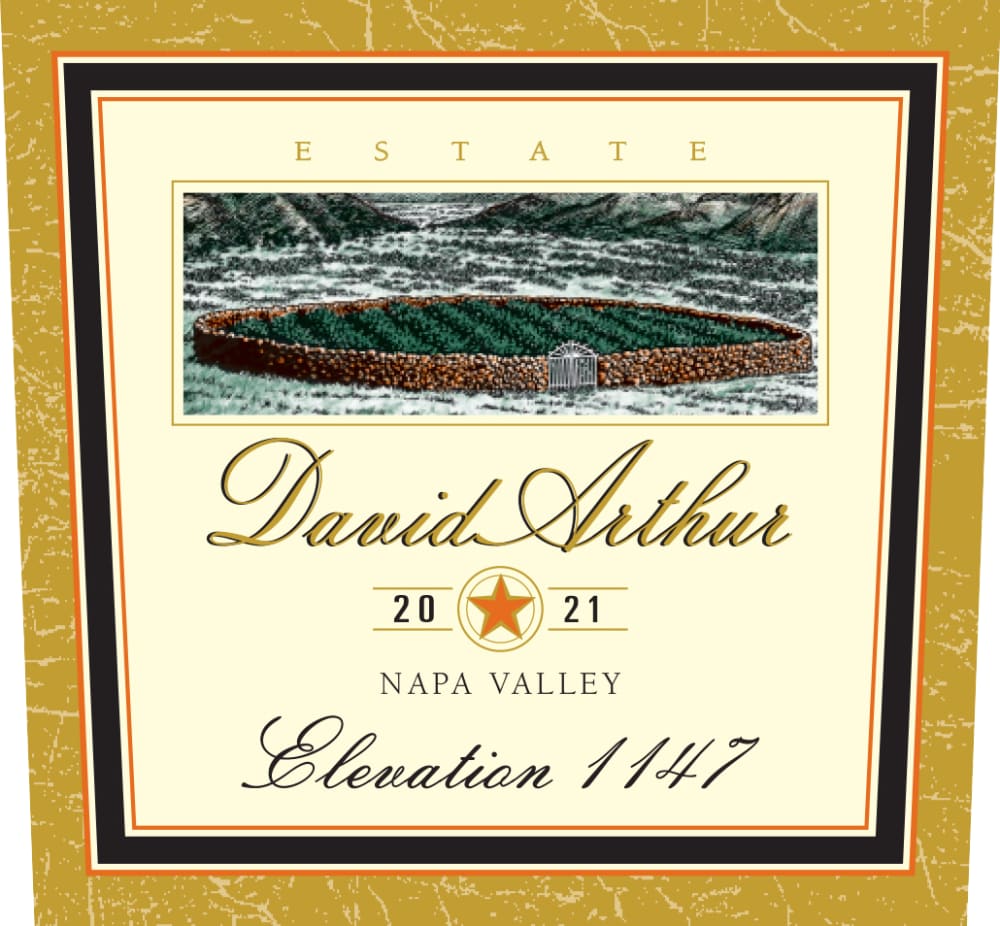
Next, assess the palate. Take a small sip and let it coat your mouth. Identify the primary flavors–these often reflect the grape variety used. For example, Cabernet Sauvignon typically features dark fruits, while Pinot Noir leans towards lighter berries. Look for secondary flavors, which could include chocolate, tobacco, or leather, often derived from oak aging or fermentation processes.
Pay attention to the acidity and tannins. Higher acidity can create a refreshing quality, balancing sweetness and enhancing complexity. Tannins contribute to the wine’s structure and mouthfeel; they can be smooth or astringent, influencing the overall experience.
Finally, consider the finish. A lingering aftertaste can indicate quality. Reflect on the balance between sweetness, acidity, and tannins to assess how these elements harmonize. Practice identifying these notes regularly to refine your palate and enhance your appreciation of various vintages.