Chuck Furuya

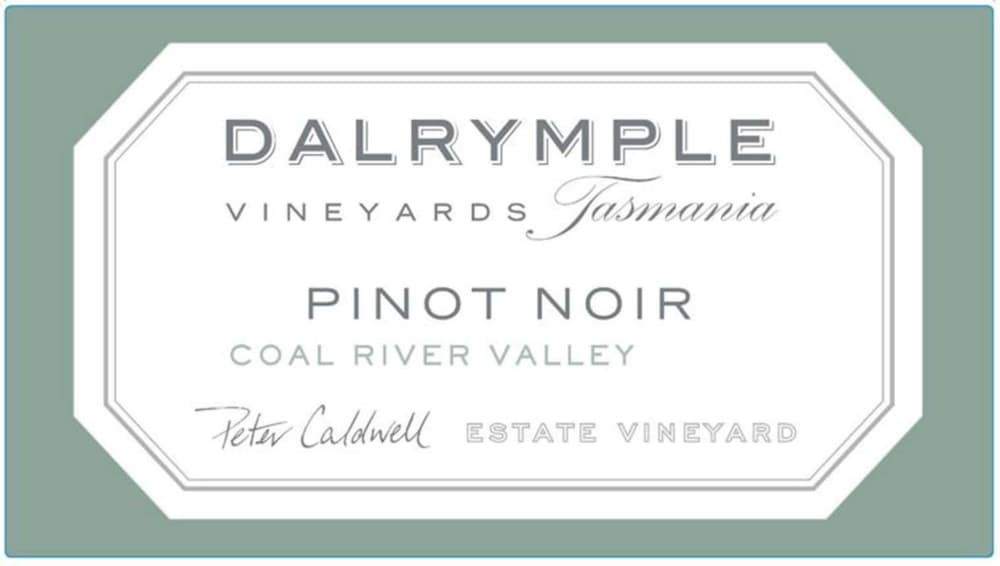

Choosing a dark varietal to complement fish, particularly richer species, can yield delightful results. The key lies in selecting a lighter-bodied option, such as Pinot Noir or Gamay, which can harmonize beautifully without overpowering the dish.
Preparing the fish with a flavorful sauce or seasoning can also enhance the overall experience. For instance, a soy glaze or a herb crust can bridge the gap between the characteristics of the fish and the complexity of the chosen grape. This pairing often surprises those who adhere strictly to traditional guidelines.
When opting for this unconventional match, consider serving at a slightly cooler temperature than usual to bring out the fruitiness and acidity of the varietal. This approach maintains balance and ensures a pleasant tasting experience.
Pairing Options for Salmon Dishes
I recommend opting for lighter, fruit-forward varieties to enhance the flavors of the fish. Pinot Noir, particularly those with a softer profile, complements the rich texture beautifully.
When considering alternatives, these selections can work well:
- Gamay – Known for its bright acidity and berry notes.
- Grenache – Offers a juicy red fruit character that balances well.
- Barbera – Its high acidity cuts through the richness of the dish.
For preparation styles, grilled or roasted options can be paired nicely with these choices. Avoid heavier, tannic varieties which might overpower the delicate taste of the fish.
Experimenting with various preparations or sauces can also influence the pairing. Teriyaki or citrus-based sauces can enhance fruitier selections, creating a harmonious experience.
Ultimately, personal preference plays a significant role, so feel free to explore different combinations to find what pleases your palate the most.
Understanding Flavor Profiles of Salmon
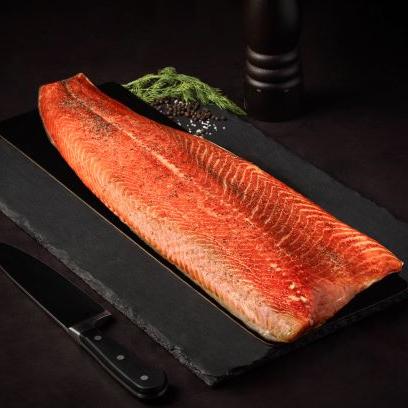
The flavor profile of this fish is multifaceted, characterized by a delicate balance of richness and subtle sweetness. When exploring culinary pairings, the inherent flavors must be considered. The natural oils present impart a buttery texture, enhancing the overall taste experience.
Types and Their Unique Characteristics
Different varieties exhibit distinct tastes. For instance, wild-caught tends to be leaner and offers a more pronounced flavor, while farmed options may present a milder, fattier profile. The preparation method–grilling, baking, or smoking–also influences the final taste. Grilling introduces charred notes, while smoking adds depth with an earthy quality.
Complementary Elements
Accompaniments play a crucial role in highlighting the nuances of the fish. Citrus elements, such as lemon or lime, enhance freshness, while herbs like dill or parsley add aromatic layers. Additionally, light sauces, particularly those with a hint of acidity, can elevate the dish without overpowering it.
Being mindful of the flavor dynamics allows for a more harmonious dining experience, ensuring that each element contributes to the overall enjoyment of the meal.
Choosing the Right Type of Red Wine
For pairing with fish, I recommend lighter varieties of crimson beverages. Pinot Noir stands out for its fruit-forward character and balanced acidity, making it a suitable match for oily fish species. Its berry notes complement the richness of the dish without overwhelming it.
Another excellent option is Gamay, particularly from Beaujolais. This wine offers bright cherry flavors and a refreshing finish, enhancing the dish’s natural flavors. Its low tannin content ensures a smooth interaction with the fish.
For a more adventurous choice, consider a light-bodied Grenache. Its spiciness and berry elements can add an interesting contrast while harmonizing with the elements on the plate.
When selecting any of these options, I focus on the serving temperature, ideally slightly chilled, to maintain freshness and vibrancy. This approach emphasizes the wine’s nuances, creating a more enjoyable dining experience.
Pairing Techniques for Red Wine and Salmon
To create a harmonious combination, I focus on the texture and preparation method of the fish. For grilled or smoked varieties, I often select a light-bodied option to complement the charred flavors. A Pinot Noir, for instance, enhances the smoky notes while providing a refreshing acidity.
Balancing Flavors
When considering seasoning, the spices or marinades used can drastically influence the pairing. Should the dish feature citrus or herbs, I lean towards a fruit-forward variant. A Grenache can elevate the herbal elements without overpowering the delicate taste of the fish.
Temperature and Decanting
Temperature plays a significant role in enjoyment. I prefer slightly chilling the wine, which softens tannins and highlights the fruit profile. If the bottle is young, decanting for about 30 minutes can help in mellowing the flavors, making it more pleasant alongside the dish.
Experimentation is key. I often try different combinations to discover unexpected pairings that enhance both the beverage and the meal. Each preparation method offers a unique opportunity to explore various flavor dynamics.