Chuck Furuya

Once a bottle is uncorked, it’s crucial to consume the contents within a specific timeframe to preserve flavor and quality. Typically, a chilled white varietal remains enjoyable for about 3 to 5 days when stored correctly in the refrigerator. Utilizing a vacuum pump can extend this period slightly by minimizing exposure to oxygen.
Flavor profiles begin to deteriorate rapidly after the first couple of days. If the liquid starts to exhibit a flat taste or an off-putting aroma, it’s an indication that freshness has diminished. For optimal enjoyment, I recommend sealing the bottle tightly after each pour.
For those who may not finish the bottle, consider using smaller containers to store leftover liquid. This practice reduces air exposure, helping to maintain its character for a longer duration. Always check the cork or cap for any signs of damage or leakage, as these can also affect the longevity of the beverage.
When Does White Wine Expire After Opening
Typically, a bottle remains enjoyable for 3 to 5 days once it’s uncorked, depending on storage conditions and the specific variety. I recommend storing it in the refrigerator to slow oxidation. If the bottle is sealed tightly, the time frame may extend slightly. A cork or wine stopper can help maintain freshness.
Fruity and lighter options, like Sauvignon Blanc or Pinot Grigio, are best consumed within 3 days for optimal taste. Richer varieties, such as Chardonnay, might last up to a week. Be aware that as time passes, the flavor profile can shift, often becoming less appealing.

Signs of spoilage include off-putting odors, a noticeable change in color, and a sour taste. If any of these occur, it’s advisable to discard it. Always trust your senses; if it doesn’t smell or taste right, it’s better to err on the side of caution.
Understanding the Shelf Life of Opened White Wine
The optimal consumption period for an opened bottle typically ranges from 3 to 5 days. To maintain quality, I recommend refrigerating the bottle immediately after pouring. This slows down oxidation, which can negatively impact flavor and aroma.
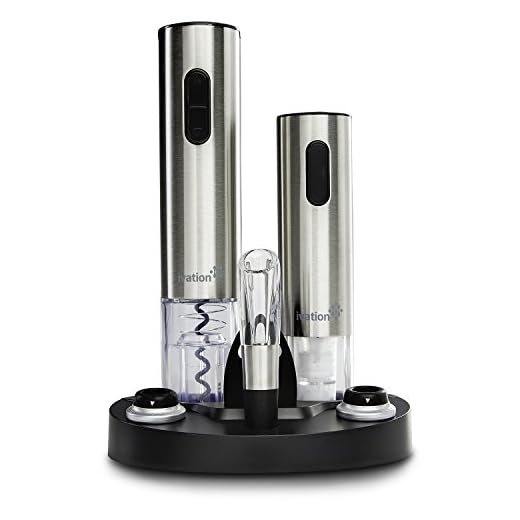
Utilizing a vacuum pump can also help extend longevity by removing excess air. If I find myself with a half-full bottle, I ensure to seal it tightly and store it upright to minimize exposure to air.
Pay attention to sensory cues. If I detect off flavors or a vinegar-like smell, it’s a sign that freshness has diminished. Taste a small amount to assess quality; if it tastes flat or sour, it’s best to discard it.
Specific varietals may have varying shelf lives. For instance, a crisp Sauvignon Blanc can last longer than a creamy Chardonnay. I often keep this in mind when selecting bottles for occasions.
Investing in a wine preservation system can be beneficial for frequent consumers, allowing for prolonged enjoyment without compromising taste. In my experience, proper storage techniques make a significant difference in preserving the essence of the drink.
Factors That Influence Freshness of Opened Vino
Temperature plays a critical role in maintaining the quality of an opened bottle. Storing at a stable, cooler temperature, ideally between 45°F and 50°F (7°C to 10°C), helps preserve flavors and aromas. Avoid leaving the bottle at room temperature, where heat can accelerate oxidation.
Oxygen Exposure
The amount of air that comes into contact with the liquid significantly affects its longevity. Once uncorked, a bottle begins to oxidize. Using a vacuum pump or wine preservation system can minimize oxygen exposure, extending the drinkability period.
Closure Type
The type of closure influences how much air interacts with the beverage. Natural corks allow for some air exchange, while synthetic corks and screw caps generally seal better, reducing oxidation and preserving taste for longer. Always consider the closure when assessing how quickly the contents will deteriorate.
| Factor | Impact on Freshness |
|---|---|
| Temperature | Higher temperatures speed up oxidation. |
| Oxygen Exposure | Increased air contact leads to quicker spoilage. |
| Closure Type | Natural cork allows for more air; synthetic options limit exposure. |
Signs That Your Opened Beverage Has Gone Bad
Look for specific indicators to determine if your opened bottle has spoiled. The following signs are crucial to identify:
Visual Changes
- Color Alteration: A shift to a darker hue, especially towards brownish tones, suggests oxidation.
- Cloudiness: A previously clear liquid becoming hazy can indicate spoilage.
Olfactory and Taste Indicators
- Off Odors: A smell reminiscent of vinegar or a sour aroma is a clear signal of spoilage.
- Unpleasant Taste: A bitter or overly acidic flavor deviates from its original profile, marking deterioration.
Be attentive to these signs. If any are present, it’s best to discard the liquid to avoid unpleasant experiences.