Chuck Furuya



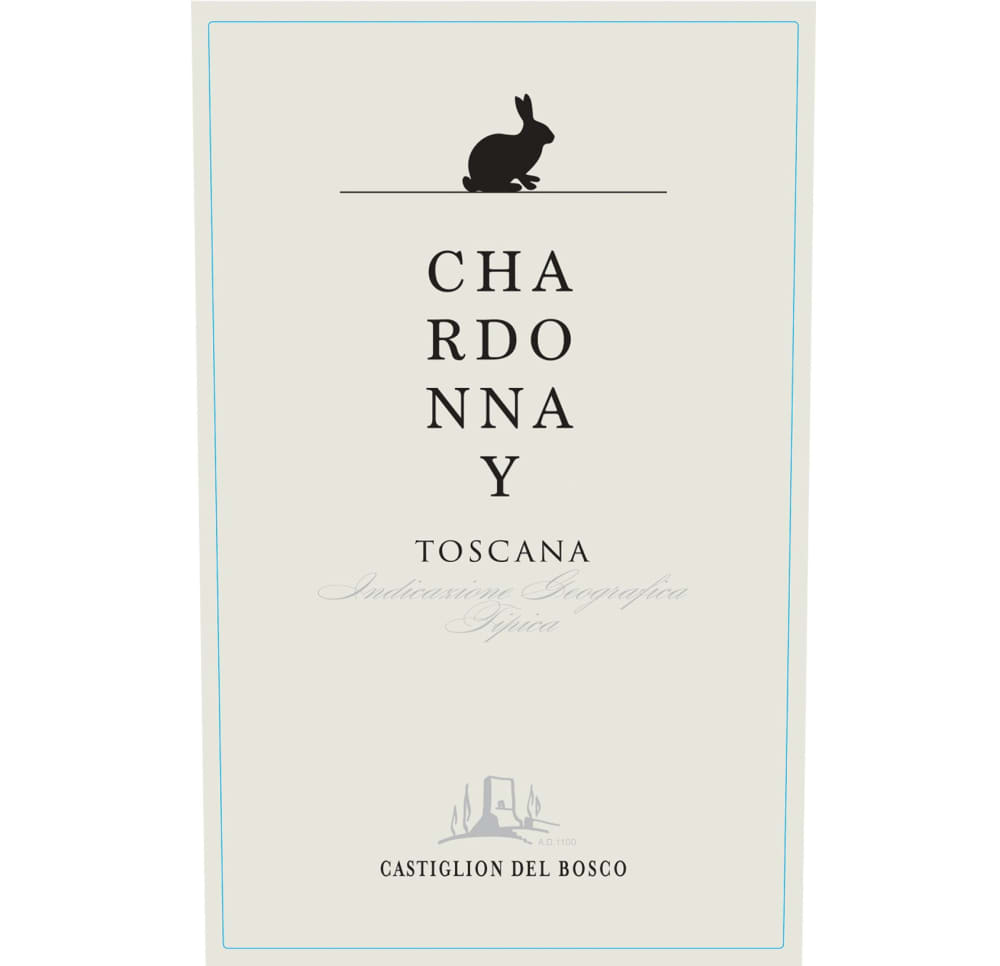
Combine a bottle of crisp Chardonnay or Sauvignon Blanc with a handful of aromatic spices to craft an inviting beverage. I recommend starting with cinnamon sticks, star anise, and whole cloves for a warm, fragrant base that awakens the senses.
Heat the mixture gently in a saucepan, allowing the flavors to meld. Add slices of fresh citrus–lemons or oranges–for a zesty brightness. Sweeten to taste with honey or sugar, adjusting the sweetness according to your preference. Simmer for about 20 minutes, ensuring the wine does not boil, to preserve its character.
Once ready, strain the liquid into heatproof glasses. Garnish with additional citrus slices or a sprinkle of nutmeg for a finishing touch. This delightful concoction is perfect for a cozy evening or as a unique offering at gatherings.
Choosing the Right Wine for Spicing
Opt for a dry varietal, such as Sauvignon Blanc or Pinot Grigio. These selections provide a crisp foundation that complements the infusion of flavors without overwhelming the palate.
Acidity Matters
Higher acidity levels enhance the balance, allowing spices to shine. A vibrant wine retains freshness, making it ideal for aromatic additions like cinnamon or star anise.
Avoid Oaked Options
Steer clear of oaked types; their buttery textures and toasted notes can clash with spices. Instead, look for stainless steel-aged wines which maintain a clean profile.
Consider regional varieties as well; wines from cooler climates often exhibit more acidity and fruitiness, enhancing the overall experience. Experiment with different combinations to discover unique blends that suit your taste.
Selecting Spices for Your Recipe
I recommend beginning with a foundation of classic spices like cinnamon, star anise, and cloves. These provide warmth and depth, complementing the natural flavors of the beverage. Adjust the amounts based on personal preference; for a subtle hint, use less, and for a bolder presence, increase the quantity.
Next, consider adding citrus elements such as dried orange or lemon peel. These add brightness and balance, enhancing the overall experience. A small amount goes a long way, so start with a teaspoon and adjust as needed.
Herbs like thyme or rosemary introduce an aromatic quality. Use them sparingly; a few sprigs can transform the profile without overwhelming the palate. Fresh herbs can also be experimented with, though they may require a different approach in terms of infusion time.
For those who enjoy a hint of heat, a touch of ginger or a dash of peppercorns can add an exciting kick. Again, moderation is key; a pinch can elevate the blend without dominating it. Always taste as you go to find the right balance.
Lastly, think about unique spices like cardamom or nutmeg. These can provide an intriguing twist, but their potent flavors can easily overpower. Start with a small amount, and feel free to combine spices to create a personalized blend.
Keep notes on your experiments to refine your approach over time. The perfect combination is often discovered through trial and error, so enjoy the process!
Preparing the Wine for Infusion
Choose a clean glass container, such as a jar or pitcher, to hold the liquid. Ensure that it is free of residues that may alter the flavor.
Pour the chosen beverage into the container, leaving some space at the top to accommodate the spices. This prevents overflow when the ingredients are added.
Gently warm the liquid to enhance the infusion process. Use a stovetop or microwave, but avoid boiling, as high temperatures can alter the taste negatively. Aim for a temperature just below simmering.
Incorporating the Ingredients
Once warmed, carefully add the selected spices. I prefer to use a combination of whole spices, as they release their flavors gradually. Consider using cinnamon sticks, star anise, or cloves for depth.
Stir the mixture gently to ensure the spices are well distributed. Cover the container to trap the aromas and flavors during the infusion.
Infusion Time
Allow the blend to sit for at least an hour, but for more intense flavors, let it steep for several hours or even overnight in the refrigerator. Taste it periodically to achieve the desired balance.
Once infused, strain the mixture to remove the solid spices, ensuring a smooth experience. The resulting concoction can be served warm or chilled, depending on your preference.
Steps to Combine Wine and Spices
Begin by selecting a suitable vessel for infusion, such as a large glass jar or a pot. A glass container is preferable as it allows me to monitor the color and clarity of the blend. Ensure the container is thoroughly cleaned and sanitized to avoid unwanted flavors.
Measuring Ingredients
Accurately measure the amount of both the liquid and spices. A general guideline is to use about 1-2 tablespoons of spices for every bottle (750ml) of liquid. Adjust this quantity based on personal taste preferences and the potency of the spices.
| Ingredient | Measurement |
|---|---|
| Spices | 1-2 tbsp per 750ml |
| Liquid | 750ml |
Infusion Process
Combine the chosen spices and liquid in the prepared container. Stir gently to ensure even distribution. Seal the container tightly to prevent air exposure. Allow the mixture to steep in a cool, dark place for at least 24 hours, tasting periodically to check the flavor development.
Once the desired taste is achieved, strain the mixture through a fine mesh sieve or cheesecloth to remove the solid spices. Store the infused creation in a clean bottle, ready for serving.
Determining the Infusion Time
For optimal flavor extraction, I recommend infusing the concoction for at least 30 minutes to 2 hours. This timeframe allows the spices to release their aromas and enhance the base beverage without overpowering it.
During the initial 30 minutes, I taste the mixture periodically. This helps me gauge how the spices are developing. If a more pronounced flavor is desired, I may extend the infusion time, but typically not beyond 4 hours to avoid bitterness.
For a balanced result, I find that warming the liquid slightly during infusion can accelerate the process, but it’s crucial to avoid boiling. Gentle heat helps the spices meld without losing their delicate notes.
I often note that different spices have unique infusion characteristics. For instance, cinnamon and cloves tend to release their flavors more quickly than star anise or cardamom, which may require a longer steeping time. Adjusting the infusion duration based on the spices used will yield a more harmonious blend.
Once satisfied with the flavor profile, I strain out the spices to halt the infusion process and preserve the intended taste. This careful timing ensures a delightful experience with every sip.
Tasting and Adjusting Flavor Profiles
Begin by sampling your infused beverage after the designated infusion time. Take small sips to assess the balance of flavors, identifying the predominant notes from both the liquid and the added ingredients.
Identifying Key Flavors
Focus on the sweetness, acidity, and spiciness. If the profile feels flat, consider enhancing it with a touch of citrus zest or a splash of fruit juice to brighten the overall taste. Conversely, if the mixture is overly sweet, a hint of acidity can help to balance it out.

Fine-Tuning the Blend
Add spices incrementally. A pinch of cinnamon or a dash of nutmeg can transform the character without overpowering it. Allow time for the flavors to meld after each addition before tasting again. This gradual approach ensures a harmonious blend.
After adjustments, let the concoction rest for a short period before serving. This allows the flavors to integrate fully. Keep notes on the quantities used for future reference, ensuring consistency in subsequent preparations.
Serving Suggestions for Spiced White Wine
Serve this aromatic beverage warm in heat-resistant glasses or mugs to enhance its fragrant profile. A sprinkle of cinnamon or a twist of citrus peel on top adds visual appeal and a hint of extra flavor.

Pair with a variety of dishes:
- Cheese platter: Soft cheeses like Brie or goat cheese complement the aromatic qualities beautifully.
- Roasted poultry: The herbal notes blend seamlessly with roasted chicken or turkey, enhancing the meal’s richness.
- Spicy appetizers: Dishes like spicy shrimp or jalapeño poppers create an exciting contrast with the sweet notes of the infused drink.
- Fruit desserts: Serve alongside apple pie or poached pears to highlight the fruity undertones.
For a festive touch, consider garnishing with fresh herbs such as mint or rosemary. This not only elevates the presentation but also adds a refreshing scent as you sip.
Hosting a gathering? Create a self-serve station with toppings like additional spices, citrus slices, and sweeteners. This allows guests to customize their experience, making it interactive and enjoyable.
In colder months, I opt for a cozy setting with soft lighting and warm blankets, perfect for sipping this delightful infusion by the fireplace. In contrast, during warmer seasons, serving chilled in a pitcher can make for a refreshing twist, especially with ice cubes made from fruit juices or herbs.
Storing Leftover Infused Beverage Properly
To maintain the quality of any remaining concoction, store it in an airtight container, ideally a glass bottle with a tight-sealing cork or cap. This prevents oxidation and helps retain the flavors.
Temperature and Light Considerations
Keep the sealed bottle in a cool, dark place. A refrigerator is a suitable option, especially if the mixture includes fresh ingredients like citrus or herbs, which can spoil quickly.
- Avoid exposure to direct sunlight.
- Ensure the temperature remains consistent, ideally around 50-60°F (10-15°C).
Duration of Storage
Consume the remaining infusion within a week for the best flavor. While it may last longer, the taste can change, and the freshness diminishes.
If you notice any off-odors or changes in color, it’s best to discard the mixture. Always trust your senses to determine its quality before serving.