
 Chuck Furuya
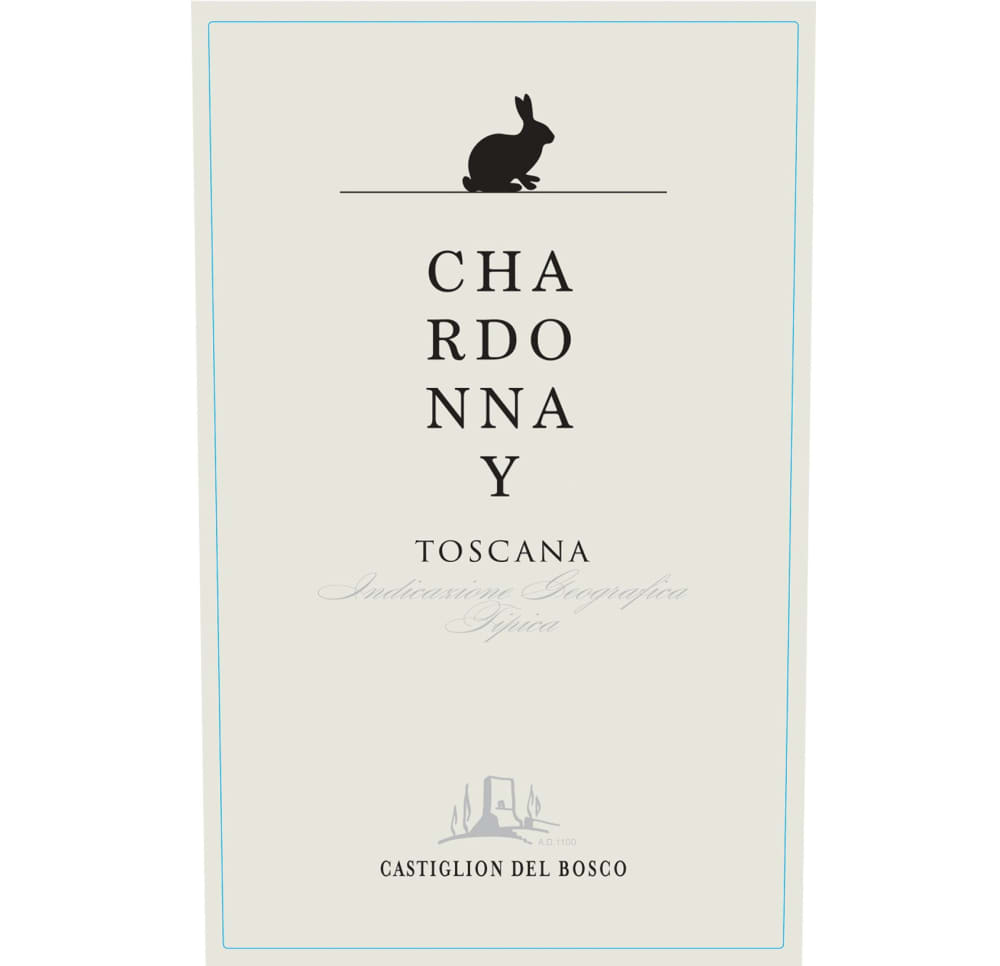

Opened bottles of white varietals maintain their quality for approximately three to five days when stored in a cool environment. For optimal preservation, it’s advisable to reseal the bottle tightly using its original cork or a wine stopper.
Temperature plays a significant role in extending the lifespan of these beverages. Keeping the bottle at a consistent temperature below 50°F (10°C) is ideal. Exposure to light and air can lead to quicker deterioration, so minimizing these factors is crucial.
For those who enjoy sparkling whites, it’s worth noting that they typically retain their effervescence for about one to three days. Using a sparkling wine stopper can help maintain the bubbles for a longer period.
In summary, proper storage techniques can significantly influence how well opened white varietals hold up in flavor and aroma, ensuring a pleasant experience for future tastings.
Storage Duration for Opened White Vino in Chilled Environment
Typically, I find that a bottle retains its quality for about 3 to 5 days in a cooled setting once the seal has been broken. This timeframe can vary based on the specific type and storage conditions.
Factors Influencing Freshness
Several elements can impact how well the beverage holds up:
- Type of closure: A cork will allow for more oxidation compared to a screw cap, affecting longevity.
- Exposure to air: Minimizing contact with air can help maintain its integrity.
- Temperature: Consistent cooling at around 45-50°F (7-10°C) is ideal.
Storage Recommendations
To maximize the lifespan:
- Seal the bottle tightly using the original cork or a wine stopper.
- Keep it upright to minimize surface area exposure to oxygen.
- Avoid placing it in the door where temperatures fluctuate.
| Type | Storage Duration |
|---|---|
| Light White (e.g., Pinot Grigio) | 3-5 days |
| Full-Bodied White (e.g., Chardonnay) | 3-5 days |
| Sparkling White (e.g., Prosecco) | 1-3 days |
Understanding Oxidation in White Wine
Oxidation begins immediately once the seal is broken. Exposure to air can lead to significant changes in flavor and aroma. Within a few days, a once crisp and refreshing drink may develop notes that are flat or overly nutty.
To mitigate oxidation, I recommend using a vacuum pump to remove excess air from the bottle. This can extend the lifespan of the beverage for several days. Alternatively, transferring the liquid to a smaller container can help minimize the amount of air in contact with the liquid.
Storing in a cooler environment, like a refrigerator, can slow down the oxidation process. Keeping the bottle upright also reduces the liquid’s surface area exposed to air, further limiting oxidation.
It’s wise to consume within three to five days post-opening for optimal taste, especially for lighter varietals. More robust selections might maintain their integrity a bit longer, but it’s essential to trust your senses. If the aroma is off or flavors seem dull, it’s best to discard.
Factors Affecting the Shelf Life of Opened White Wine
Temperature plays a significant role in preserving the quality of an opened bottle. Ideally, I store it at a consistent temperature between 45°F and 50°F (7°C to 10°C). Fluctuations can accelerate spoilage.
Exposure to oxygen is another critical factor. Once I uncork, air begins interacting with the liquid, leading to oxidation. To minimize this, I use a vacuum pump to remove excess air or reinsert the cork tightly.
Type of closure also impacts longevity. Bottles sealed with screw caps generally maintain freshness longer compared to those with corks, which can allow more air in.
Acidity levels can influence shelf life. Higher acidity wines, like Sauvignon Blanc, tend to remain drinkable for a longer period than sweeter options. I pay attention to these characteristics when selecting bottles.
Storage conditions matter as well. Keeping the bottle upright prevents sediment from disturbing the liquid, while horizontal storage can lead to cork degradation. I ensure bottles are stored properly.
Light exposure is detrimental. I keep opened bottles away from direct sunlight and bright artificial light to prevent premature aging.
Lastly, I consider the initial quality of the wine. Premium varieties typically have better aging potential than lower-grade options. Choosing wisely at the outset can extend enjoyment.
Signs That White Wine Has Spoiled
If I notice any of the following indicators, it’s time to discard the bottle. First, a change in color is a telltale sign; if the liquid shifts from a bright hue to a darker or brownish shade, it’s likely gone bad.
Next, I pay attention to the aroma. A sour or vinegar-like scent suggests spoilage. Fresh and fruity notes should dominate; anything resembling mustiness or a rotten smell is a red flag.
The texture also matters. If the liquid feels thicker or syrupy, it may have undergone unwanted changes. A smooth sip should remain consistent; any unusual mouthfeel warrants caution.
Lastly, a fizzy sensation on my palate is suspicious. While some sparkling varieties are intentionally effervescent, a still wine displaying bubbles could indicate a fermentation problem. It’s best to err on the side of caution and discard any questionable bottle.




