Chuck Furuya


For optimal enjoyment, the ideal serving range for red varietals is between 60°F and 65°F (15°C to 18°C). This temperature allows the complex flavors and aromas to fully express themselves, enhancing the tasting experience.
In contrast, lighter varietals benefit from being served chilled, ideally between 45°F and 55°F (7°C to 13°C). This cooler range preserves the crispness and refreshing qualities, making them perfect for warm weather or casual gatherings.
Maintaining these specific ranges ensures that both types of wine deliver their intended character, allowing for a more enjoyable tasting experience. Adjusting the temperature before serving can significantly impact the overall perception of the wine’s flavor profile.
Ideal Storage Conditions for Different Varieties
For optimal enjoyment, I maintain a range of 55°F to 65°F for full-bodied varieties. This allows the complex flavors to develop while keeping the tannins in check. Lighter options benefit from slightly cooler conditions, around 50°F to 55°F, which helps preserve their crispness and aromatic qualities.

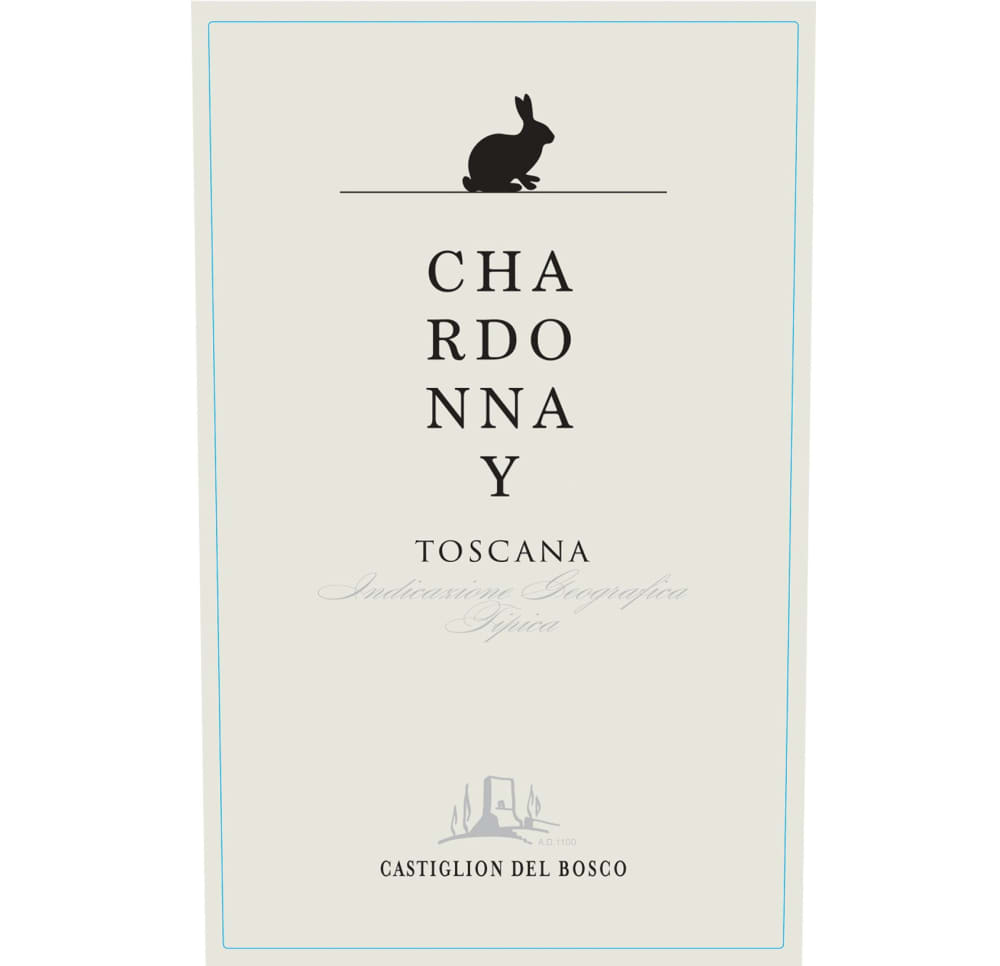
In contrast, I prefer to store more delicate types, such as Chardonnay or Sauvignon Blanc, at approximately 45°F to 50°F. This temperature enhances the refreshing notes while minimizing the risk of oxidation.
Consistency is key; I ensure that fluctuations are minimal to avoid adversely affecting the taste profile. I also use a dedicated storage unit or wine fridge to maintain these specific conditions, as a standard refrigerator can be too cold and dry.
By adhering to these guidelines, I find that each glass offers a more enjoyable and authentic experience, showcasing the true character of the selection.
Ideal Serving Temperature for Red Wine
For optimal enjoyment, I recommend serving red varieties between 60°F and 65°F (15°C to 18°C). This range enhances the wine’s aromas and flavors, allowing for a more pleasurable tasting experience.
Factors Influencing Serving Temperature
Different styles of red beverages respond uniquely to serving conditions. Lighter reds, such as Pinot Noir, benefit from slightly cooler conditions around 55°F to 60°F (13°C to 15°C), while fuller-bodied options like Cabernet Sauvignon are best enjoyed closer to 65°F (18°C).
| Type of Red Wine | Ideal Serving Temperature |
|---|---|
| Light Reds (e.g., Pinot Noir) | 55°F – 60°F (13°C – 15°C) |
| Medium Reds (e.g., Merlot) | 60°F – 62°F (15°C – 17°C) |
| Full-Bodied Reds (e.g., Cabernet Sauvignon) | 62°F – 65°F (17°C – 18°C) |
Tips for Achieving the Right Temperature
To achieve the perfect serving conditions, I recommend chilling the bottle in the refrigerator for about 30 minutes before serving or using an ice bucket filled with water and ice. Avoid serving directly from the cellar, as it is often too cool for optimal enjoyment.
Optimal Serving Temperature for White Wine
The ideal range for serving chilled varieties lies between 45°F to 50°F (7°C to 10°C). This ensures a refreshing experience that highlights the wine’s acidity and fruitiness.
Different styles of chilled beverages call for slightly adjusted conditions:
- Sauvignon Blanc: Aim for 45°F to 50°F (7°C to 10°C) to enhance its crispness.
- Chardonnay: A range of 50°F to 55°F (10°C to 13°C) allows the complexity of oak aging to shine.
- Riesling: Serving at 45°F to 50°F (7°C to 10°C) accentuates the floral notes and sweetness.
Cooling methods can impact the experience. I prefer using an ice bucket for a quick chill rather than the refrigerator, which can take too long. A 15-20 minute soak in ice and water typically achieves optimal results.
Monitoring the serving conditions enhances appreciation of the characteristics. It’s helpful to have a thermometer on hand for accuracy, ensuring that each glass is poured at the perfect moment.
Impact of Temperature on Wine Flavor Profile
Serving at the right degree significantly influences the aromatic complexity and overall taste experience. For instance, higher warmth can enhance the perception of sweetness and body in a vintage, while cooler conditions tend to emphasize acidity and freshness. This balance is crucial for achieving the intended flavor nuances.
Red Varietals
When enjoyed at slightly elevated warmth, the fruit characteristics become more pronounced, revealing deeper layers of flavor such as spices, tannins, and oak influence. For example, a Cabernet Sauvignon can exhibit lush blackberry notes and a velvety texture when served around 60-65°F (15-18°C). Conversely, serving too warm can lead to overpowering alcohol presence, overshadowing the delicate profiles.
White Varietals
Chilled whites allow for a refreshing burst of citrus and floral traits. Keeping Sauvignon Blanc at about 45-50°F (7-10°C) brings forth its zesty acidity and vibrant fruitiness. However, excessively cold conditions can mute the aromatic qualities, stripping away the subtleties that define a well-crafted white. Thus, finding the sweet spot promotes an engaging tasting experience.