Chuck Furuya


If you’re searching for options with a softer palate, consider a Merlot. This varietal typically showcases a smooth texture and a fruit-forward profile, making it an excellent choice for those sensitive to sharper tastes.
Another excellent selection is a Zinfandel. It often features ripe berry flavors with a hint of spiciness, providing a balanced experience without overwhelming acidity.
For a more unique option, explore wines from the southern regions of France, like a Grenache. Known for its juicy fruit character and lower tartness, it pairs beautifully with various dishes.
Lastly, don’t overlook the delightful charm of a Dolcetto from Italy. This wine tends to be soft and velvety, offering an inviting profile that’s easy to enjoy on any occasion.
Choosing Wines with Gentle Acidity
I recommend looking into wines like Zinfandel and Merlot. These varieties tend to offer a smoother mouthfeel and are favored for their softer acidity levels. When searching for a bottle, consider the following options:
- Merlot: Known for its plush fruit flavors, this variety typically has a rounder profile, making it a great choice for those sensitive to sharpness.
- Zinfandel: With jammy notes and a warm finish, Zinfandel often comes across as less tart, appealing to those seeking a mellow experience.
- Grenache: This grape produces wines rich in berry flavors and low in acidity, perfect for easy sipping.
- Shiraz/Syrah: Particularly from warmer climates, these options frequently showcase bold fruit with a smooth finish.
- Tempranillo: Offering earthy undertones and ripe fruit, this choice is often less acidic than many other reds.
Tips for Selection
When selecting a bottle, look for descriptors like “smooth,” “ripe,” or “supple,” which often indicate a softer acidity. Additionally, consider wines produced in warmer regions, as they tend to have riper fruit and reduced acidity levels.
Food Pairing Suggestions
Pairing these selections with heartier dishes enhances their flavors. I find that they complement grilled meats, rich pasta dishes, and even some spicy cuisines beautifully. Experimenting with these combinations can lead to delightful experiences.
Identifying Low-Acidity Red Wine Varieties
For those seeking smoother options, I recommend exploring the following grape types known for their gentler tartness:
- Merlot: This variety tends to showcase softer tannins and a rounder profile, often resulting in a less sharp finish.
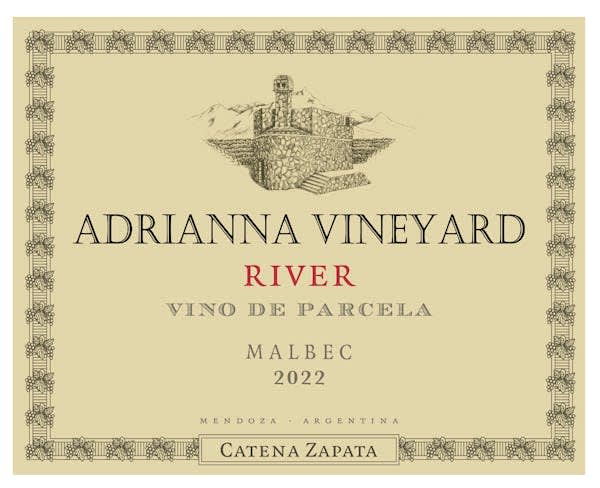
- Malbec: Characteristically rich and fruity, Malbec often presents a plush mouthfeel, making it a favorite for those avoiding higher acidity.
- Cabernet Sauvignon (from warmer climates): While this grape can be bold, versions from warmer regions may exhibit a more mellow acidity.
- Shiraz/Syrah: Known for its robust flavors, this variety often balances fruitiness with a smoother acidity.
- Zinfandel: Typically juicy and fruit-forward, Zinfandel can also be a delightful choice for those preferring a softer experience.
Evaluating the Experience
When tasting, focus on these elements:
- Check for fruit-forward notes; the presence of ripe berries often indicates a smoother profile.
- Pay attention to the finish; a lingering sweetness or roundness can signal lower tartness.
- Consider the balance of flavors; a well-rounded taste is usually a sign of gentler acidity.
By focusing on these varieties and tasting tips, I find it easier to enjoy a more approachable glass suited to my palate.
Understanding the Impact of Climate on Wine Acidity
Regions with warmer climates generally produce beverages with reduced tartness. Grapes cultivated in hotter areas ripen more fully, resulting in higher sugar content and lower levels of sharpness. For instance, locations like California’s Napa Valley and Australia’s Barossa Valley are known for crafting smoother, softer beverages due to their warm, sunny conditions.
Temperature’s Role
High temperatures accelerate grape maturation, allowing sugars to develop while organic acids diminish. This process leads to a smoother drinking experience. Conversely, cooler regions, such as parts of Oregon and northern France, often yield grapes with more pronounced sharpness, as the cooler temperatures preserve higher acidity levels.
Soil and Terroir Influence
Soil composition also plays a significant role in acidity levels. Well-draining soils tend to produce fruit with less acidity, as vines can access water more efficiently and focus on sugar development. Sandy or gravelly soils often contribute to the production of softer beverages, while clay-rich soils may retain more moisture, leading to higher acidity.