Chuck Furuya
Chardonnay stands out as an excellent choice to complement a succulent beef roast. Its rich, buttery notes harmonize beautifully with the savory flavors of the meat, particularly when it’s roasted to perfection. Opt for a medium to full-bodied version, ideally one that has undergone malolactic fermentation, which adds a creamy texture that enhances the dish.
Another option is a Viognier, known for its aromatic profile and stone fruit characteristics. This varietal’s floral and peachy nuances create an intriguing contrast against the hearty nature of the roast. Look for a Viognier with a balanced acidity to cleanse the palate while still elevating the meal’s flavors.
For a more adventurous pairing, consider a Sauvignon Blanc. Its crisp acidity and herbaceous notes can provide a refreshing counterpoint to the richness of the beef. A New World Sauvignon, with its tropical fruit undertones, can particularly enhance the overall dining experience.
Lastly, a blend featuring Semillon might also be worth exploring. This wine’s waxy texture and subtle sweetness can meld nicely with the savory elements of the roast. Choose a Semillon that has some age, as the complexity can elevate the dish to new heights.
Pairing Suggestions for Beef Dish
I highly recommend a Chardonnay, particularly those that are oaked. The creamy texture and buttery notes complement the richness of the meat beautifully. Look for options from regions like Napa Valley or Burgundy, where the balance of acidity and depth is well achieved.
Alternative Choices
If you prefer something more aromatic, consider a Viognier. Its floral and stone fruit characteristics can contrast nicely with the savory flavors of the dish. A well-structured Viognier from California or the Rhône Valley can elevate the dining experience.
Consider Sparkling Options
A sparkling wine, such as a good-quality Franciacorta or even a traditional method sparkling from England, can add a refreshing element. The bubbles cleanse the palate, making each bite more enjoyable while providing a delightful contrast to the savory notes of the meat.
Understanding the Flavor Profile of Roast Beef
The rich, savory notes of roast beef create a robust foundation for pairing. The meat’s natural umami is complemented by its caramelized crust, while the interior remains tender and juicy. I appreciate the complexity that arises from various cooking techniques, such as slow roasting or searing, which enhance the flavors through the Maillard reaction.
Key characteristics include:
- Umami: The inherent savoriness that defines the dish.
- Fat Content: Marbled sections contribute creaminess and richness.
- Herb and Spice Influences: Seasonings like rosemary, thyme, and garlic add aromatic depth.
- Texture: A contrast between the crispy exterior and soft interior enhances the eating experience.
Each cut of beef presents a unique profile. For instance, cuts like ribeye have more fat, delivering a buttery mouthfeel, while leaner cuts like eye of round bring a different texture and flavor intensity. Cooking methods also play a significant role; for example, a herb-crusted prime rib offers a different taste experience than a simple salt-and-pepper preparation.
Accompanying sauces can further influence the flavor dynamics. A rich gravy or a tangy horseradish sauce elevates the overall profile, providing balance to the meat’s richness. Understanding these nuances enhances the experience and informs the choice of accompanying beverages.
Choosing the Right White Wine Varietals
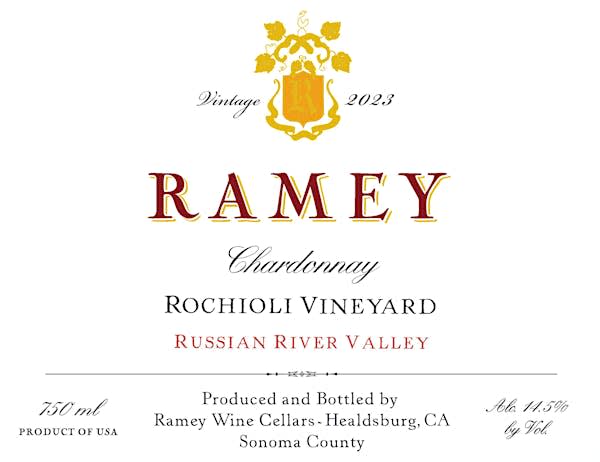
For pairing with succulent beef, I recommend opting for a full-bodied Chardonnay. Its buttery notes complement the richness of the meat, while the acidity helps to cut through the fat. A lightly oaked version can enhance this pairing by adding depth without overpowering the dish.
Alternatively, consider a Viognier. This varietal offers floral aromas and stone fruit flavors that can provide an interesting contrast to the savory aspects of the main course, balancing and enhancing the overall dining experience.
Sauvignon Blanc is another excellent choice. Its crispness and herbal undertones can provide a refreshing counterpoint to the hearty flavors, especially if the beef is seasoned with herbs or accompanied by a herbaceous sauce.
| Varietal | Flavor Profile | Pairing Notes |
|---|---|---|
| Chardonnay | Buttery, rich, with hints of oak | Balances fat, enhances richness |
| Viognier | Floral, stone fruits, aromatic | Contrasts savory flavors |
| Sauvignon Blanc | Crisp, herbal, citrus | Refreshes palate, complements herbs |
Choosing the right varietals can elevate both the meal and the overall experience. Each option offers distinct characteristics that can enhance the flavors of the beef while providing a refreshing balance.
Serving Temperature and Its Impact on Pairing
The ideal serving temperature for chilled beverages can significantly enhance the dining experience. For lighter varietals, a temperature range of 45°F to 50°F (7°C to 10°C) is recommended. This coolness allows for the crisp acidity and subtle fruit notes to shine while maintaining freshness.
In contrast, fuller-bodied choices benefit from slightly warmer conditions, ideally between 50°F and 55°F (10°C to 13°C). This warmer environment helps to express the complexity and depth of flavors, making the tasting experience richer and more nuanced.
Temperature Guidelines
By serving at the right temperature, you can alter how flavors are perceived. For instance, serving a Chardonnay too cold can mask its buttery notes and oak characteristics. Conversely, if served too warm, it may come off as overly alcoholic and flat.
Practical Tips
Utilize a wine thermometer for precision, and remember to chill in a refrigerator for a few hours or in an ice bath for about 20 minutes. For warming, a gentle approach is advisable; simply hold the glass in your hand to raise the temperature gradually. This method allows for a gradual release of aromas, enhancing the overall experience.
In summary, adjusting the serving temperature can significantly influence the flavor profile and overall enjoyment of your chosen beverage, making it a crucial aspect of successful pairing.
Common Food Pairing Mistakes with Roast Beef
A frequent error is selecting overly sweet or fruity options. These flavors can clash with the savory nature of the meat, overshadowing its richness. Instead, aim for dry varieties that complement the umami notes.
Another common misstep involves ignoring acidity levels. A lack of acidity can lead to a flat pairing. Opt for those that possess a refreshing acidity to balance the dish, enhancing both the beverage and the entrée.
Overlooking body is also a mistake. Light-bodied selections may not stand up to the robust flavors present in the dish. Choose those with more weight, providing a harmonious match that can stand toe-to-toe with the meat.
Serving temperature often gets neglected. A chilled option may mask the complexities of the beverage, while one that’s too warm can amplify undesirable characteristics. Finding the sweet spot around 45-55°F is key for optimal enjoyment.
Lastly, failing to consider side dishes can lead to mismatched pairings. Ingredients like gravies or sauces can alter the flavor profile significantly. Always take these accompaniments into account to ensure a cohesive dining experience.