Chuck Furuya
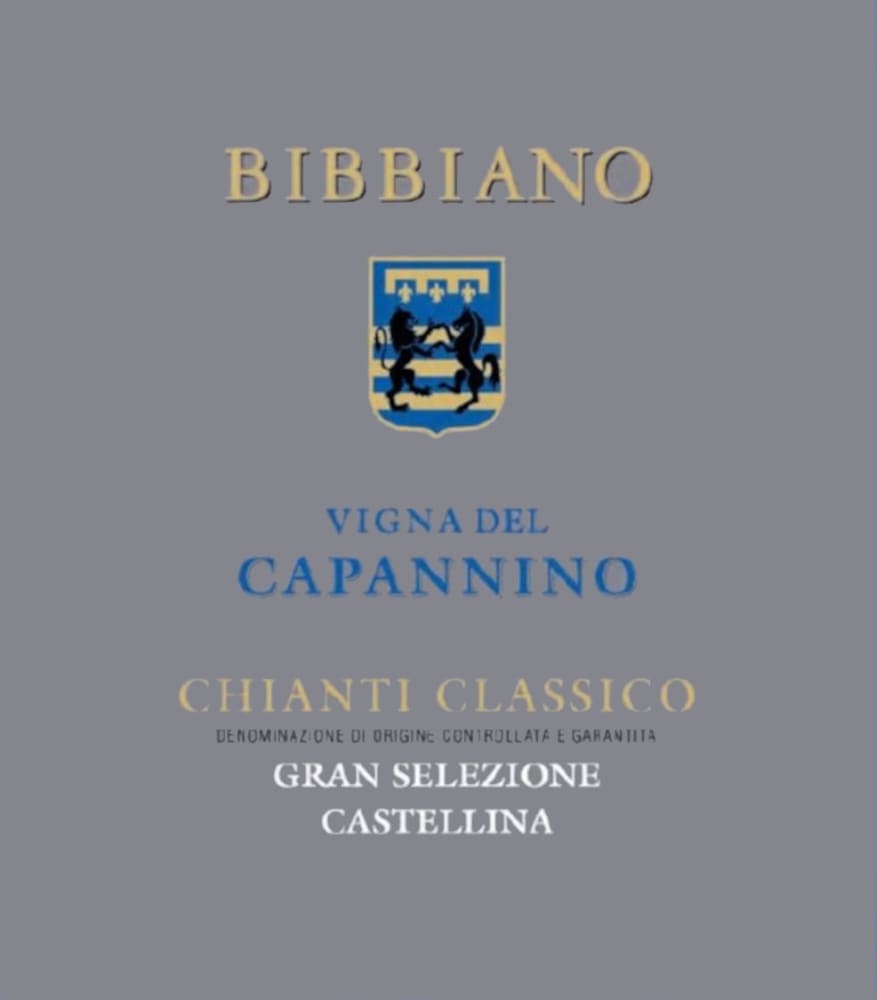

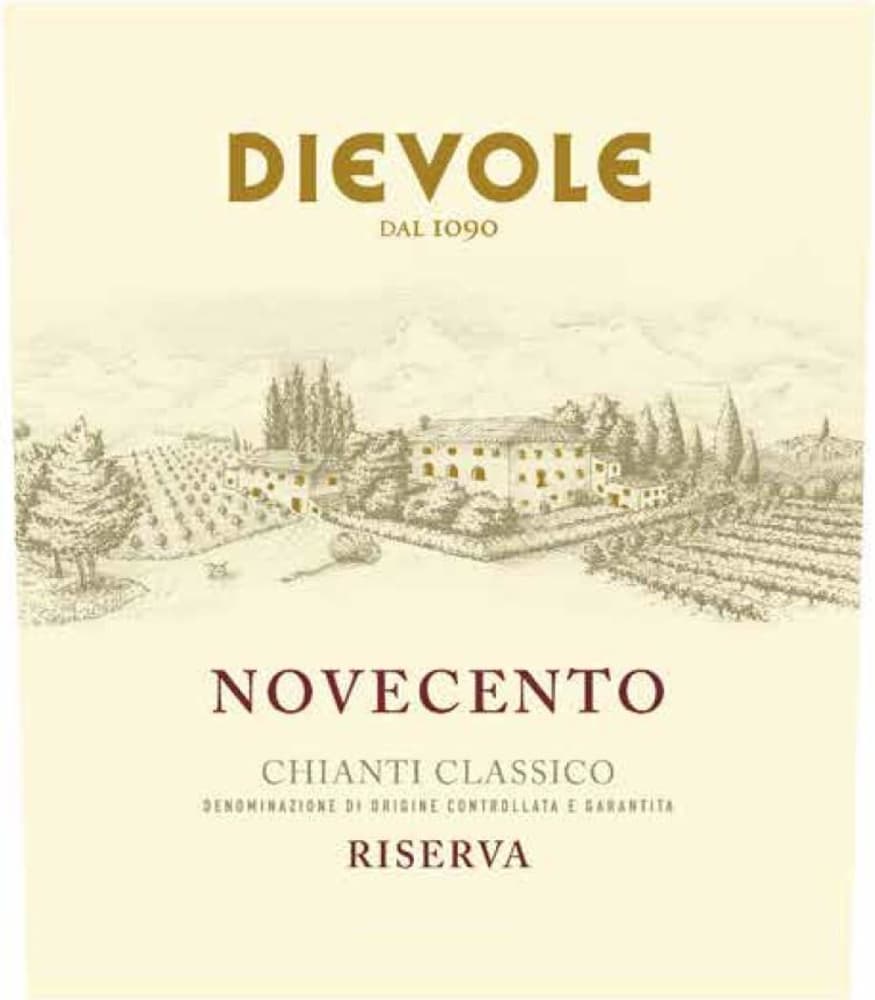

Choosing Chianti is a classic choice for pairing with tomato-based sauces, such as those found in marinara or Bolognese. Its high acidity complements the tanginess of tomatoes, enhancing the overall flavor profile of the dish.
If you’re enjoying a rich dish like osso buco, consider a Barolo. This wine, with its robust tannins and complex aromas, can stand up to the hearty flavors of the meat and the savory notes of the gremolata.
For a lighter option, a Pinot Noir can beautifully accompany dishes like mushroom risotto or pasta primavera. The wine’s fruit-forward nature and soft tannins allow the delicate flavors of the ingredients to shine through without overpowering them.
When indulging in grilled meats or rich cheeses, a Super Tuscan is an excellent match. Its blend of Sangiovese and other varietals brings depth and structure that pairs seamlessly with these bold flavors.
Finally, for pizza topped with spicy sausage or pepperoni, a Nero d’Avola can enhance the spiciness while balancing the richness of the cheese. Its dark fruit flavors and smooth finish make it an ideal companion.
Pairing Recommendations
For a classic Margherita pizza, a Chianti Classico complements the tomato and mozzarella beautifully, enhancing the dish’s flavors. When enjoying a hearty Bolognese, a full-bodied Barolo stands out, thanks to its rich tannins and complex profile. If you’re savoring a spicy Arrabbiata, consider a Primitivo, which balances the heat with its fruit-forward notes.
Regional Suggestions
Each region offers unique pairings. From Tuscany, I recommend a Brunello di Montalcino for risottos, as its acidity cuts through the creaminess. For dishes from the south, like Caponata, a Nero d’Avola provides a delightful contrast.
Tips for Selection
When choosing, focus on the dish’s sauce. Tomato-based sauces generally pair well with wines high in acidity, while cream-based sauces may benefit from smoother, softer varietals. Don’t shy away from experimenting; the right combination can elevate your dining experience significantly.
Pairing Chianti with Tomato-Based Dishes
For a truly delightful experience, I recommend pairing Chianti with classic tomato-based options like spaghetti marinara or pizza Margherita. The wine’s bright acidity complements the natural tang of tomatoes, enhancing the dish’s flavors.
When selecting a Chianti, look for one labeled Chianti Classico. These tend to offer a more robust profile with notes of cherry and earthy undertones, making them perfect companions for rich tomato sauces. The tannins present in the wine also help cut through the acidity of the tomatoes, creating a balanced palate.
I find that serving Chianti slightly chilled, around 60-65°F (15-18°C), accentuates its refreshing qualities, especially during warmer months. This temperature allows the fruit flavors to shine while maintaining its structured finish.
To elevate the pairing, consider adding herbs like basil or oregano to your dish. The herbal notes in the wine will resonate beautifully with these ingredients, creating a harmonious experience. Additionally, a sprinkle of parmesan cheese on top of your meal will enhance the umami aspect, further enriching your tasting experience.
Experimenting with different styles of Chianti can lead to exciting discoveries. I enjoy trying both younger vintages, which often showcase fruit-forward characteristics, and more aged bottles that exhibit complex, earthy flavors. Each sip offers a unique perspective on how well this wine marries with tomato-centric cuisine.
Exploring Barolo for Rich Meat Sauces
Barolo, crafted from the Nebbiolo grape, stands out as a prime companion for hearty meat sauces. The wine’s robust structure and tannins perfectly complement the richness of slow-cooked meats, enhancing the overall dining experience.
Ideal Pairings
- Osso Buco: The depth of flavors in this veal shank dish marries harmoniously with the tannic profile of Barolo.
- Ragu alla Bolognese: The acidity in Barolo balances the fat in the sauce, creating a delightful contrast.
- Beef Braised in Barolo: Serving this dish alongside the same wine amplifies the flavors and creates a cohesive experience.
Tasting Notes
The wine typically exhibits notes of cherry, rose, and truffle, which enhance the savory elements of meat preparations. The aging process in oak barrels adds complexity, contributing hints of spice and earthiness.
When serving Barolo, consider decanting it for at least an hour to allow the flavors to open up fully. The wine’s bold characteristics make it a standout choice for those seeking an elevated pairing with rich meat-based dishes.
Choosing Pinot Noir for Mushroom Risotto
For mushroom risotto, I highly recommend selecting a Pinot Noir. This varietal offers a delicate balance of acidity and fruitiness that complements the earthy flavors of mushrooms beautifully. The light to medium body of Pinot Noir ensures it won’t overpower the dish, allowing the creamy texture of the risotto to shine through.
When selecting a bottle, consider a Pinot Noir from Oregon or Burgundy. Oregon wines often present notes of cherry and raspberry, with a hint of earthiness that pairs seamlessly with the umami of mushrooms. Burgundy, on the other hand, delivers a more complex profile with layers of red fruit and subtle spice, enhancing the dish’s depth.
Serving temperature is also key. Aim for slightly cooler than room temperature, around 55°F (13°C), to best express the wine’s aromas. This temperature can elevate the tasting experience, making each sip a delightful complement to your risotto.
Pairing this choice with a sprinkle of Parmigiano-Reggiano on top of the risotto further enhances the combination, as the cheese’s nuttiness works harmoniously with the wine’s profile. Overall, a glass of Pinot Noir elevates mushroom risotto to a new level of culinary enjoyment.
Using Nero d’Avola with Grilled Vegetables
This Sicilian varietal complements grilled vegetables beautifully, enhancing their natural flavors. The bold fruitiness of Nero d’Avola, with its ripe berry notes and hints of spice, pairs seamlessly with the charred, smoky profiles of vegetables.
Best Vegetable Choices
- Eggplant: The creamy texture and rich flavor enhance the wine’s depth.
- Zucchini: The subtle sweetness balances Nero d’Avola’s acidity.
- Bell Peppers: Their sweetness and smokiness harmonize with the wine’s fruitiness.
- Mushrooms: Earthy notes in mushrooms complement the wine’s complexity.
- Asparagus: The slight bitterness matches the wine’s tannins perfectly.
Preparation Tips
- Grill vegetables until tender and slightly charred for the best flavor.
- Marinate with olive oil, garlic, and herbs to enhance taste before grilling.
- Serve warm to maximize the pairing experience.
This combination creates a delightful dining experience, where the richness of the varietal and the freshness of the vegetables come together, making each bite and sip a memorable moment.
Complementing Lasagna with Montepulciano
Pairing lasagna with Montepulciano creates a delightful balance, enhancing the rich flavors of this classic dish. The wine’s robust character complements the layers of meat, cheese, and sauce beautifully.
Montepulciano offers deep fruit notes, often featuring plum and cherry, along with a hint of earthiness. This profile harmonizes with the savory elements of lasagna, making each bite more enjoyable. The acidity in this red enhances the tomato sauce, cutting through the richness of the cheese and meat.
| Characteristics of Montepulciano | How It Pairs with Lasagna |
|---|---|
| Rich, dark fruit flavors | Enhances the meatiness of the dish |
| Medium to high acidity | Balances the richness of cheese |
| Earthy undertones | Complements herbs and spices used |
When serving, consider slightly chilling the Montepulciano, as this can accentuate its refreshing qualities. A glass at around 60-65°F works best to showcase its complexity alongside lasagna.
In summary, this combination elevates the dining experience, allowing the flavors of both the dish and the Montepulciano to shine. Enjoy the interplay of taste and aroma that emerges from this pairing.