Chuck Furuya
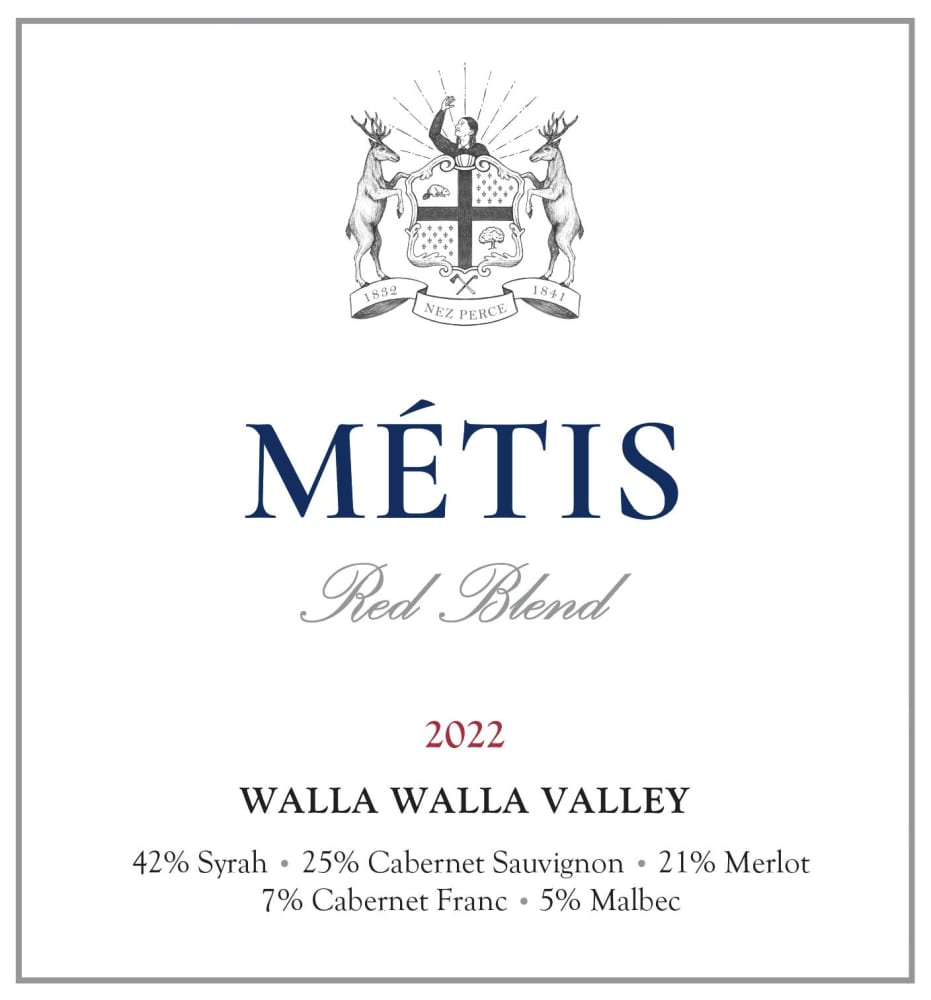
For an optimal match, I recommend a robust Cabernet Sauvignon. Its bold tannins and rich fruit flavors complement the savory notes of grilled beef beautifully. Look for a bottle from regions like Napa Valley or Bordeaux, where the grapes achieve a perfect balance of acidity and structure.
When choosing a vintage, consider a Cabernet aged for at least five years. This aging process softens the tannins, enhancing its ability to harmonize with the meat’s richness. A selection like a 2016 Napa Cabernet can provide deep blackberry and plum notes, while hints of oak add complexity to the overall experience.
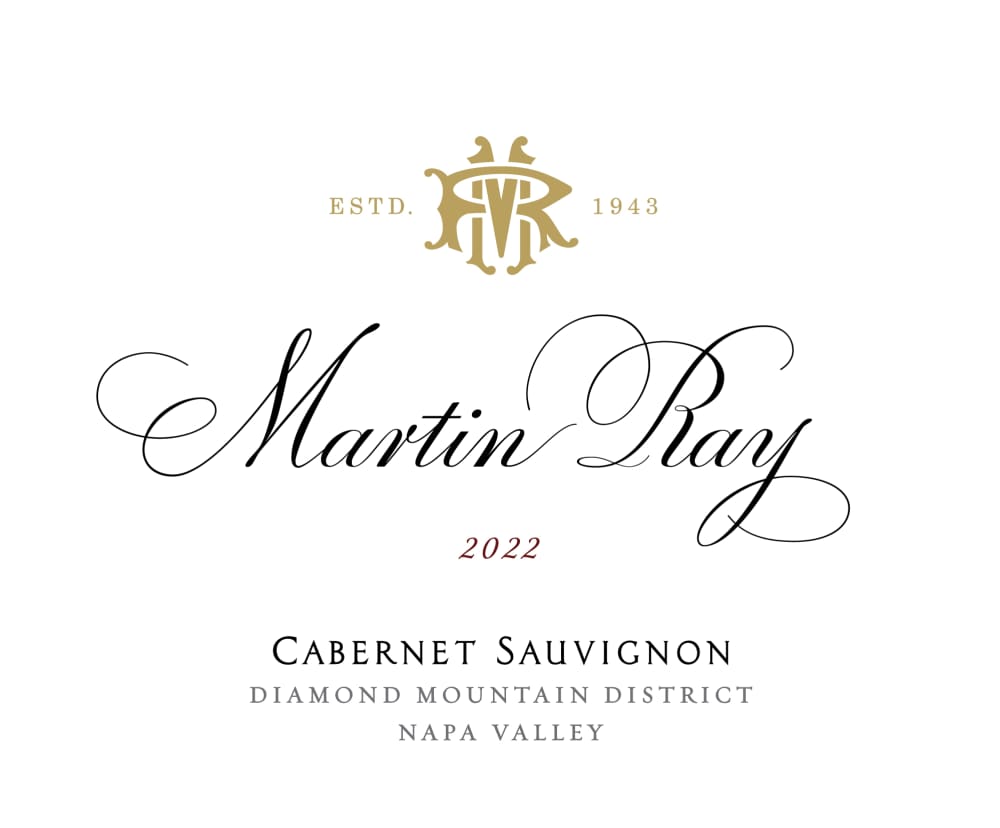
Serving temperature plays a crucial role. I find that slightly chilling the Cabernet, around 60-65°F, allows its flavors to open up, making each sip an experience that elevates the meal. Pairing this bold beverage with a well-seasoned cut, such as ribeye or filet mignon, creates a memorable dining occasion that satisfies the palate.
Choosing the Right Pairing for Different Cuts of Steak
For tenderloin, I prefer a full-bodied Cabernet Sauvignon. The wine’s rich tannins complement the buttery texture, enhancing the overall experience.
Ribeye
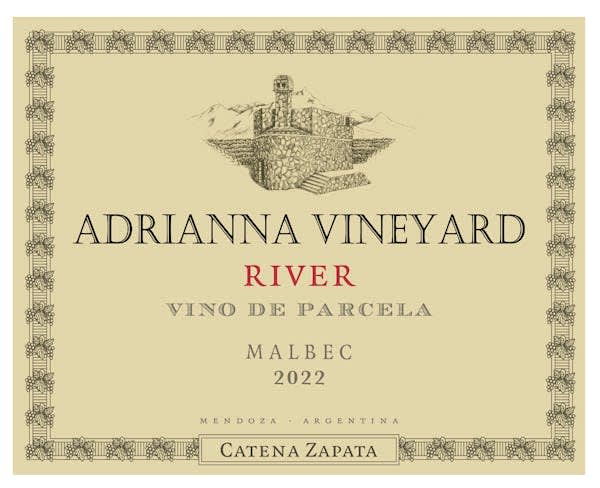
When enjoying ribeye, a Malbec stands out. Its dark fruit flavors and smooth finish balance the marbled fat, creating a harmonious palate.
T-bone
A bold Zinfandel works beautifully with T-bone cuts. The wine’s fruity notes and peppery finish contrast well with the robust flavors of the meat.
For sirloin, I go for a Syrah. Its peppery undertones and dark berry characteristics elevate the savory elements of the cut.
In the case of flank steak, a Grenache is my choice. The wine’s acidity matches the cut’s richness, providing a refreshing contrast.
Ultimately, the key is to consider the cut’s flavor profile and fat content. The right selection will enhance the dining experience, making each bite memorable.
Flavor Profiles: Matching Wine and Steak Seasonings
For an optimal pairing, consider the seasonings used on the meat. Each herb and spice can complement or contrast with the characteristics of the chosen beverage, enhancing the overall dining experience.
Herb and Spice Pairings
- Black Pepper: A classic seasoning for grilled cuts. Look for a Cabernet Sauvignon or Malbec, which offer bold tannins that harmonize well with the pepper’s heat.
- Garlic: For those who favor garlic marinades, a Syrah or Zinfandel provides a rich, fruity profile that balances the pungency of garlic.
- Rosemary: This aromatic herb pairs beautifully with a Merlot, as its soft tannins and fruity notes enhance the herb’s fragrance.
- Smoky Seasonings: If the meat is seasoned with smoked paprika or chipotle, opt for a rich Tempranillo, which can match the intensity and complexity of the flavors.
Complementing Sauces
When accompanying sauces are in play, they should guide your choice:
- Barbecue Sauce: A fruity Shiraz or Grenache can elevate the sweet and tangy notes, creating a harmonious blend.
- Mushroom Sauce: Earthy flavors call for a Pinot Noir, whose acidity complements the umami of mushrooms.
- Chimichurri: The herbal and acidic profile pairs well with a Malbec or a fresh Bonarda.
Understanding the interaction between seasonings and the characteristics of various beverages can significantly enhance the steak experience. Tailoring selections based on flavor profiles leads to a more satisfying and memorable meal.
Serving Temperature and Decanting Tips for Red Wines
The ideal temperature for serving these beverages typically ranges from 60°F to 65°F (15°C to 18°C). This range highlights the complexity of flavors and aromas, enhancing the overall experience. For optimal enjoyment, I recommend placing the bottle in the refrigerator for about 30 minutes prior to serving if it’s too warm, or letting it sit at room temperature for a similar duration if it’s too cold.
Decanting Recommendations
Decanting can significantly improve the taste of these beverages. It allows for aeration, softening tannins and releasing aromatic compounds. Generally, I suggest decanting full-bodied varieties for 30 minutes to an hour before serving. If you’re dealing with an older bottle, a gentle decanting is preferable, allowing sediment to settle while minimizing exposure to oxygen.
| Wine Type | Serving Temperature (°F) | Decanting Time |
|---|---|---|
| Full-bodied | 60-65 | 30-60 minutes |
| Medium-bodied | 58-62 | 15-30 minutes |
| Light-bodied | 55-60 | No decanting needed |
Always taste before serving; personal preference plays a significant role in how these beverages are enjoyed. Adjusting temperature or decanting time according to taste can elevate the overall pairing experience.