Chuck Furuya

For the best experience, I recommend keeping your chilled selections at a temperature range of 45°F to 50°F (7°C to 10°C). This range allows the delicate flavors and aromas to develop fully, ensuring that each sip is refreshing and enjoyable.
In practice, maintaining this temperature requires a reliable cooling unit specifically designed for these beverages. A dedicated appliance will help avoid fluctuations that can occur in standard refrigerators, which typically operate at colder temperatures. This consistency is crucial for preserving the integrity of the wines.
When serving, consider allowing a few minutes for the bottles to adjust slightly to room temperature if they have been stored longer. This can enhance the tasting experience, allowing the nuanced profiles of each variety to shine. Always remember to check the temperature settings regularly to ensure optimal storage conditions.
Optimal Temperature for Chilling White Varietals
Set the cooling unit between 45°F and 50°F (7°C to 10°C) to achieve the best results for serving chilled varieties. This range enhances the aromatic qualities and preserves the fresh flavors.
Consider the following specific points:
- Light-bodied options, like Sauvignon Blanc, perform well at the lower end of this scale.
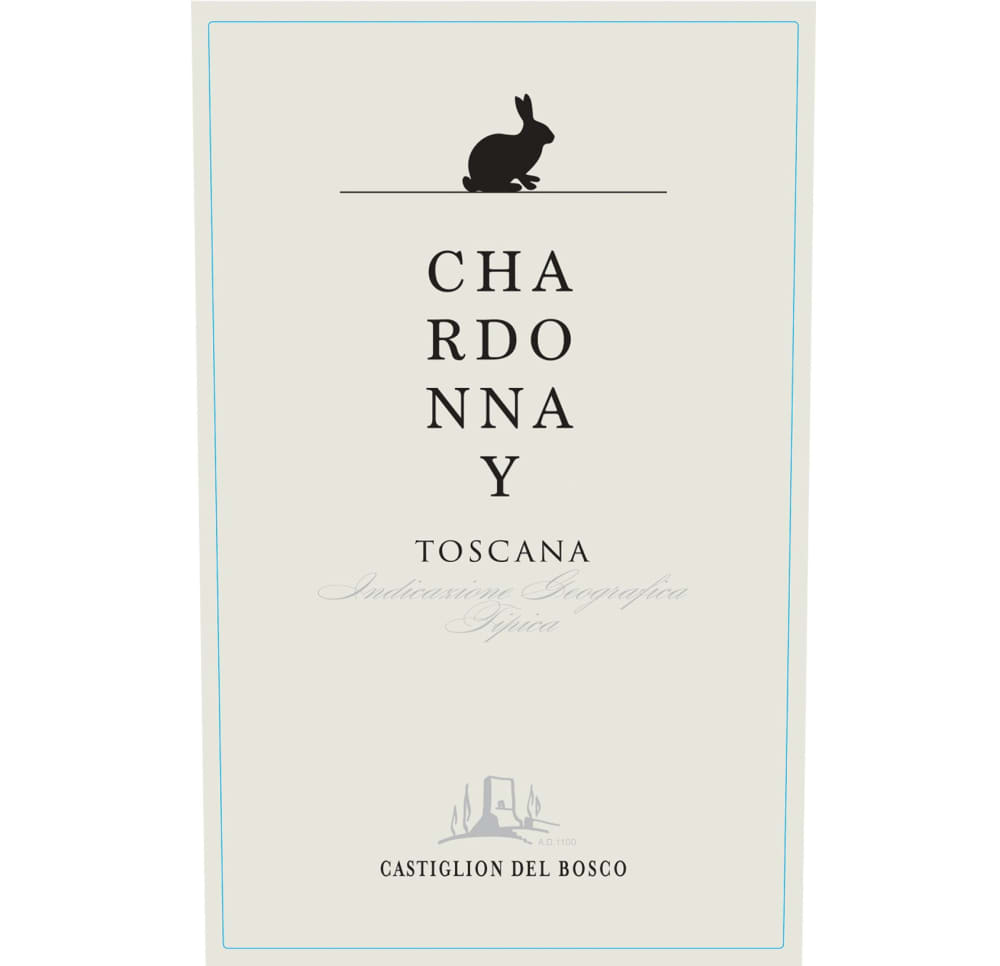
- Full-bodied choices, such as Chardonnay, may benefit from slightly warmer settings closer to 50°F (10°C).
Ensure consistent temperatures for optimal taste. Fluctuations can diminish the quality and alter the intended flavors.
Regularly check the thermometer inside the storage unit to maintain accuracy. A digital thermometer can provide precise readings.
Allow the bottles to chill for at least two hours before serving to ensure they reach the ideal serving temperature.
By following these guidelines, each glass will deliver the intended experience, highlighting the unique characteristics of your selected varietals.
Optimal Temperature Range for Storing White Wine
I recommend maintaining a storage temperature between 45°F and 65°F (7°C to 18°C) for optimal preservation of chilled beverages. The ideal range varies depending on the specific type of drink. For delicate varieties, such as Sauvignon Blanc or Pinot Grigio, aim for the lower end of the scale, around 45°F to 50°F (7°C to 10°C). Richer selections like Chardonnay can be stored slightly warmer, around 50°F to 55°F (10°C to 13°C).
Impact of Temperature on Flavor
Temperature influences the aromatic profile and taste experience. Cooler temperatures tend to enhance acidity and freshness, while warmer temperatures can bring out more complex flavors and aromas. It’s crucial to avoid serving at excessively low temperatures, as this can mute the flavors, making the drink less enjoyable.
Table of Recommended Temperatures by Type
| Type | Recommended Temperature (°F) | Recommended Temperature (°C) |
|---|---|---|
| Sauvignon Blanc | 45-50 | 7-10 |
| Pinot Grigio | 45-50 | 7-10 |
| Chardonnay | 50-55 | 10-13 |
| Riesling | 45-50 | 7-10 |
| Viognier | 50-55 | 10-13 |
Adhering to these temperature guidelines will significantly enhance your tasting experience and maintain the integrity of the beverages over time.
Impact of Temperature on Flavor and Aroma
Serving chilled beverages at precise temperatures significantly enhances their flavors and aromas. For optimal enjoyment, I recommend keeping these drinks between 45°F and 55°F (7°C to 13°C). Within this range, different varieties exhibit their best characteristics. For example, a Sauvignon Blanc shines at around 45°F (7°C), while a fuller-bodied Chardonnay is best appreciated near 50°F (10°C).
Aroma Concentration
Chilling affects the volatility of aromatic compounds. Lower temperatures reduce the release of esters and terpenes, which contribute to the bouquet. At ideal levels, I notice distinct scents, such as citrus or floral notes, becoming more pronounced, creating a more inviting experience. If served too cold, these delightful aromas can become muted, leading to an unbalanced tasting experience.
Flavor Profile
The perception of acidity and sweetness is also temperature-dependent. Cooler servings enhance crispness, making beverages taste more refreshing and vibrant. However, if the temperature drops below the recommended range, I find that flavors can become overly subdued, resulting in a lack of complexity. A balanced warmth allows for a fuller expression of flavors, revealing layers of richness and depth.
In summary, maintaining the right temperature is key to unlocking the full sensory potential of these beverages. I prioritize this aspect to enhance the overall tasting experience, ensuring that every sip is enjoyable and memorable.