Chuck Furuya
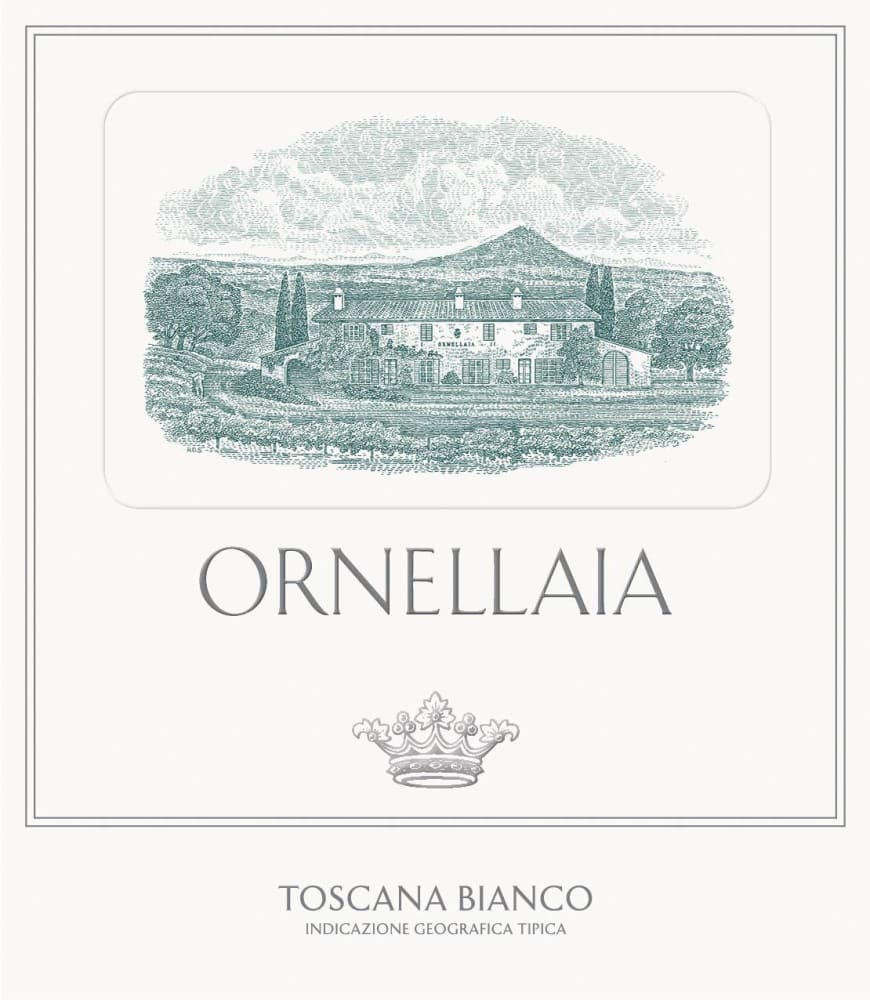
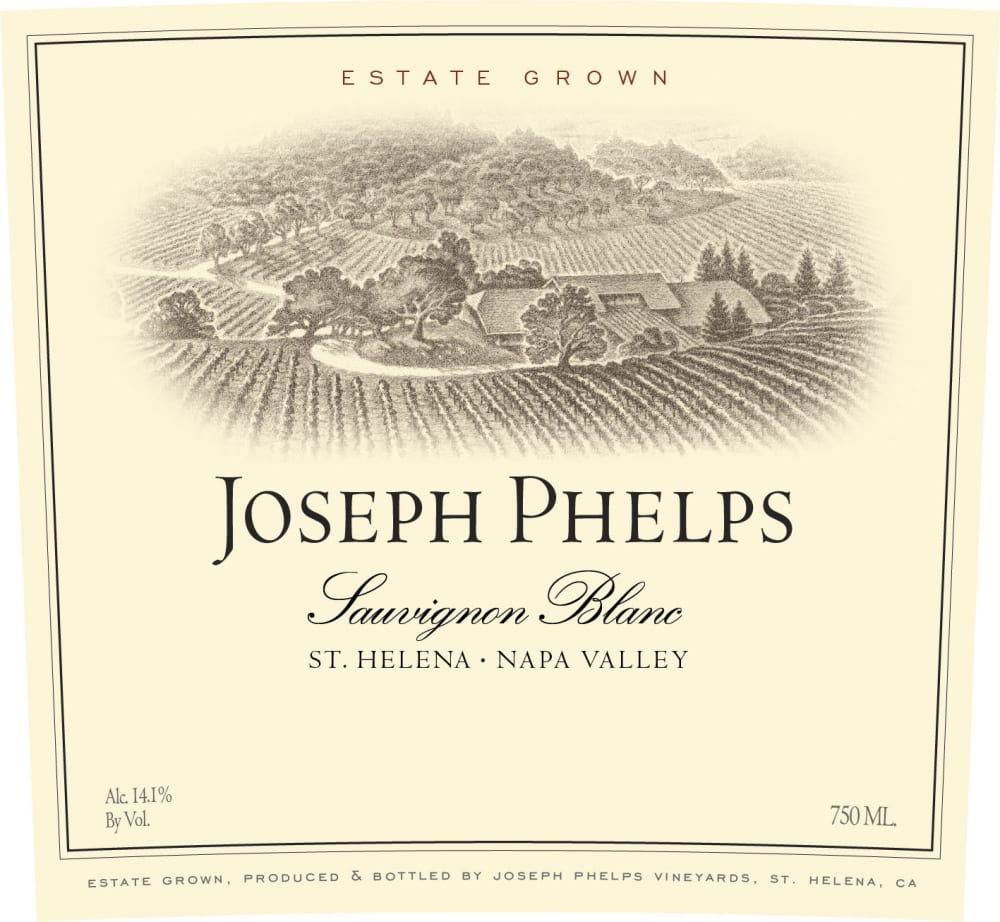
For anyone exploring the realm of Bordeaux’s pale varietals, Sauvignon Blanc stands out as a primary grape variety. This grape lends a crisp acidity and vibrant citrus notes, making it a favorite among enthusiasts. Combining it with Sémillon enriches the profile, introducing layers of stone fruit and honeyed nuances, which elevate the overall tasting experience.
In many blends, Muscadelle also plays a role, albeit less prominent. This variety contributes floral aromatics and subtle sweetness, harmonizing beautifully with the more dominant grapes. It’s essential to consider how these varietals interact to create the distinctive character that Bordeaux’s pale offerings are renowned for.
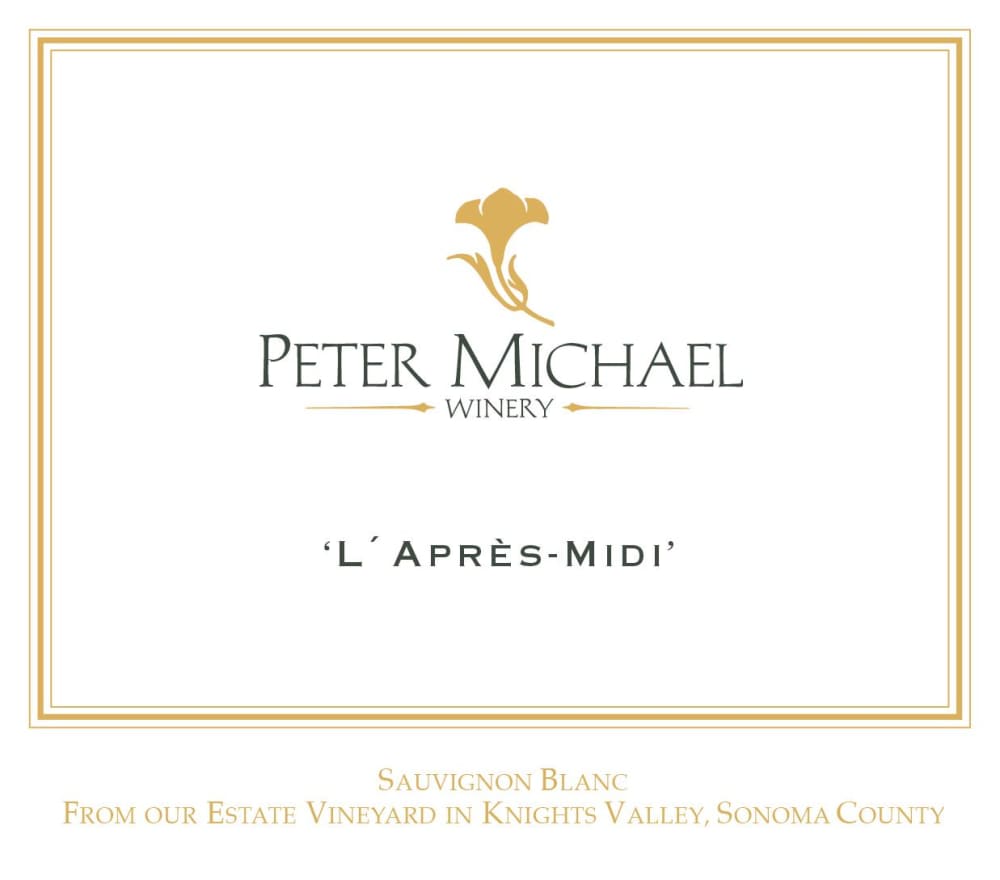
When selecting a bottle, pay attention to the vintage as well. Bordeaux experiences significant variations in climate, which can influence the flavor and structure of these varietals. Understanding these elements will enhance your appreciation of what Bordeaux has to offer.
Recommendations for Grapes in Bordeaux’s Light Varietals
I recommend focusing on three primary grape varietals for crafting exceptional light beverages in this renowned region. Sauvignon Blanc stands out with its bright acidity and aromatic profile, often featuring notes of citrus and green apple. This grape thrives in the region’s climate, delivering vibrant and refreshing flavors.
Semillon complements Sauvignon Blanc beautifully, adding richness and depth. This varietal introduces honeyed and waxy characteristics, enhancing the overall complexity of the blend. When aged in oak, it can develop additional layers of flavor, including vanilla and spice.
Muscadelle plays a supportive role, contributing tropical fruit notes and floral aromas. Its inclusion in blends adds a unique dimension and balances the acidity of Sauvignon Blanc and the richness of Semillon.
For optimal results, I suggest experimenting with different blending ratios and aging techniques. This practice allows for the creation of distinct profiles that reflect personal tastes while honoring the traditions of this prestigious area.
Key Grape Varieties in Bordeaux White Wines
For exceptional flavors and aromas in Bordeaux’s lighter varietals, focus on these key grapes:
- Sauvignon Blanc: Renowned for its crisp acidity and notes of citrus, green apple, and occasionally herbaceous qualities. This grape shines in cooler vintages.
- Semillon: Offers a rich texture and flavors of stone fruits, honey, and wax. It is often blended with Sauvignon Blanc to enhance complexity and aging potential.
- Muscadelle: Adds floral and fruity nuances, contributing to the aromatic profile of blends. Its presence is less dominant but valuable for depth.
For novices or enthusiasts, I recommend sampling blends featuring these varieties. The combination of Sauvignon Blanc and Semillon is particularly noteworthy, yielding balanced and nuanced profiles. Seek out producers who emphasize traditional methods to appreciate the true essence of these grapes.
Consider exploring different appellations within this region to experience the diversity of expressions each variety can offer. The terroir significantly influences the characteristics, making each bottle a unique exploration.
Role of Sauvignon Blanc in Bordeaux Blends
Sauvignon Blanc is a key component in many blends from this region, delivering distinctive characteristics that enhance overall quality. Known for its high acidity and aromatic profile, this variety brings forth notes of citrus, green apple, and sometimes herbaceous elements. Its crispness balances the richness of other grapes, particularly Sémillon, which often adds depth and texture to the blend.
Aromatic Contributions
This grape variety contributes vibrant aromas that are crucial for creating appealing and refreshing notes in the final product. It often showcases grassy, floral, and tropical fruit nuances, making it a favorite among winemakers aiming for complexity and liveliness. The freshness of Sauvignon Blanc can also temper the weightiness of oak aging, providing a harmonious profile.
Influence on Aging Potential
Coupled with its acidity, Sauvignon Blanc enhances the aging potential of blends, allowing them to develop nuanced flavors over time. While many enjoy these blends young, the presence of this grape allows for a graceful evolution, resulting in layered profiles that can attract both casual drinkers and connoisseurs. I recommend seeking out examples that showcase the balance of Sauvignon Blanc and Sémillon, as they often highlight the best qualities of both varieties.
Importance of Sémillon in White Wine Production
Sémillon plays a pivotal role in crafting exceptional wines, particularly in regions renowned for their quality. This grape variety brings a unique profile that enhances blends, especially alongside Sauvignon Blanc. Its low acidity and rich, waxy texture contribute to a fuller mouthfeel, making it a favorite among winemakers.
Characteristics of Sémillon
This grape is known for its ability to mature gracefully, often developing complex flavors of honey, apricot, and citrus over time. The characteristic botrytis influence in late-harvest versions results in luscious dessert wines, showcasing the versatility of Sémillon. Its capacity to age well allows for the development of tertiary notes, adding depth and complexity to the final product.
Role in Blends
In blends, Sémillon balances the high acidity and herbaceousness of Sauvignon Blanc, providing a harmonious interaction between the two. This integration enhances aromatic complexity and palate richness, resulting in wines that are both refreshing and sophisticated.
| Flavor Profile | Aging Potential | Typical Aromas |
|---|---|---|
| Honey, Apricot, Citrus | 5-20 years | Floral, Stone Fruit, Nutty |
In summary, Sémillon is indispensable in creating balanced and complex blends, offering a rich texture and a unique flavor profile that enhances the overall quality of the final product. Its inclusion in winemaking processes cannot be overlooked when aiming for excellence in this category.
Understanding the Influence of Muscadelle
Muscadelle contributes unique aromatic qualities to blends, enhancing complexity. Known for its floral and fruity notes, this varietal often finds its place alongside Sauvignon Blanc and Sémillon.
Characteristics of Muscadelle include:
- Aromas of orange blossom, honey, and tropical fruits.
- Medium acidity, balancing the crispness of other grapes.
- Ability to add richness and depth to the final product.
When included in blends, Muscadelle can:
- Elevate the aromatic profile, making the wine more appealing.
- Provide a luscious mouthfeel, enhancing overall texture.
- Offer aging potential, developing more complex flavors over time.
For those exploring Muscadelle, I recommend seeking out wines that showcase this grape’s character. Look for bottles labeled as blends where Muscadelle plays a prominent role, particularly in regions renowned for their skillful use of varietals.
Terroir and Its Impact on Bordeaux White Wines
Understanding terroir is crucial for appreciating the characteristics of Bordeaux’s white varietals. Terroir encompasses soil composition, climate, and topography that influence grape growing. Each of these elements contributes distinct flavors and aromas to the final product.
Soil Types and Their Influence
In Bordeaux, diverse soil types like clay, limestone, and gravel play a pivotal role. Clay retains moisture, benefiting vines during hot summers, while limestone provides excellent drainage and imparts minerality to wines. Gravel, often found in regions like Graves, reflects heat, promoting ripening and enhancing fruit expression.
Climate Considerations
Climate influences acidity levels and sugar development in grapes. Bordeaux’s maritime climate, with its mild winters and warm summers, creates ideal conditions for growing varietals such as Sauvignon Blanc and Sémillon. The proximity to the Atlantic Ocean moderates temperature fluctuations, allowing for balanced ripeness.
Vineyards located on slopes benefit from better sun exposure, ensuring even ripening. The microclimates created by rivers and hills can lead to unique flavor profiles, reflecting the specific terroir of each vineyard site.
In summary, terroir is a fundamental aspect of Bordeaux’s white varietals, shaping their unique characteristics through soil types and climatic conditions. Understanding these factors enhances appreciation for the nuances found in each bottle.
FAQ:
What grape varieties are commonly used in Bordeaux white wines?
Bordeaux white wines primarily utilize three grape varieties: Sauvignon Blanc, Sémillon, and Muscadelle. Sauvignon Blanc contributes crisp acidity and aromatic qualities, often showcasing citrus and green fruit flavors. Sémillon adds richness and complexity, frequently bringing honeyed notes and a smooth mouthfeel. Muscadelle, though less common, offers floral and fruity characteristics that complement the blend.
How does the terroir of Bordeaux influence the white wines produced there?
The terroir of Bordeaux, which encompasses the soil, climate, and topography, plays a significant role in shaping the character of its white wines. The region’s diverse soils, from gravel to clay to limestone, affect the drainage and nutrient availability for the vines. The temperate maritime climate allows for a long growing season, helping grapes achieve optimal ripeness while maintaining acidity. This combination results in white wines that are well-balanced and expressive of their origins.
What are the typical flavor profiles of Bordeaux white wines?
Bordeaux white wines exhibit a range of flavor profiles, largely influenced by the grape varieties used and the winemaking techniques applied. Sauvignon Blanc often imparts flavors of lime, green apple, and herbal notes, while Sémillon can bring forth flavors of peach, apricot, and subtle honey. Many Bordeaux whites also display a hint of oak if aged in barrels, contributing flavors such as vanilla and toast. The overall profile is generally fresh, aromatic, and complex, making these wines suitable for various occasions.
Are there any notable Bordeaux white wine producers to look out for?
Several producers in Bordeaux are recognized for their exceptional white wines. Château Haut-Brion is renowned for its prestigious white, which combines elegance with complexity. Château Carbonnieux and Château Pape Clément also produce highly regarded whites that showcase the region’s potential. Additionally, Domaine de Chevalier and Château Smith Haut Lafitte are celebrated for their quality and craftsmanship, often receiving high praise from critics and enthusiasts alike.
What food pairings are recommended for Bordeaux white wines?
Bordeaux white wines are versatile when it comes to food pairings. Their acidity and flavor profiles make them excellent companions for a variety of dishes. For instance, Sauvignon Blanc pairs wonderfully with seafood, such as oysters or grilled fish, due to its crispness. Sémillon, with its richer texture, complements creamy dishes like risotto or chicken in a white wine sauce. Additionally, these wines can enhance salads, goat cheese, and light pasta dishes, making them suitable for both casual and formal dining experiences.
What grape varieties are used in white wines from Bordeaux?
White wines from Bordeaux are primarily made from three grape varieties: Sauvignon Blanc, Sémillon, and Muscadelle. Sauvignon Blanc is known for its crisp acidity and aromatic qualities, often contributing notes of citrus and green fruits. Sémillon, on the other hand, adds richness and body to the blend, with flavors that can range from honeyed to stone fruit. Muscadelle is used in smaller quantities, bringing floral and fruity characteristics to the wine. The combination of these grapes creates a balanced and complex profile typical of Bordeaux whites.
How does the terroir of Bordeaux influence its white wines?
The terroir of Bordeaux plays a significant role in shaping the characteristics of its white wines. The region’s climate, which features a maritime influence, helps to maintain a balance between ripeness and acidity in the grapes. Additionally, the soil composition varies across the region, with gravel, clay, and limestone contributing to the unique profiles of the wines. These factors combined allow for the production of wines that reflect the specific characteristics of their surroundings, resulting in a diverse range of flavors and aromas.
What styles of white wine are produced in Bordeaux?
Bordeaux produces several distinct styles of white wine, mainly categorized into dry and sweet. Dry white Bordeaux wines, often blends of Sauvignon Blanc and Sémillon, showcase bright acidity and fresh fruit flavors, making them ideal for pairing with seafood and salads. On the other hand, sweet white wines, such as those from Sauternes, are made from grapes affected by noble rot, which concentrates the sugars and flavors. These wines are rich and luscious, often enjoyed as dessert wines or with cheese. Each style reflects the unique terroir and grape varieties of the region.
What is the aging potential of white Bordeaux wines?
The aging potential of white Bordeaux wines varies depending on the grape composition and the specific region within Bordeaux. While many dry white Bordeaux wines are best enjoyed young for their freshness, certain high-quality Sémillon-based wines, particularly from Sauternes or Pessac-Léognan, can age beautifully for decades. As these wines mature, they develop complex flavors, including honey, nuts, and dried fruits. Proper storage conditions, such as a cool, dark place, can significantly enhance the aging potential and overall quality of these wines.
How can I pair white Bordeaux wines with food?
Pairing white Bordeaux wines with food can enhance the dining experience. Dry white Bordeaux, with its crisp acidity and herbal notes, pairs well with seafood, grilled chicken, and fresh salads. Dishes like grilled fish, oysters, or a light vegetable quiche complement the wine’s refreshing qualities. For sweet white Bordeaux, such as Sauternes, consider pairing with rich desserts like crème brûlée or blue cheese, as the wine’s sweetness balances the saltiness and richness of the food. Experimenting with different combinations can lead to delightful discoveries.