Chuck Furuya
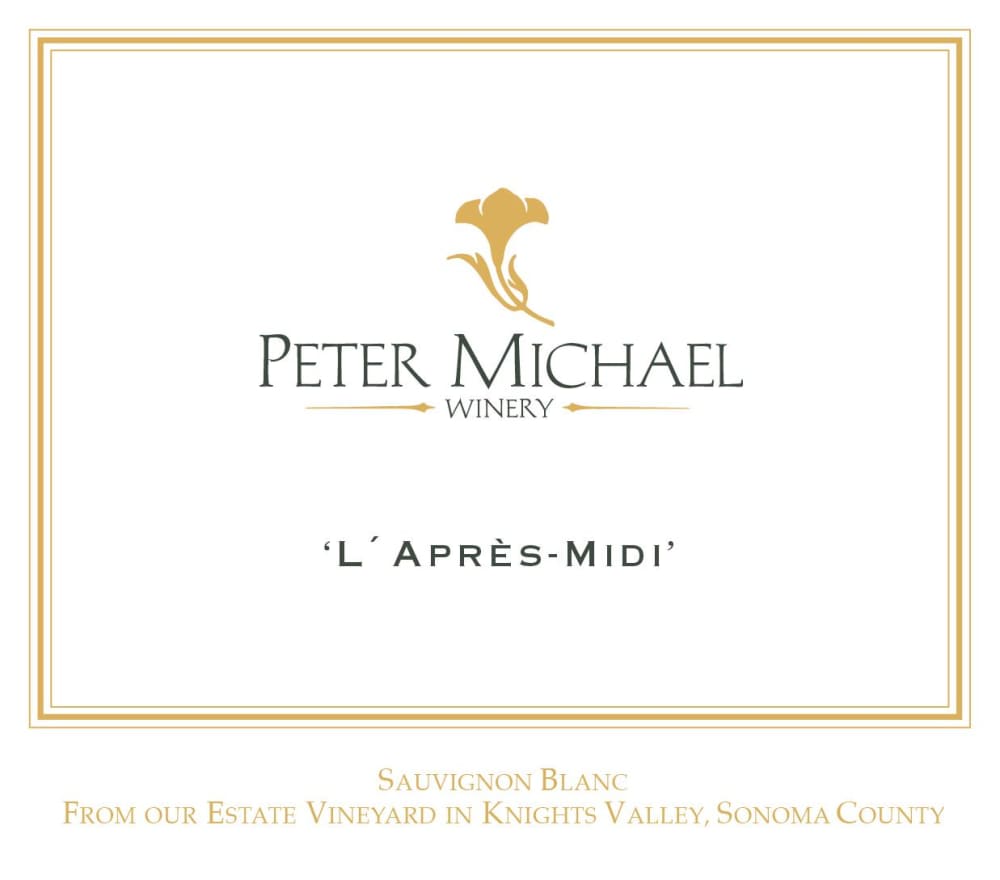
If you’re looking for a refreshing alternative to Pinot Grigio, I highly recommend trying Sauvignon Blanc. This varietal offers a crisp acidity and bright citrus flavors that can easily satisfy those who enjoy the characteristics of Pinot Grigio. Often found in regions like Marlborough in New Zealand, Sauvignon Blanc showcases notes of green apple, lime, and sometimes even a hint of herbal undertones.
Another excellent option is Vermentino. This Italian grape is known for its zesty profile and mineral qualities, making it a delightful substitute. With flavors of pear and citrus, Vermentino brings a similar lightness and refreshing quality, perfect for warm weather or pairing with seafood dishes.
For something slightly richer, consider an Albariño. This Spanish varietal presents a lovely balance of acidity and fruitiness, with hints of peach and apricot. Its aromatic complexity can provide an enjoyable experience for those who appreciate the nuances found in Pinot Grigio.
Recommendation for a Similar Choice to Pinot Grigio
If you enjoy the crispness and acidity of Pinot Grigio, I suggest exploring Verdicchio. This Italian varietal offers a refreshing profile with notes of green apple, lemon, and almond, making it an excellent alternative.
Another great option is Sauvignon Blanc, especially those from regions like New Zealand or California. These wines typically exhibit bright citrus flavors along with herbal undertones, which can be reminiscent of the lighter characteristics found in Pinot Grigio.
- Verdicchio: Light-bodied with a zesty finish and minerality.
- Sauvignon Blanc: Refreshing acidity with a hint of grassiness.
Additionally, consider trying Grüner Veltliner, which brings a peppery spice and stone fruit notes, providing a different yet satisfying experience.
- Grüner Veltliner: Offers a unique flavor profile with a slight spiciness.
In summary, Verdicchio, Sauvignon Blanc, and Grüner Veltliner can effectively satisfy your palate if you’re fond of the lively and crisp qualities found in Pinot Grigio. Each of these selections brings its own character while maintaining a refreshing essence.
Understanding the Flavor Profile of Pinot Grigio
When exploring the taste characteristics of this varietal, I find it crucial to highlight its refreshing acidity and light body. The flavor profile typically features notes of green apple, pear, and citrus fruits, complemented by hints of melon and floral undertones. These elements create a crisp and clean palate that is particularly enjoyable during warm months.
In terms of texture, I often notice a smooth mouthfeel, which enhances its drinkability. This wine, especially when produced in cooler climates, tends to exhibit more pronounced acidity, making it an excellent accompaniment to seafood dishes, salads, and light pasta. I recommend trying it alongside grilled shrimp or a fresh caprese salad to appreciate its balance.
Some versions can present a richer profile, showcasing flavors of stone fruits like peach or apricot, especially if they undergo oak aging. This adds a layer of complexity, which can be a delightful surprise for those who typically favor lighter styles. If you’re looking for a variation, I suggest sampling a well-crafted example from regions like Alsace or Friuli, which often demonstrate this depth while maintaining the varietal’s core essence.
In summary, the distinct characteristics of this varietal make it a versatile choice for various culinary pairings. I encourage you to experiment with different styles to discover the nuances that resonate with your palate.
Exploring Similar Varietals
To find a grape that mirrors the characteristics of a specific variety, I suggest trying a Vermentino. This Italian gem offers similar crispness and freshness, with notes of citrus and green apple, making it an excellent alternative for those who enjoy the vibrant profile of the previously mentioned grape.
Alternative Options
Another option is Sauvignon Blanc, particularly from regions like Marlborough in New Zealand. Its zesty acidity and tropical fruit flavors can remind one of the delightful qualities found in the initial grape, while providing its own unique twist. I appreciate how the herbal undertones in Sauvignon Blanc can add complexity to the tasting experience.
Exploring Other Choices
A blend of Chenin Blanc can also serve as an appealing substitute. With its versatility, this varietal can range from dry to off-dry styles, often showcasing stone fruit and honey notes. It pairs beautifully with a variety of dishes, making it a fantastic choice for food pairing.
Lastly, consider a Grüner Veltliner, which brings a refreshing acidity and hints of white pepper along with stone fruit flavors. Its distinct profile can be an exciting option for those looking to expand their palate while enjoying something reminiscent of the original grape.
Comparing Pinot Grigio with Sauvignon Blanc
If you’re looking for a refreshing alternative, Sauvignon Blanc offers a compelling profile that may appeal to fans of Pinot Grigio. Both varietals are crisp and vibrant, but they do have distinct characteristics.
Sauvignon Blanc typically presents a more pronounced acidity and a range of flavors that can include citrus, green apple, and herbal notes. In contrast, Pinot Grigio tends to be lighter, often showcasing pear and stone fruit aromas.
- Acidity: Sauvignon Blanc usually has higher acidity, making it a great choice for pairing with seafood and salads.
- Flavor Notes: Expect bright citrus and grassy flavors from Sauvignon Blanc, while Pinot Grigio leans towards more subtle, fruity tones.
- Body: Pinot Grigio is generally lighter in body, while Sauvignon Blanc can vary from light to medium, depending on the region.
For a similar experience, I recommend trying a Sauvignon Blanc from New Zealand, which often exhibits a zesty profile with tropical fruit notes that can be quite appealing. Conversely, if you prefer the Italian style, a Sauvignon Blanc from Friuli-Venezia Giulia provides a more delicate and aromatic option.
Both options are fantastic for warm weather and casual occasions. Experimenting with different pairings can reveal delightful contrasts and elevate your dining experience.
Examining the Characteristics of Verdicchio
Verdicchio stands out for its unique attributes. I find its high acidity and refreshing qualities reminiscent of my favorite varietals. This grape, primarily cultivated in the Marche region of Italy, offers a profile that is both crisp and aromatic, making it an excellent choice for those who appreciate lighter styles.
The flavor profile often includes notes of green apple, citrus, and almond, complemented by a subtle minerality. I particularly enjoy how some examples exhibit a hint of herbal nuances, which adds depth to the tasting experience. The balance of fruitiness and acidity makes it versatile for food pairings, especially with seafood and light pasta dishes.
In terms of body, Verdicchio tends to be medium, which contrasts with heavier options. This makes it a pleasant choice for warmer months or casual gatherings. I recommend exploring different producers, as the expression can vary significantly, providing a delightful journey through the terroirs of Marche.
| Characteristic | Description |
|---|---|
| Acidity | High, providing freshness |
| Flavor Profile | Green apple, citrus, almond, herbal notes |
| Body | Medium, making it versatile |
| Food Pairings | Seafood, light pasta dishes, salads |
For those who enjoy exploring different expressions, I recommend trying both young and aged versions. The latter often reveals more complex flavors, showcasing the potential of this remarkable grape. Verdicchio can be a delightful alternative for anyone seeking something akin to their preferred varietals without straying too far from familiar territory.