Chuck Furuya
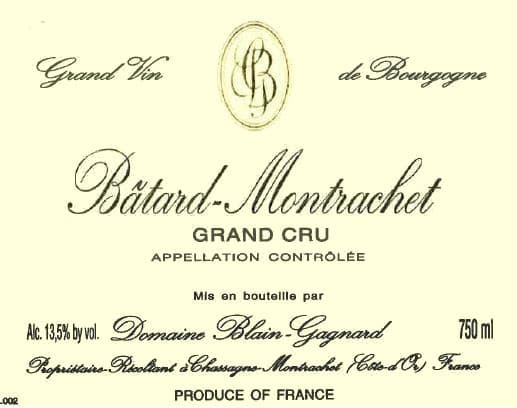
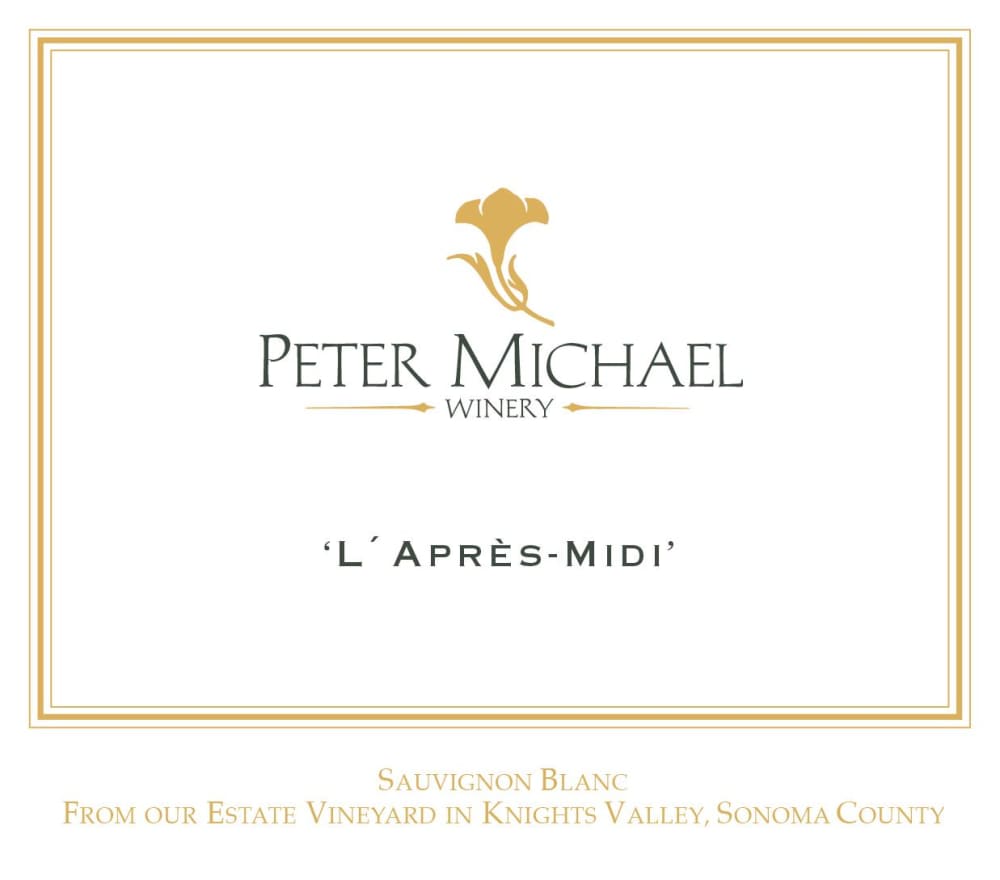
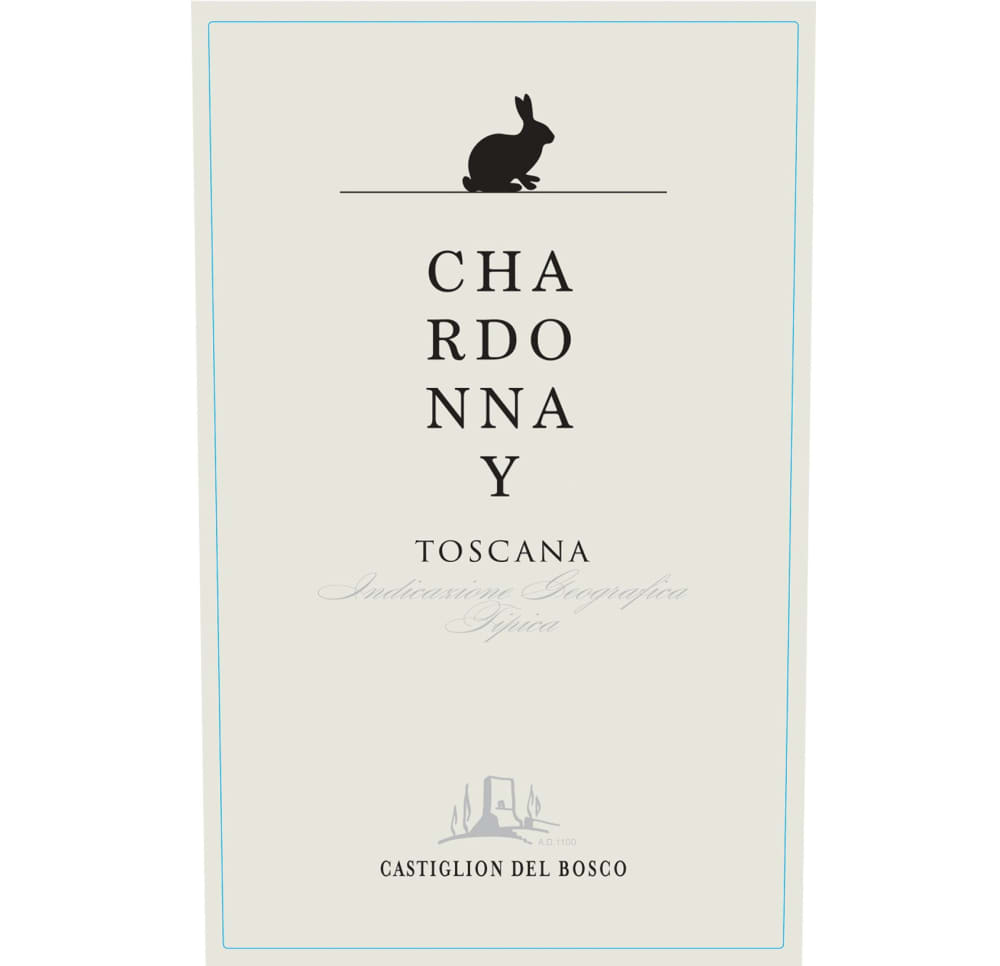
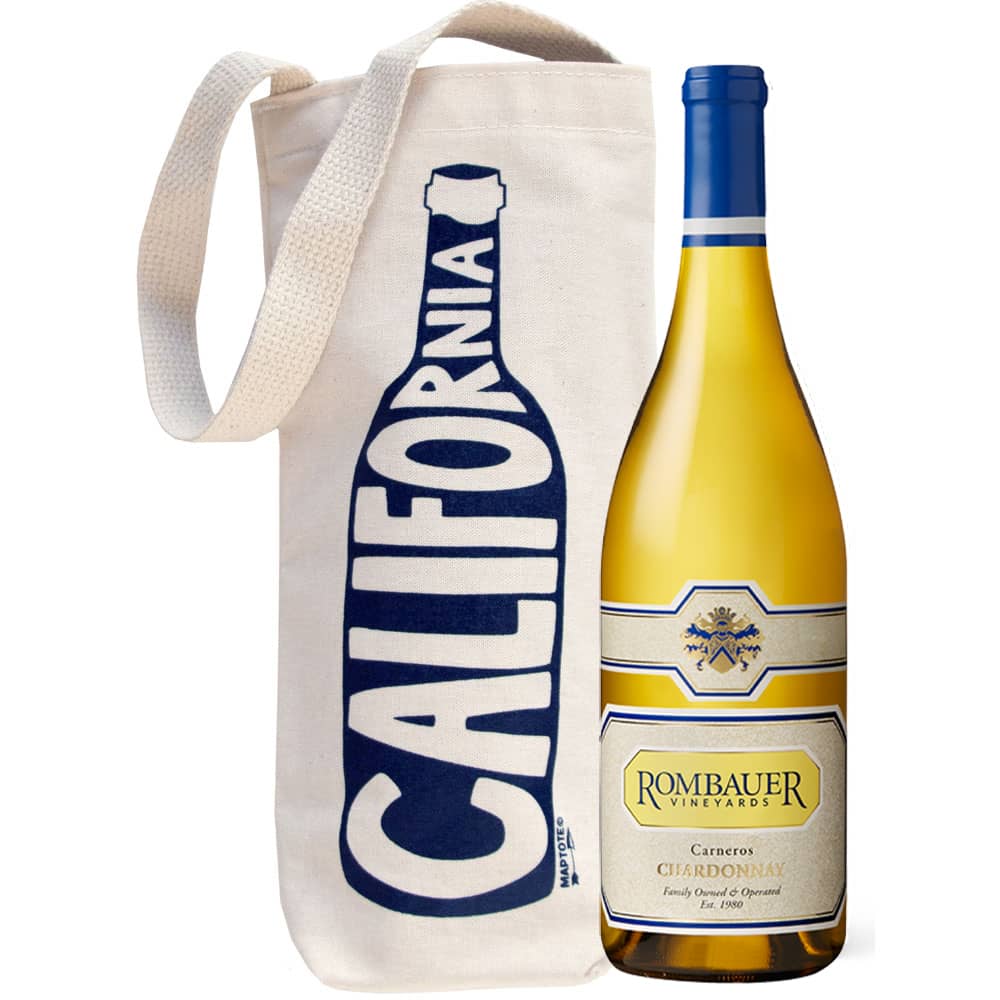
Choosing a Chardonnay from Burgundy is a rewarding experience. This region produces some of the most refined and complex expressions of this grape, showcasing notes of citrus, stone fruits, and a subtle oak influence. I recommend trying a bottle from a reputable producer, as it can elevate any dining occasion.
For those who prefer something crisper, a Sauvignon Blanc from New Zealand is an excellent selection. With its vibrant acidity and aromatic profile, this option often features grapefruit and herbaceous undertones, making it perfect for pairing with seafood or fresh salads.
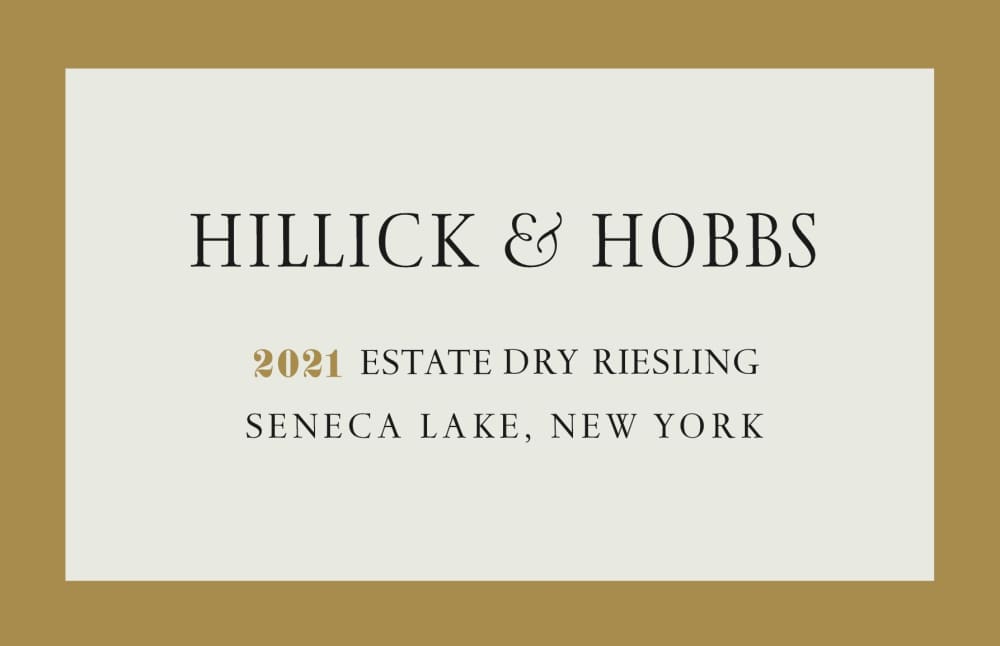
If you’re in the mood for something aromatic, consider a Riesling from Germany. These wines can range from dry to sweet, with lively acidity and flavors of pear, apple, and floral notes. An off-dry version pairs beautifully with spicy dishes, enhancing the overall dining experience.
Lastly, don’t overlook the appeal of a Pinot Grigio from Italy. Known for its light body and refreshing character, this variety typically presents crisp apple and citrus flavors. It’s an ideal choice for warm-weather gatherings or casual sipping on the patio.
Understanding Different White Wine Varietals
Chardonnay stands out with its versatility, ranging from crisp and mineral-driven to rich and buttery, depending on the region and winemaking techniques. Those who enjoy a fuller-bodied experience should seek out oaked examples, often exhibiting flavors of vanilla and toasted nuts.
Sauvignon Blanc
Sauvignon Blanc captivates with its zesty acidity and vibrant fruit character. Originating from the Loire Valley and New Zealand, this varietal often showcases citrus and green herb notes. Pair it with goat cheese or seafood for an exceptional combination.
<h3/Riesling
Riesling is a prime choice for those who appreciate aromatic complexity. This grape can produce wines ranging from bone-dry to lusciously sweet. Look for German Auslese or Alsatian examples for a delightful balance of sweetness and acidity, perfect with spicy Asian cuisine.
Characteristics of Popular White Wine Varietals
Sauvignon Blanc displays high acidity and vibrant citrus notes. Expect aromas of lime, green apple, and passion fruit. This grape thrives in cooler climates, enhancing its fresh and zesty profile. Pair with seafood or light salads for a refreshing experience.
Chardonnay is versatile, ranging from crisp and unoaked to rich and buttery. The unoaked versions highlight green apple and pear, while oaked varieties develop flavors of vanilla and toasted oak. Ideal companions include roasted chicken or creamy pasta dishes.
Riesling is known for its aromatic qualities and sweetness levels, from dry to dessert styles. It features floral notes and stone fruits like peach and apricot. This varietal matches well with spicy Asian cuisine or charcuterie boards.
Pinot Grigio offers a light, crisp profile with notes of pear, apple, and subtle floral hints. Its refreshing taste makes it perfect for warm weather. It complements light appetizers and seafood dishes beautifully.
Gewürztraminer stands out with its intense aromatics and spicy character. Expect lychee, rose petal, and ginger flavors. This wine pairs wonderfully with spicy dishes and rich cheeses, enhancing the overall dining experience.
Viognier is celebrated for its aromatic complexity, featuring apricot, peach, and floral notes. The medium to full body and low acidity make it unique. Pair it with rich seafood or dishes with creamy sauces for delightful harmony.
Grüner Veltliner, hailing from Austria, is known for its peppery spice and green fruit flavors. With a crisp finish, it works well with light dishes like salads or grilled vegetables, enhancing their flavors.
Each varietal brings unique characteristics to the table, allowing for diverse pairings and experiences. Exploring different styles can lead to delightful discoveries.
Food Pairing Suggestions for White Wines
Grilled shrimp pairs beautifully with a zesty Sauvignon Blanc, enhancing the dish’s freshness with its citrus notes.
Rich, creamy dishes like fettuccine Alfredo find a perfect match in a full-bodied Chardonnay, as its buttery texture complements the sauce.
For a light summer salad topped with goat cheese, a crisp Pinot Grigio provides an excellent contrast, balancing the tanginess of the cheese.
Seafood, particularly scallops, works wonderfully with an aromatic Riesling, where the wine’s sweetness offsets the natural saltiness of the dish.
Spicy Asian cuisine, such as Thai curry, can be elevated with an off-dry Gewürztraminer, which cools the palate while enhancing the flavors.
Charcuterie boards featuring various cured meats harmonize with an oaked Chenin Blanc, allowing the wine’s complexity to shine alongside the savory elements.
Roasted chicken with herbs finds its ideal companion in a Sauvignon Blanc, where the herbaceous qualities of the wine echo the dish’s seasoning.
Vegetable stir-fries, especially those with a soy sauce base, can benefit from the crispness of a dry Riesling, harmonizing with the dish’s umami flavor.
For desserts like lemon tart, a late-harvest Sauvignon Blanc provides a delightful pairing, enhancing the tartness while adding a sweet finish.
Best Regions for Quality White Wines
Exploring regions known for exceptional pale beverages leads to remarkable discoveries. The Loire Valley in France showcases a diverse range, particularly Sancerre and Pouilly-Fumé, both famed for their crispness and minerality derived from the unique terroir.
Moving to Italy, Tuscany stands out with its Vernaccia di San Gimignano, a delightful offering with floral notes and a refreshing finish. The northern area of Friuli-Venezia Giulia is also noteworthy, producing incredible Sauvignon Blanc with distinctive herbal qualities.
In California, the Sonoma Coast is home to exceptional Chardonnay, where cool coastal breezes contribute to balanced acidity and rich flavors. The Napa Valley also excels, particularly with its barrel-aged varieties that exhibit buttery textures and tropical fruit characteristics.
Australia’s Adelaide Hills region has gained recognition for its Sauvignon Blanc, characterized by vibrant citrus and green apple notes. Meanwhile, New Zealand, particularly the Marlborough area, is celebrated for its intensely aromatic Sauvignon Blanc, offering zesty flavors that captivate the palate.
Germany’s Rheingau and Mosel regions excel in producing Riesling, known for its balance of sweetness and acidity, often displaying notes of stone fruits and floral undertones. These areas are perfect for those who appreciate a touch of sweetness in their beverages.
Finally, exploring the Hungarian region of Tokaj presents an opportunity to savor Furmint and Hárslevelű, which offer rich, complex profiles with honeyed notes and vibrant acidity, making them distinctively enjoyable.
How to Properly Serve and Store White Wine
Chill your selection to between 45°F and 55°F (7°C to 13°C) before serving. Use a wine thermometer to ensure accuracy. For sparkling varieties, aim for a cooler temperature around 40°F (4°C).
Serving Techniques
Utilize proper glassware. Choose a tulip-shaped glass for aromatic varietals like Sauvignon Blanc, while a broader bowl suits creamier options such as Chardonnay. Hold the glass by the stem to avoid warming the liquid.
Storage Recommendations
Store bottles upright if they are screw-capped. Corked bottles should be kept horizontally to keep the cork moist. Maintain a consistent temperature between 45°F and 65°F (7°C to 18°C) in a dark environment, away from direct light and vibrations.
| Type | Serving Temperature (°F) | Storage Temperature (°F) |
|---|---|---|
| Sauvignon Blanc | 45-50 | 45-55 |
| Chardonnay | 50-55 | 45-60 |
| Riesling | 45-50 | 45-55 |
| Pinot Grigio | 45-50 | 45-55 |
| Gewürztraminer | 45-50 | 45-55 |
Keep wines in a stable environment, avoiding fluctuations in temperature. If possible, invest in a wine fridge for optimal conditions. Avoid storing near food with strong odors, as they can permeate the cork and affect flavor.
Identifying Flavor Profiles in White Wines
To discern the flavor profiles of these beverages, I focus on key characteristics such as acidity, sweetness, fruitiness, and oak influence. For instance, Sauvignon Blanc often presents high acidity with notes of green apple and citrus, while Chardonnay can range from crisp and fruity to rich and buttery depending on oak aging.
Acidity and Sweetness
High acidity is a hallmark of many varietals, providing a refreshing quality. Riesling, for example, can exhibit pronounced acidity alongside varying levels of sweetness, from dry to dessert styles. In contrast, Gewürztraminer typically offers lower acidity but is renowned for its aromatic profile and a hint of sweetness, making it a unique choice for pairing with spicy cuisine.
Fruit and Oak Influence
Fruit characteristics vary widely; while Pinot Grigio often showcases stone fruits and melon, a barrel-aged Chardonnay might display notes of vanilla and toast from oak influence. Understanding these nuances helps in selecting the right bottle to match personal taste preferences or culinary pairings.