Chuck Furuya
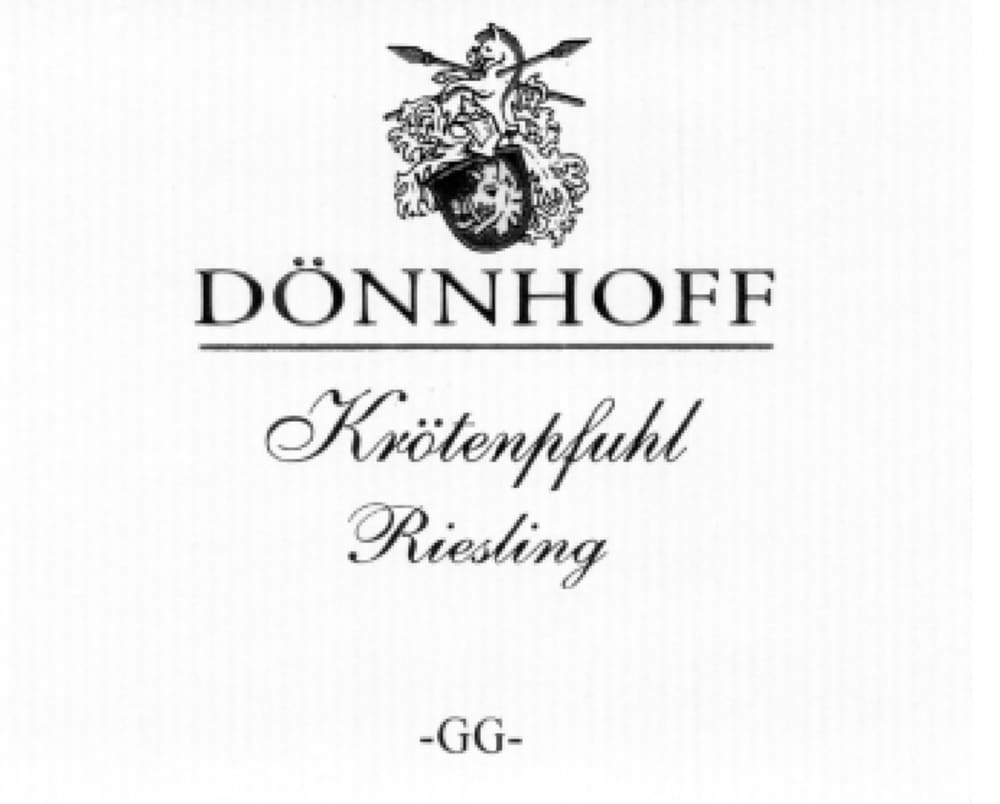
If you enjoy the sweet, fruity notes of Moscato, I recommend trying a Riesling. This variety often boasts similar flavors of peach and apricot, with a refreshing acidity that balances its sweetness. Look for a German Riesling labeled “Spätlese” for a delightful experience.
Another excellent choice is a Gewürztraminer. Its aromatic profile features lychee and rose, providing an enticing and flavorful alternative. Opt for one from Alsace, as they tend to emphasize the wine’s natural sweetness and aromatic complexity.
For a different twist, consider an Asti Spumante. This sparkling option delivers vibrant fruitiness and effervescence, making it a fun and lively substitute. It is often slightly lower in alcohol, which makes it quite refreshing.
Lastly, try a Vinho Verde. This Portuguese selection offers a light, crisp taste with hints of citrus and green apple. While it’s drier than Moscato, its slight effervescence and fruity character make it an enjoyable option for those seeking something new.
Alternative Choices to Moscato
If you enjoy the sweet and fruity essence of Moscato, I recommend trying Gewürztraminer. This aromatic option offers a similar sweetness with a hint of spice, making it a delightful alternative. Its floral notes and rich tropical fruit flavors create a unique tasting experience.
Other Notable Options
- Riesling: This varietal ranges from dry to sweet. Look for the sweeter styles to find a comparable taste. The lush peach and apricot flavors will resonate well with Moscato lovers.
- Vidal Blanc: Known for its honeyed sweetness and bright acidity, this grape can deliver a similar refreshing quality.
- Brachetto: This sparkling red offers sweetness with berry flavors and can be a fun twist while still appealing to Moscato fans.
Pairing Suggestions
When enjoying these alternatives, consider pairing them with light desserts, cheeses, or spicy dishes. The sweetness complements many flavors, enhancing the overall dining experience.
Comparing Flavor Profiles of Moscato and Alternatives
I recommend trying Riesling as a delightful alternative. Its sweetness can match the fruity notes of Moscato, with a balance of acidity that enhances the overall tasting experience. Expect flavors of peach, apricot, and sometimes even a hint of petrol in aged varieties, giving it a unique character.
Exploring Other Options
Pinot Grigio serves as another excellent choice, though it leans more towards crispness than sweetness. This option offers refreshing citrus and green apple flavors, making it a great pairing for lighter dishes.
Sweet Alternatives
If you prefer something sweeter, look into Gewürztraminer. This variety is known for its aromatic profile, with notes of lychee, rose petal, and spices. The sweetness level can be comparable, making it an exciting substitute for those fond of Moscato’s sweetness.
Best Food Pairings for Moscato-Like Wines
Pairing light, fruity alternatives to Moscato enhances both the dish and the drink. I recommend enjoying these wines with spicy Asian cuisine. The sweetness balances the heat, creating a delightful contrast. Dishes like sweet and sour chicken or Thai red curry work exceptionally well.
Cheese and Charcuterie
Soft cheeses such as brie or goat cheese complement the fruity notes beautifully. A charcuterie board featuring prosciutto and salami also pairs nicely, as the saltiness offsets the sweetness, creating a harmonious experience.
Fruits and Desserts
Fresh fruits, especially berries and stone fruits, enhance the wine’s aroma and flavor. For dessert, consider light pastries such as fruit tarts or panna cotta. Their sweetness aligns perfectly with the wine’s profile, making for a refreshing end to a meal.
FAQ:
What white wines share similar characteristics with Moscato?
Several white wines exhibit similarities to Moscato in terms of sweetness, aroma, and flavor profile. Notable options include Riesling, particularly those labeled as “late harvest” or “sweet,” which offer fruity notes and floral aromas. Another alternative is Gewürztraminer, known for its aromatic qualities and spice, providing a unique twist while maintaining sweetness. Lastly, some varieties of Pinot Grigio can mirror Moscato’s lightness and fruit-forward character, especially if they are produced in a sweeter style.
Can you recommend a wine that is sweeter than Moscato?
If you are seeking a wine that is sweeter than Moscato, consider trying a dessert wine like Sauternes or Tokaji. These wines are known for their high sugar content and complex flavors, often featuring notes of honey, apricot, and citrus. Another option is Ice Wine, which is made from grapes that have frozen on the vine, resulting in a rich and intensely sweet flavor profile. These wines can provide a delightful experience if you enjoy the sweetness of Moscato.
Are there any dry white wines that resemble Moscato?
While Moscato is typically sweet, some dry white wines may share certain flavor elements. A good option to consider is a dry Riesling, which retains some fruitiness while being less sweet. Sauvignon Blanc can also provide a refreshing taste with citrus and herbal notes, though it may lack the sweetness of Moscato. Additionally, a dry Pinot Grigio can offer a light and crisp profile that might appeal to those who enjoy the fruity aspects of Moscato without the sweetness.
What is the best food pairing for wines similar to Moscato?
Wines akin to Moscato pair beautifully with various foods. They complement light dishes such as salads, seafood, and chicken, particularly when prepared with fruity or citrus-based sauces. For a delightful contrast, try pairing these wines with spicy dishes, where the sweetness can balance the heat. Additionally, they work well with desserts, especially fruit-based ones, making them a versatile choice for various meals and occasions.
How does the flavor profile of Riesling compare to Moscato?
Riesling and Moscato both showcase fruit-forward flavors, but they differ in sweetness and complexity. Riesling often presents a range of sweetness levels, from dry to very sweet, and can exhibit flavors of peach, apricot, and lime, along with floral notes. Moscato is typically sweeter and has a lighter body, with flavors leaning towards peach, orange blossom, and nectar. While both wines are aromatic and delicious, Riesling tends to offer a more varied tasting experience due to its diverse styles.
What white wines have a similar taste profile to Moscato?
If you’re looking for white wines that resemble Moscato, consider Riesling, especially the sweeter varieties. Riesling often shares Moscato’s fruity and floral notes, making it a delightful alternative. Another option is Gewürztraminer, which offers aromatic qualities and a hint of sweetness. Sauvignon Blanc can also be a choice if you prefer something with a bit more acidity while still retaining some fruitiness. Each of these wines provides a unique take on the sweet and fruity characteristics found in Moscato.