Chuck Furuya
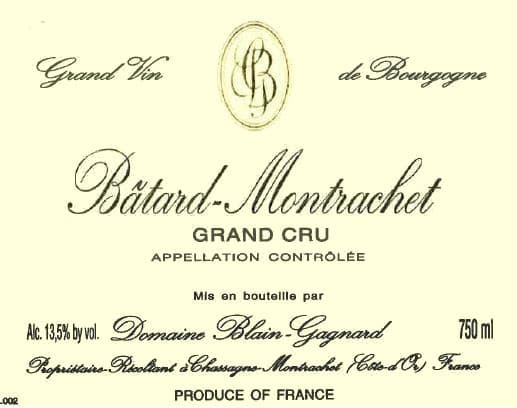


For any enthusiast seeking a refined experience, I recommend reaching for a bottle of Chardonnay sourced from the Burgundy region. This varietal stands out due to its remarkable balance of acidity and fruitiness, which makes it a versatile choice for various occasions.
The vineyards in Burgundy, particularly in areas like Chablis and Côte de Beaune, produce some of the finest expressions of this grape. The terroir plays a critical role, imparting unique mineral notes that complement the wine’s inherent flavors of citrus, apple, and stone fruits. Opt for a Premier Cru or Grand Cru designation for an exceptional taste experience.
Pair this exquisite beverage with seafood, poultry, or creamy pasta dishes to enhance the meal. The complex profile of these Chardonnays not only elevates the dining experience but also showcases the artistry of the winemakers in this acclaimed French region.
Exploring the Characteristics of White Burgundy
I recommend looking into the Chardonnays from this renowned region of France. They typically exhibit a rich profile with notes of ripe fruits like apple and pear, complemented by a creamy texture. The best examples often show hints of citrus and stone fruits, alongside subtle oak influences when aged in barrels.
For those who prefer a fresher style, opt for wines labeled as “Bourgogne Blanc,” which tend to be lighter and more straightforward, showcasing bright acidity and minerality. These selections are versatile and pair well with seafood, poultry, or creamy dishes.
Consider exploring specific villages within the region, such as Meursault or Chassagne-Montrachet, known for their exceptional quality. These wines may exhibit more complex flavors and a fuller body, often aged longer to develop depth and richness.
Pay attention to the vintage as well. Some years yield exceptional fruit quality, resulting in remarkable expressions that can age beautifully. Always check the producer, as established estates often have consistent quality across vintages.
In summary, whether you prefer a fresh, vibrant expression or a more complex and rich style, the Chardonnays from this French region offer a diverse range of options to explore and enjoy.
Understanding the Grape Varieties Used in White Burgundy
The primary grape variety utilized in this esteemed region is Chardonnay. This varietal excels in the diverse climates and soils of Burgundy, producing wines with remarkable depth and complexity. The expression of Chardonnay in this area showcases a range of profiles, from crisp and mineral-driven to rich and buttery, depending on the vineyard’s specific conditions.
In addition to Chardonnay, some producers experiment with other varieties, such as Aligoté. While less common, Aligoté offers a lighter, more refreshing alternative that can be delightful when crafted by skilled winemakers. These rare blends can provide an interesting contrast to the more traditional offerings.
Understanding the terroir is crucial. The unique combination of climate, soil types, and vineyard practices in Burgundy contributes significantly to the character of the grapes. For instance, the limestone-rich soils tend to enhance the minerality of the Chardonnay, adding a distinctive edge to the final product.
| Grape Variety | Characteristics | Common Blends |
|---|---|---|
| Chardonnay | Rich, complex, with notes of apple, pear, and citrus; can exhibit minerality and oak influence. | Rarely blended; primarily produced as a single varietal. |
| Aligoté | Lighter, crisper, with higher acidity; often showcases floral and citrus notes. | Can be blended with Chardonnay for unique expressions. |
In selecting a bottle, consider the specific vineyard and its characteristics, as these factors greatly influence the wine’s profile. Seek out producers known for their meticulous farming and winemaking techniques to fully appreciate the nuances that these grape varieties can offer.
Key Regions of Production for White Burgundy Wines
Burgundy stands as the premier area for producing exceptional Chardonnays, with several key sub-regions contributing distinct characteristics. The Côte de Beaune is particularly renowned, where villages like Meursault, Puligny-Montrachet, and Chassagne-Montrachet produce some of the finest examples. Each village showcases unique terroir, influencing flavor profiles and styles.
Côte Chalonnaise
This region, located south of Côte de Beaune, offers a more affordable yet high-quality alternative. Notable appellations include Rully and Montagny, where the wines display bright acidity and fruity notes. The Côte Chalonnaise is often overlooked, but its offerings are worthy of attention for those seeking value without compromising quality.
Mâconnais
The Mâconnais, further south, presents a different expression of Chardonnay. Wines from this area tend to be more approachable and fruit-forward, with a refreshing profile. The Pouilly-Fuissé appellation is particularly noteworthy, showcasing ripe fruit flavors and a hint of minerality, making it a great choice for casual drinking or pairing with lighter dishes.
Flavor Profiles and Aromas of White Burgundy
For a truly captivating tasting experience, I recommend focusing on the diverse flavor profiles and aromas that characterize this exquisite beverage. The primary grape, Chardonnay, plays a central role, bringing a range of complexities to the palate.
Common Flavors
- Green apple and pear: These fresh and crisp notes often dominate, providing a refreshing start.
- Citrus: Lemon and lime zest contribute a bright acidity, enhancing the overall balance.
- Stone fruits: Peaches and apricots add richness and depth, especially in warmer vintages.
- Melon: Honeydew and cantaloupe notes emerge in some selections, creating a luscious mouthfeel.
Aromatic Characteristics
- Floral: Subtle hints of white flowers, such as jasmine and honeysuckle, can elevate the aromatic profile.
- Mineral: A distinctive flinty or chalky quality often reflects the terroir, especially from premium sites.
- Oak: When aged in barrels, notes of vanilla, butter, and toast can develop, adding complexity.
- Spice: A touch of nutmeg or clove may appear, especially in well-aged examples.
Each sip reveals layers of flavor, making it essential to consider the vintage and specific vineyard when selecting a bottle. This variety offers a delightful exploration for both novices and seasoned enthusiasts alike.
How to Properly Serve and Store White Burgundy
Serve chilled, ideally between 50°F and 55°F (10°C to 13°C). This temperature enhances the crispness and highlights the complex aromas of the beverage. I prefer using a white wine glass to concentrate the nuances. Pour gently, filling the glass to about one-third to allow for proper aeration.
Storing Techniques
Keep bottles upright to minimize contact with the cork, preventing spoilage. Store in a cool, dark place with a consistent temperature around 55°F (13°C). Humidity should be around 70% to maintain cork integrity. If you have a dedicated wine fridge, that’s an excellent investment for optimal preservation.
Serving Suggestions
Pair with seafood, poultry, or creamy sauces to complement the flavors. For special occasions, consider decanting to aerate before serving, enhancing the overall experience. When hosting, I always keep a few bottles on hand to accommodate various preferences and dishes.