Chuck Furuya
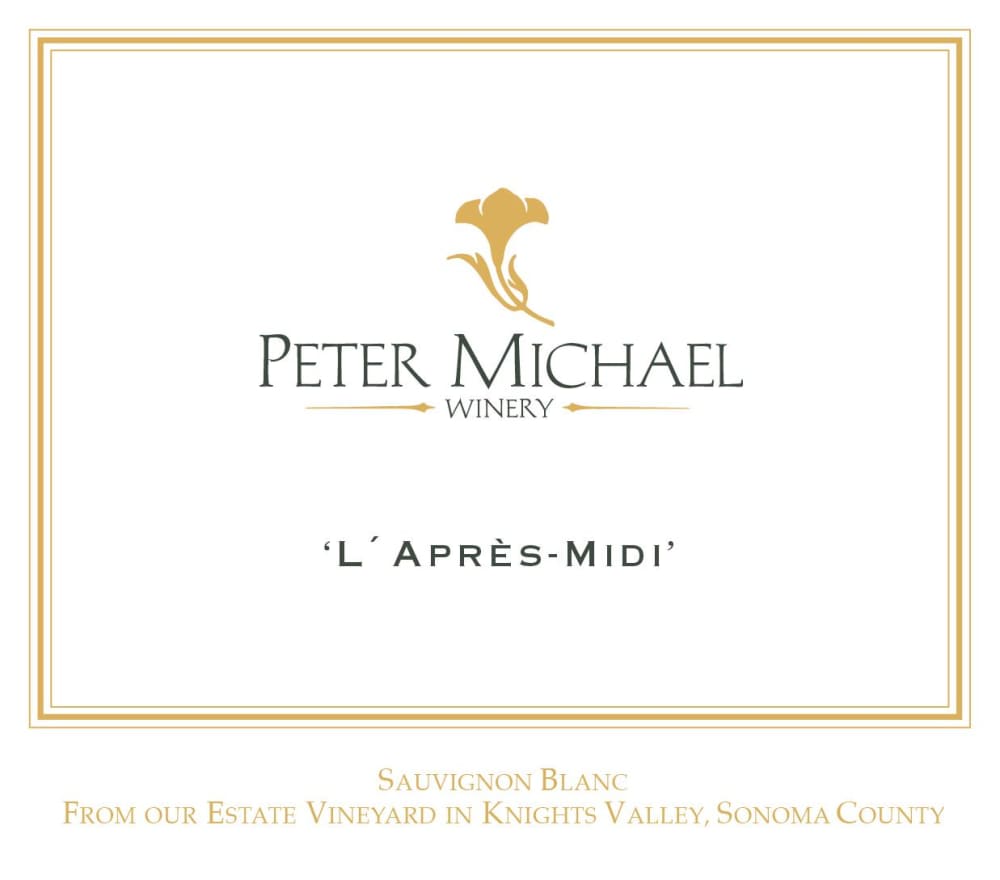


If you seek crisp and refreshing options, I recommend focusing on Sauvignon Blanc and Pinot Grigio. These selections consistently deliver a delightful balance of acidity and minerality, ideal for pairing with light dishes or enjoying on their own.
For a more nuanced experience, consider exploring Grüner Veltliner. This Austrian gem showcases a remarkable ability to convey its terroir, often displaying peppery notes alongside its refreshing profile. It’s a fantastic choice for those who appreciate complexity without residual sweetness.
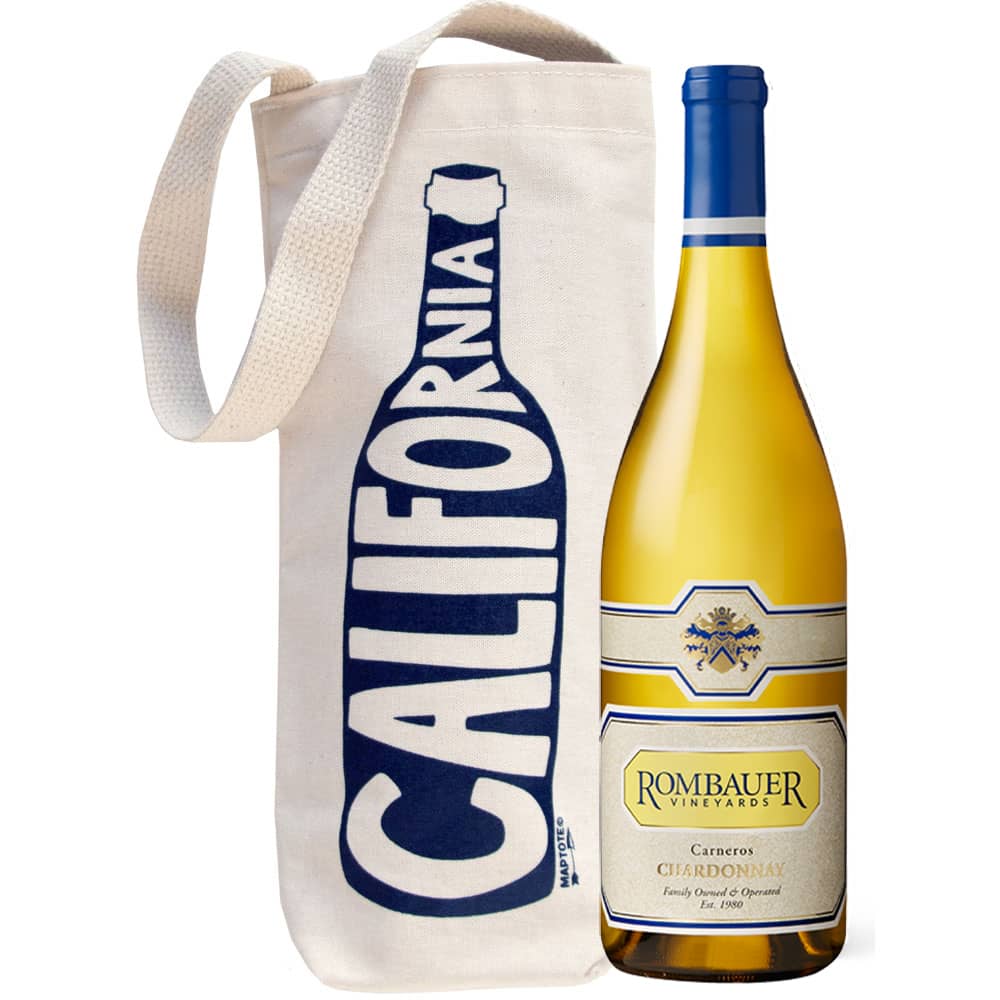
Chablis, originating from the Burgundy region, stands out for its high acidity and flinty characteristics. This Chardonnay variant is not only elegant but also showcases the purity of the grape, making it a perfect companion for seafood or creamy cheeses.
Lastly, for something unique, try Albariño from Spain. Its bright acidity and hints of stone fruit make it a superb option for warm weather sipping, while its versatility pairs well with a range of cuisines, from tapas to grilled fish.
Characteristics of Dry White Wines
High acidity is a hallmark of these selections, providing a refreshing quality that enhances their crispness. Varietals such as Sauvignon Blanc and Pinot Grigio exemplify this trait, delivering zesty flavors that pair well with seafood and light dishes.
Aromatic Profiles
Many of these beverages exhibit distinct aromatic profiles. For instance, a well-crafted Chardonnay may showcase notes of green apple and citrus, while a Riesling can offer subtle hints of stone fruits and minerality. These aromas contribute to the overall tasting experience and can vary significantly based on the region of origin.
Body and Texture
The body can range from light to medium, with some having a fuller mouthfeel depending on the winemaking techniques employed. For example, barrel fermentation can impart a creamy texture to a Sauvignon Blanc, enhancing its complexity. The balance between acidity and body plays a critical role in the overall enjoyment of these selections.
Pairing options are vast. Seafood, salads, and light pasta dishes are excellent companions, allowing the flavors of the drink to shine without overpowering the palate. Understanding these characteristics can elevate your tasting experience and enhance food pairings.
Top Dry White Wine Varietals to Consider
Consider Sauvignon Blanc for its crisp acidity and herbaceous notes. This variety thrives in regions such as Marlborough, New Zealand, producing zesty flavors of lime and grapefruit.
Chardonnay offers versatility; when vinified in a dry style, it showcases a range of fruit profiles from green apple to ripe peach. Look for examples from Chablis, France, where minerality balances the richness.
Pinot Grigio, particularly from Italy, is another excellent choice. Its light body and refreshing profile make it perfect for warm weather, with hints of pear and citrus.
For something unique, explore Grüner Veltliner from Austria. This varietal presents spicy notes and a distinct peppery finish, paired wonderfully with food.
| Varietal | Region | Tasting Notes |
|---|---|---|
| Sauvignon Blanc | Marlborough, New Zealand | Citrus, herbal, zesty |
| Chardonnay | Chablis, France | Apple, peach, minerality |
| Pinot Grigio | Italy | Pear, citrus, light |
| Grüner Veltliner | Austria | Spicy, peppery, fresh |
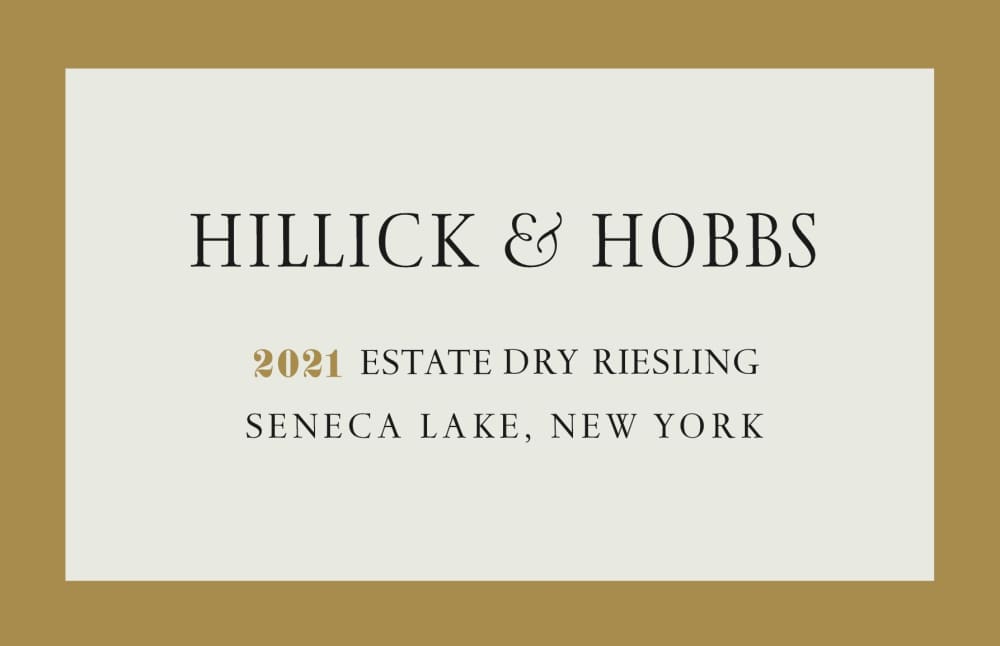
Riesling can also surprise; though often perceived as sweet, dry versions from Alsace or Australia deliver crisp acidity with stone fruit flavors.
Albariño, particularly from Rías Baixas, Spain, is bright and fruity, with salinity that pairs well with seafood, making it a delightful option.
Each varietal brings its own character and food-pairing potential, enhancing any occasion with refreshing profiles and unique flavor experiences.
Food Pairings for Dry White Wines
Grilled seafood is a fantastic accompaniment, especially with Sauvignon Blanc. The zesty acidity complements shrimp and fish beautifully.
Chicken dishes shine alongside a crisp Chardonnay. Roasted or lemon-herb chicken enhances the wine’s oak notes.
Salads featuring citrus vinaigrettes work well with Pinot Grigio. The refreshing profile balances the tartness of the dressing.
For creamy pastas, a Viognier adds richness. Its floral notes elevate dishes like fettuccine Alfredo.
Cheese plates benefit from a variety of pairings:
- Goat cheese pairs excellently with Sauvignon Blanc.
- Brie and Camembert complement a full-bodied Chardonnay.
- Sharp cheddar matches well with a dry Riesling.
Spicy Asian cuisine finds harmony with Gewürztraminer. The slight sweetness counteracts the heat.
For a light dessert, consider pairing a dry sparkling option with fruit tarts. The bubbles enhance the sweetness of the fruit.
Experimenting with these combinations can enhance meals and elevate the overall dining experience.
Regions Known for Producing Dry White Wines
France stands out with its renowned regions like Bordeaux and Loire Valley, where Sauvignon Blanc and Chenin Blanc thrive. Bordeaux, particularly in Pessac-Léognan, is celebrated for its crisp, mineral-driven expressions that complement seafood beautifully.
Italy’s Friuli-Venezia Giulia is another hotspot, famed for its Friulano and Sauvignon Blanc. The region’s unique terroir delivers aromatic profiles with zesty acidity, making them perfect companions for light pasta dishes.
Germany
Germany’s Mosel and Rheinhessen regions are recognized for producing dry Rieslings. These wines showcase a balance of fruitiness and minerality, ideal for pairing with Asian cuisine due to their versatility.
United States
In the USA, California’s Napa Valley and Sonoma County excel in crafting dry whites, particularly Chardonnay. The warm climate enhances ripe fruit flavors, while oak aging adds complexity, making them suitable for rich dishes like creamy risottos.
Exploring these regions provides an excellent foundation for discovering exceptional dry offerings, each with distinct characteristics that elevate any dining experience.
How to Properly Taste Dry White Wines
Begin with the right glass; a tulip-shaped vessel helps concentrate aromas. Pour about 1/3 of the glass to allow for swirling.
Observe the appearance first. Tilt the glass against a white background to assess clarity and color intensity. Look for shades from pale straw to golden hues, indicating age and varietal characteristics.
Next, perform the swirl. This aerates the liquid, releasing aromatic compounds. After swirling, take a moment to inhale deeply. Identify primary scents: citrus, stone fruits, herbs, or floral notes. The complexity of aromas can reveal the quality of the beverage.
For tasting, take a small sip, letting it coat your palate. Pay attention to the acidity level; it should feel refreshing. Notice the flavor profile: is it crisp, mineral-driven, or fruity? Assess the balance between sweetness and acidity. A well-crafted selection will have a clean finish with lingering flavors.
Consider the texture as well. Some varieties exhibit a creamy mouthfeel, while others are more zesty. Evaluate the body; it can range from light to full, influencing the overall impression.
Document your observations. Use a tasting notebook or an app to note the characteristics and personal preferences for future reference.
- Glass: Use tulip-shaped for optimal aroma concentration.
- Pour: 1/3 of the glass for swirling.
- Observe: Check color and clarity against a white background.
- Swirl: Aerate to release aromas.
- Smell: Identify primary scents like citrus or floral notes.
- Taste: Focus on acidity, flavor profile, balance, and texture.
- Document: Keep notes for future reference.
Storage Tips for Maintaining Dry White Quality
Store bottles upright to prevent cork damage and oxidation. This allows for proper sealing and longevity.
Temperature Control
Maintain a consistent temperature between 45°F and 55°F (7°C to 13°C). Fluctuations can lead to spoilage.
Humidity Levels
- Aim for humidity around 50-70% to avoid cork drying out or mold growth.
- Invest in a hygrometer for accurate readings.
Light Exposure
Keep bottles away from direct sunlight and fluorescent lighting. Ultraviolet rays can degrade flavors and aromas.
Vibration and Movement
- Store in a stable environment; vibrations can disturb sediment and affect taste.
- Avoid frequent handling; minimize movement to maintain quality.
Air Quality
Ensure proper ventilation in storage areas to prevent musty odors from affecting the beverage. Avoid strong-smelling substances nearby.
Use of Wine Fridge
- Consider a wine refrigerator for optimal conditions.
- Many models offer adjustable temperature and humidity settings.
Understanding Wine Labels: Identifying Dry Whites
To confidently choose a less sweet beverage, focus on specific terms on the label. Look for “dry” or “brut”–these indicate minimal residual sugar. Avoid “sweet,” “semi-sweet,” or “off-dry,” which suggest higher sugar content.
Key Indicators to Watch For
Alcohol content can provide insight; generally, the higher the alcohol level, the lower the sugar. Look for varietals like Sauvignon Blanc or Pinot Grigio, which are often produced in a drier style. Additionally, regions renowned for producing crisp styles, such as Sancerre from France or Albariño from Spain, frequently offer less sugary options.
Reading the Back Label
Examine descriptions and tasting notes. Terms like “crisp,” “zesty,” or “minerality” typically signify drier characteristics. If available, check for the wine’s acidity level; higher acidity often correlates with a drier palate experience. Lastly, seek guidance from knowledgeable staff at wine shops–they can direct you to selections that meet your preferences.
Common Misconceptions About Dry White Wines
Many believe that all pale-colored varieties are devoid of sweetness, but this isn’t always accurate. Some lighter styles, such as certain Rieslings or Pinot Grigios, can exhibit subtle residual sugars, leading to a perception of sweetness.
Another common myth is that dry selections lack complexity. In reality, numerous expressions showcase a wide range of flavors and aromas, from citrus and stone fruits to herbal notes and minerality. These attributes can create a rich tasting experience.
People often think that dry choices pair poorly with food, which is misleading. In fact, many dishes, particularly seafood, poultry, and vegetable-based meals, complement these selections exceptionally well, enhancing both the food and the drink.
There’s also a belief that temperature doesn’t matter for serving these beverages. Serving them too warm can mask their crispness, while serving too cold might mute their flavors. Ideal serving temperatures usually range between 45°F and 50°F for optimal enjoyment.
Lastly, some assume that all origins produce similar profiles. However, terroir plays a significant role in flavor development. Regions like Bordeaux, Loire Valley, and the New World offer distinct characteristics influenced by their unique climates and soils.