Chuck Furuya

To identify the category of pale grape beverages from France, one must look to the term vin blanc, which encompasses a variety of styles and flavors. Among the most renowned are those produced in regions like Burgundy and Bordeaux, celebrated for their unique characteristics and aging potential.
Chardonnay and Sauvignon Blanc stand out as key varietals within this category. Chardonnay from Chablis offers a crisp, mineral-driven profile, while the Sauvignon Blanc from Sancerre showcases vibrant acidity and herbaceous notes. For those seeking a fuller-bodied experience, consider exploring the rich and creamy styles from the Côte de Beaune.
Each sip of these beverages reflects the terroir of its origin. If you’re interested in a refreshing option, opt for a Picpoul de Pinet, which pairs excellently with seafood. Alternatively, a rich and oaked version from the southern regions can complement hearty dishes. Understanding these distinctions will elevate your enjoyment and appreciation of these exquisite libations.
Identifying the Names of Classic Options
In my experience, several terms represent the light-hued beverage from France. The most recognized include:
- Vin Blanc
- Vins de Pays
- Appellation d’Origine Contrôlée (AOC)
Regions and Their Signature Styles
Each area boasts unique characteristics, enhancing the diversity of this drink:
- Bordeaux: Known for Sauvignon Blanc and Sémillon blends.
- Burgundy: Renowned for Chardonnay, often showcasing a rich, buttery flavor.
- Loire Valley: Features varieties like Chenin Blanc and Sauvignon Blanc, typically crisp and refreshing.
- Alsace: Offers aromatic selections such as Pinot Gris and Gewurztraminer.
Choosing a particular type often reflects personal preference, and exploring each region can lead to delightful discoveries. The variety available makes it an exciting choice for any occasion.
Popular Types of French White Wines
Chardonnay stands out as a staple in the realm of pale beverages, especially from regions like Burgundy. Its versatility allows for a range of styles, from crisp and mineral to rich and buttery, often enhanced by oak aging. I recommend seeking out a Chablis for its refreshing acidity and flinty notes.
Sauvignon Blanc is another favorite, particularly from the Loire Valley and Bordeaux. Known for its zesty character and herbaceous qualities, it pairs beautifully with seafood. A Sancerre or Pouilly-Fumé can offer a delightful experience, showcasing the grape’s signature citrus and green pepper flavors.
Other Noteworthy Varieties
Riesling, while often associated with sweetness, can also produce excellent dry versions, particularly in Alsace. These wines display floral aromas and stone fruit flavors, making them an intriguing choice for various dishes.
Lastly, I can’t overlook Viognier, which thrives in the Rhône Valley. With its aromatic profile of peach and apricot, it delivers a luscious mouthfeel. Opt for a Condrieu to explore its full potential.
Regions Known for White Wine Production
Some of the most renowned areas for crafting exceptional pale beverages are situated in various parts of Europe, particularly in the Mediterranean region. Each locale showcases unique characteristics that influence the taste and aroma profiles of the produced liquids.
Bordeaux
Bordeaux is a prestigious region, celebrated for its Sauvignon Blanc and Sémillon. The white varieties here are crisp and aromatic, often featuring citrus and floral notes. The subregions of Graves and Entre-Deux-Mers are particularly known for their high-quality offerings.
Burgundy
Burgundy is synonymous with Chardonnay. The Chablis subregion is famous for its mineral-driven profiles, while the Côte de Beaune produces richer, buttery flavors. Many of these choices age beautifully, developing complexity over time.
Loire Valley
The Loire Valley boasts a diverse array of grapes, including Sauvignon Blanc, Chenin Blanc, and Melon de Bourgogne. Sancerre and Vouvray are standout appellations, known for their vibrant acidity and expressive fruit characteristics.
Alsace
In Alsace, aromatic varieties like Riesling, Gewürztraminer, and Pinot Gris shine. The wines here are often full-bodied with a strong sense of terroir, showcasing floral and spiced notes.
Provence
While primarily known for rosé, Provence also produces notable pale liquids. The region’s warm climate allows for ripe fruit flavors, often with a refreshing acidity that pairs well with seafood dishes.
Recommendations
- Explore the Sauvignon Blanc from Bordeaux for an aromatic experience.
- Try a Chablis from Burgundy to appreciate its mineral qualities.
- Sample a Vouvray from the Loire for its versatility and richness.
- Opt for a Gewürztraminer from Alsace for a unique aromatic profile.
Each of these regions contributes distinct styles, making exploration rewarding for enthusiasts and newcomers alike.
Key Grapes Used in French White Wines
Chardonnay stands out as a premier variety, widely recognized for its versatility. I often find its expressions ranging from crisp and mineral-driven in Chablis to rich and oaky in Burgundy. Sauvignon Blanc is another staple, characterized by its zesty acidity and distinct herbal notes, particularly prominent in the Loire Valley, especially Sancerre and Pouilly-Fumé.
Another notable grape is Chenin Blanc, which I appreciate for its ability to produce everything from dry to sweet styles, with Vouvray being a prime example. Muscadet, made from Melon de Bourgogne, is perfect for seafood pairings, delivering a fresh and briny profile.
In the Alsace region, Gewürztraminer captures my attention with its aromatic qualities and spicy notes. Riesling, while less common, showcases a range of sweetness levels and high acidity, making it a delightful choice from this area.
| Grape Variety | Region | Flavor Profile |
|---|---|---|
| Chardonnay | Burgundy, Chablis | Crisp, rich, oaky |
| Sauvignon Blanc | Loire Valley | Zesty, herbal |
| Chenin Blanc | Vouvray | Varied (dry to sweet) |
| Melon de Bourgogne | Muscadet | Fresh, briny |
| Gewürztraminer | Alsace | Aromatic, spicy |
| Riesling | Alsace | Fruity, high acidity |
How to Pair French White Wine with Food
For seafood dishes, I recommend a crisp Sauvignon Blanc. Its zesty acidity complements the freshness of oysters and grilled fish beautifully. If I’m enjoying a creamy lobster bisque, a rich Chardonnay enhances the dish’s buttery notes.
With poultry, particularly roasted chicken, a versatile Viognier works wonders. Its floral aroma and stone fruit flavors elevate the savory notes of the meat. For a lighter option, a Pinot Gris is equally delightful.
When it comes to cheese, I often reach for a Sancerre with goat cheese. The wine’s minerality balances the tanginess of the cheese. For a creamy Brie, a slightly sweet Alsace Gewürztraminer creates an exquisite pairing.
Spicy dishes call for a refreshing Muscadet. Its light body and bright acidity cut through the heat effectively. For Asian cuisine, a Riesling can provide a lovely contrast to the spices without overwhelming the palate.
Finally, with dessert, a late-harvest wine like a Vendanges Tardives pairs beautifully with fruit tarts. The sweetness of the wine complements the tartness of the fruit, creating a harmonious finish to the meal.
Understanding French White Wine Labels
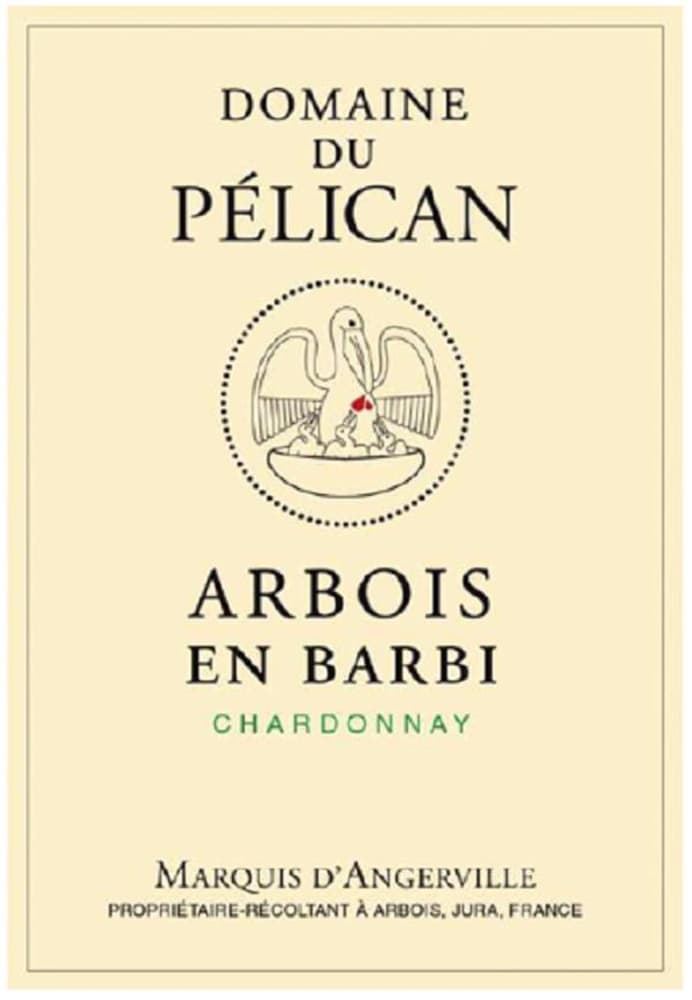
To decipher the labels on these beverages, focus on key components: the region, the grape variety, and the classification. The region often indicates the quality and style associated with the product. For example, a bottle marked “Chablis” signifies a Chardonnay from a prestigious area, while “Sancerre” denotes a Sauvignon Blanc from a renowned locale.
Region and Classification
Label terminology such as “AOC” (Appellation d’Origine Contrôlée) signifies adherence to strict production standards, ensuring the origin and quality of the liquid. Higher classifications like “Grand Cru” or “Premier Cru” indicate exceptional quality, often linked to specific vineyard sites within a region.
Grape Varieties
Look for grape names on the label, as they provide insight into the flavor profile. For instance, “Chardonnay” typically hints at a fuller-bodied, often oaky experience, while “Sauvignon Blanc” suggests freshness and acidity. Some labels may also include terms like “blanc” or “sec” to denote sweetness levels.