Chuck Furuya

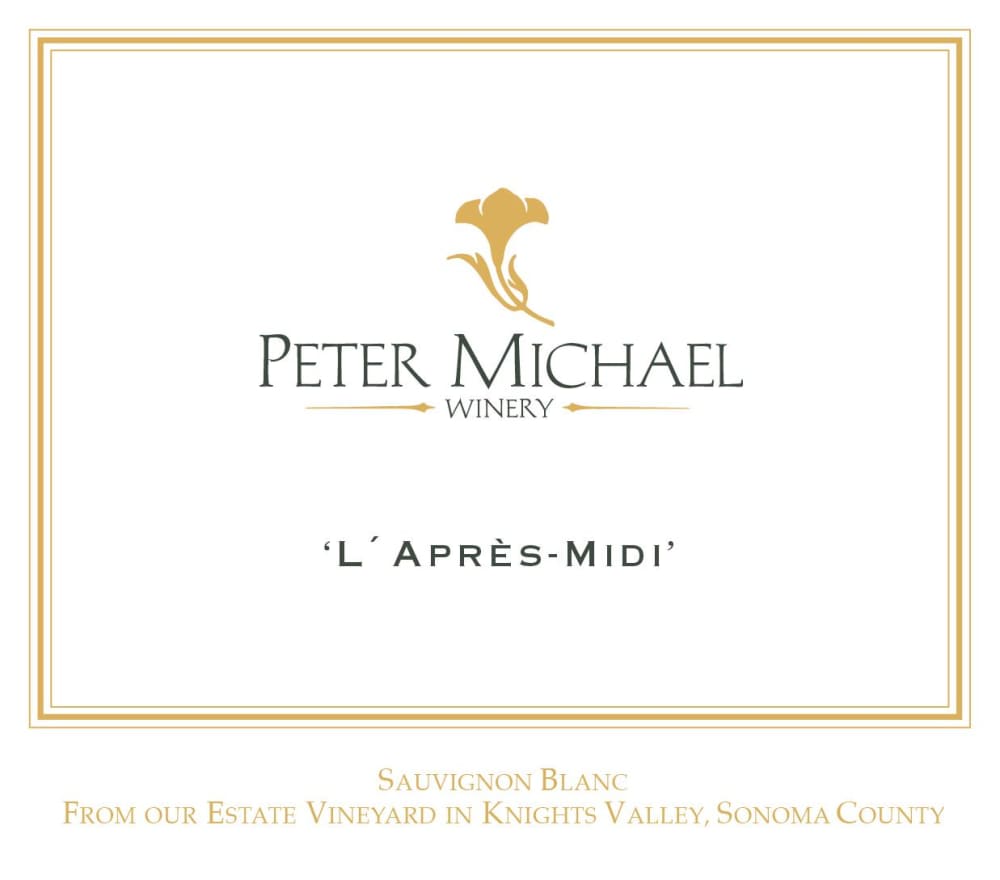
For anyone looking to enhance their palate, I recommend starting with Sauvignon Blanc. This grape variety is known for its crisp acidity and notes of citrus and green apple. Perfect for pairing with seafood or salads, it offers a refreshing experience that’s hard to beat.
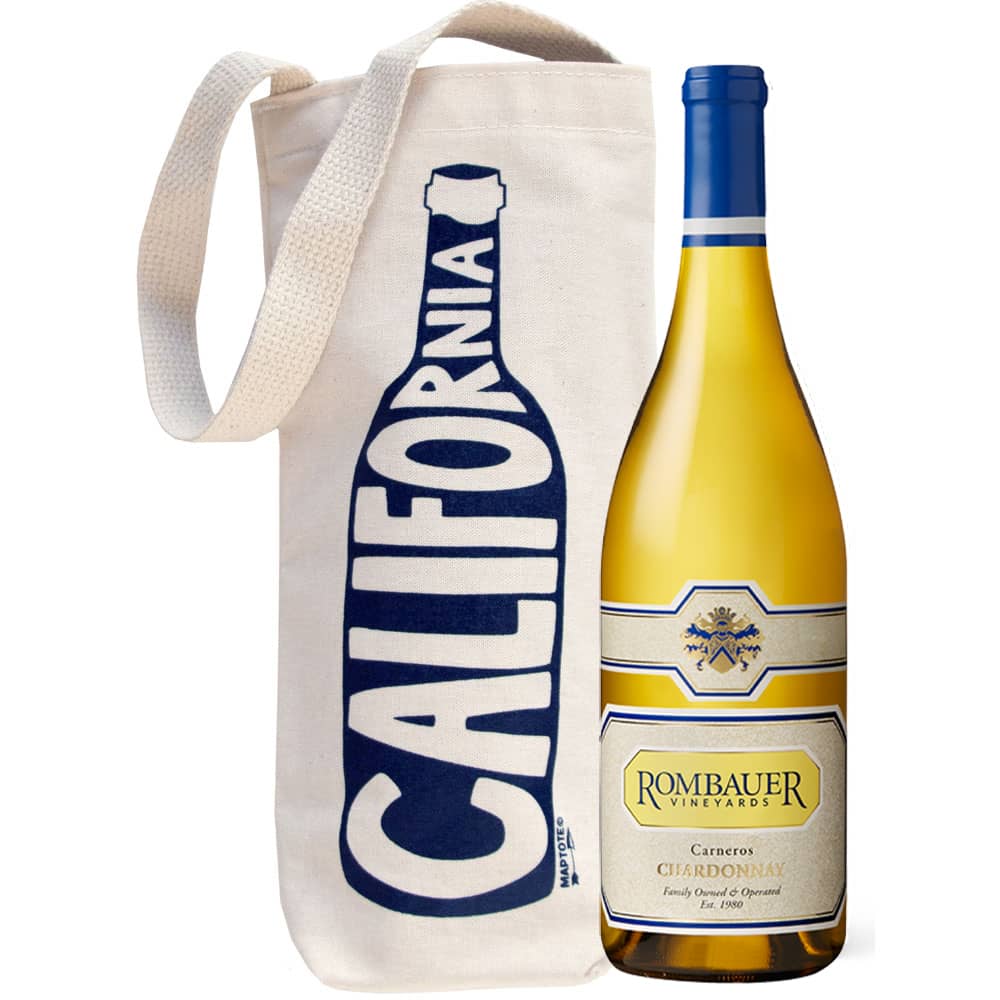
If you’re seeking something richer, Chardonnay stands out with its versatility. From oaked versions boasting buttery flavors to unoaked styles that deliver bright fruitiness, this grape can complement a wide range of dishes, including creamy pasta and roasted chicken.
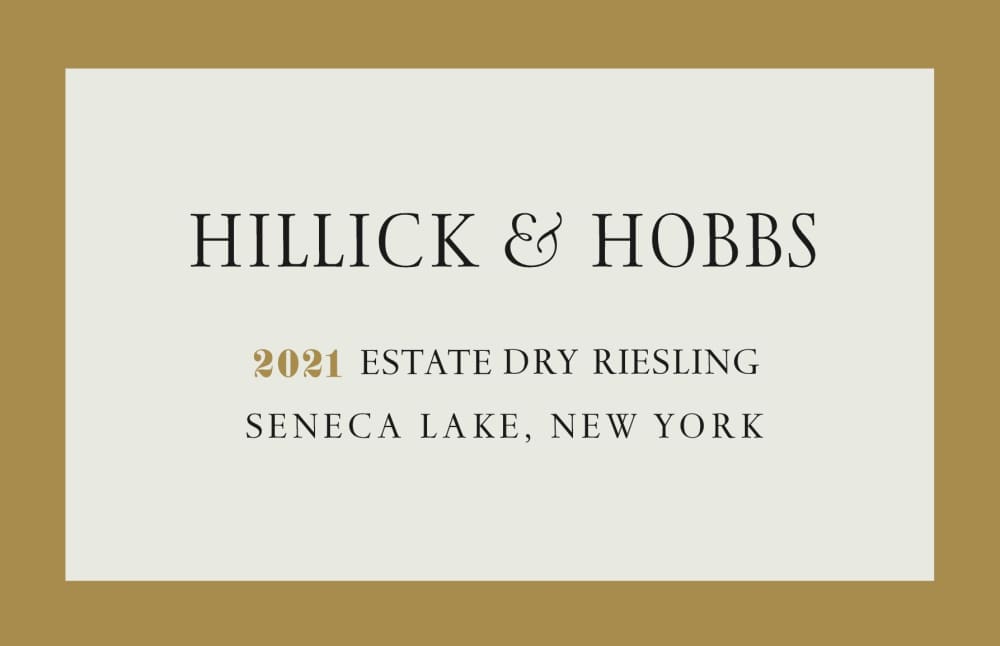
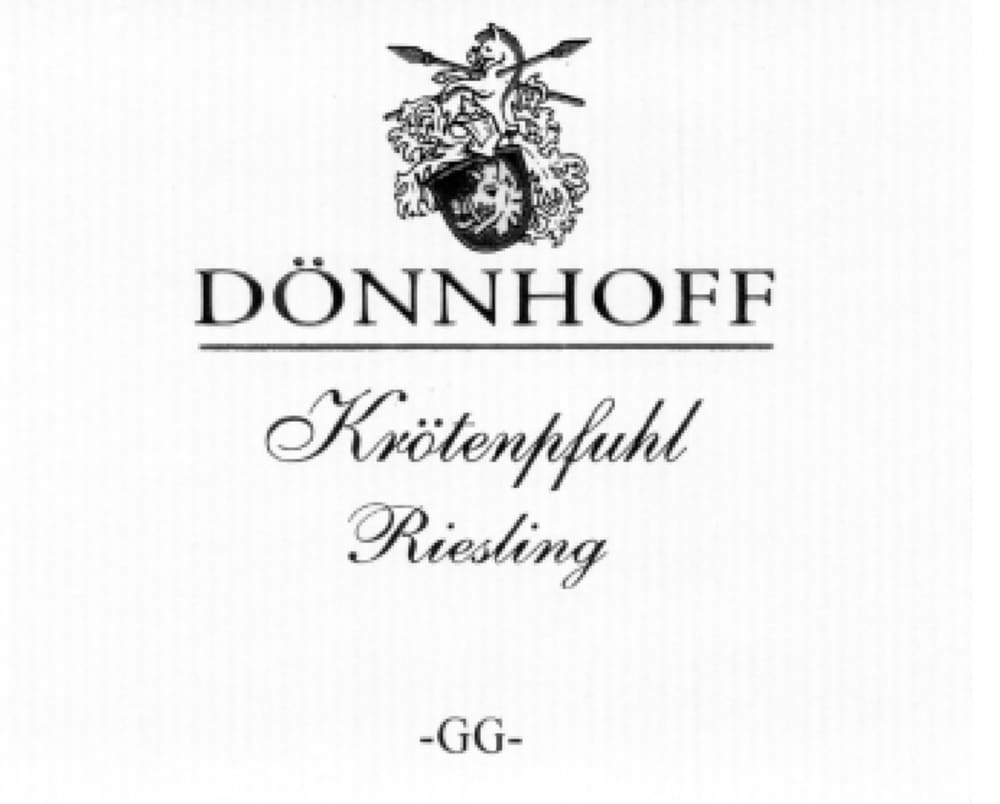
Riesling is another excellent choice, especially for those who enjoy a touch of sweetness. Its floral aromas and stone fruit flavors make it a delightful match for spicy Asian cuisine. Opt for a dry Riesling if you prefer less sweetness while retaining that aromatic complexity.
Pinot Grigio is perfect for those warm summer days. Known for its light body and crisp finish, it pairs beautifully with light appetizers and grilled vegetables. This variety is refreshing and easy to drink, making it ideal for casual gatherings.
Lastly, consider Albariño for a unique experience. Hailing from Spain, this grape is celebrated for its bright acidity and mineral notes. It pairs excellently with shellfish, making it a standout choice for seaside dining.
Understanding the Characteristics of Chardonnay
Chardonnay showcases a diverse flavor profile, making it a versatile choice for various occasions. When selecting this varietal, consider the following attributes:
- Aromas: Expect notes of green apple, pear, and citrus in cooler climates, while warmer regions yield tropical fruit scents like pineapple and banana.
- Body: Generally medium to full-bodied, the weight can vary based on vinification techniques.
- Acidity: Balances flavors, providing freshness. Look for higher acidity in cooler areas, promoting crispness.
- Oaking: The use of oak barrels can impart flavors of vanilla, butter, and toast. Unwooded versions highlight the grape’s fruity characteristics.
- Ageing Potential: Some Chardonnays develop complex flavors with time, especially those sourced from prestigious regions.
Pairing Chardonnay with food enhances its qualities. Recommended matches include:
- Seafood dishes, such as grilled salmon or shrimp.
- Poultry, especially roasted chicken or turkey.
- Rich, creamy pastas that complement its buttery texture.
- Soft cheeses, like Brie or Camembert, which harmonize with its flavors.
Exploring various styles of Chardonnay can lead to delightful discoveries, whether opting for a crisp, unoaked version or a complex, oaked selection. Each bottle tells a story of its origin, climate, and winemaking techniques.
The Unique Flavors of Sauvignon Blanc
Sauvignon Blanc captivates with its distinctive profile, offering a refreshing experience that stands out among its peers. This varietal is known for its bright acidity and aromatic complexity.
Flavor Profile
On the palate, Sauvignon Blanc typically showcases:
- Citrus notes like lime, lemon, and grapefruit
- Tropical fruits such as passion fruit and pineapple
- Herbaceous hints of green bell pepper, freshly cut grass, and sometimes even jalapeño
- Mineral undertones, which can vary based on the terroir
Regions such as Marlborough in New Zealand are celebrated for producing particularly intense and fruit-forward expressions, while Sancerre in France emphasizes a more subdued, mineral-driven style. I often gravitate towards the latter for its elegance and complexity.
Food Pairing Suggestions
When it comes to cuisine, Sauvignon Blanc excels with a variety of dishes:
- Seafood, especially shellfish and grilled fish
- Salads, particularly those featuring citrus or vinaigrettes
- Goat cheese, which complements its acidity
- Poultry, especially when prepared with herbs
For a delightful experience, I recommend serving this varietal chilled, allowing its crispness and aromatic qualities to shine. Each sip offers a unique glimpse into the terroir from which it hails, making Sauvignon Blanc a favorite in my collection.
Exploring the Sweetness of Riesling
If you seek a delightful balance of sweetness and acidity, Riesling is a remarkable choice. This varietal showcases a spectrum of sweetness levels, ranging from bone dry to lusciously sweet. The sweetness in Riesling primarily comes from residual sugar, which remains after fermentation. In regions like Germany, you’ll encounter classifications such as Kabinett, Spätlese, and Auslese, each indicating increasing sweetness levels. Kabinett offers a crisp, refreshing taste, while Spätlese and Auslese present richer, more concentrated flavors.
When enjoying a Riesling, consider the aromatic profile, which often includes notes of peach, apricot, and honey, complemented by floral undertones. These characteristics enhance the perception of sweetness, making even dryer styles appear fruit-forward. Pairing Riesling with spicy dishes, such as Thai or Indian cuisine, can elevate the experience, as the sweetness counterbalances the heat beautifully.
For those who appreciate dessert wines, look for late harvest Rieslings or Ice Wines, where grapes are picked at peak ripeness, allowing for an intensely sweet and complex flavor profile. These versions offer a decadent finish, perfect for a sweet ending to any meal.
The Crispness of Pinot Grigio Explained
Pinot Grigio stands out for its remarkable crispness, making it an excellent choice for those who enjoy refreshing wines. This varietal is characterized by high acidity, which contributes to its lively and zesty profile. When tasting, you’ll often experience bright notes of green apple, pear, and citrus, complemented by subtle floral hints.
The cool climate regions, especially in Italy and parts of Oregon, enhance the crispness. Grapes grown in these areas benefit from slower ripening, allowing for the preservation of acidity while developing complex flavors. I recommend trying a Pinot Grigio from the Alto Adige region for an exemplary expression of these traits.
For food pairings, the vibrant acidity of this wine complements seafood dishes remarkably well, particularly grilled fish or shellfish. Light salads with citrus-based dressings also pair beautifully, as the wine’s crispness cuts through the richness of the ingredients, enhancing the overall dining experience.
In terms of service, a temperature between 45°F and 50°F is ideal to fully appreciate its refreshing qualities. When poured, the aromas are invigorating, inviting you to indulge in another sip. I find that Pinot Grigio is perfect for summer gatherings, picnics, or simply enjoying on a warm afternoon.
Identifying the Traits of Viognier
Viognier captivates with its aromatic profile and rich texture. This varietal exhibits a range of characteristics that set it apart from others. I often note its expressive floral notes, reminiscent of jasmine and orange blossom, which create an inviting bouquet.
On the palate, flavors of stone fruits such as peach and apricot dominate, often accompanied by hints of tropical fruits like pineapple. This complexity is balanced by a refreshing acidity, making it a versatile choice for various pairings. I recommend enjoying a glass chilled to enhance its fruitiness and aromatic qualities.
The mouthfeel of Viognier is typically full-bodied, with a creamy texture that can be attributed to malolactic fermentation or aging in oak barrels. These factors contribute to a richer, more luscious experience. It’s important to pay attention to the vintage, as some years may present more pronounced characteristics than others.
| Characteristic | Description |
|---|---|
| Aroma | Floral notes, particularly jasmine and orange blossom |
| Flavor | Stone fruits like peach and apricot; tropical hints |
| Acidity | Refreshing, balancing the richness |
| Mouthfeel | Full-bodied, often creamy due to oak aging |
| Serving Temperature | Best enjoyed chilled |
Pairing Viognier with dishes like grilled chicken, seafood, or spicy Asian cuisine enhances its appeal. Its unique flavor profile complements a variety of foods, making it a delightful addition to any meal or gathering.
Pairing White Wines with Food: A Practical Guide
For a delightful experience, I recommend matching Chardonnay with roasted chicken or creamy pasta dishes. The wine’s buttery notes complement the richness of these meals beautifully.
Sauvignon Blanc shines alongside fresh seafood, especially grilled fish or oysters. Its acidity cuts through the flavors, enhancing the overall dining experience.
When indulging in spicy Asian cuisine, Riesling is my go-to choice. The sweetness of this varietal balances the heat, creating a harmonious combination.
For light salads and vegetable dishes, Pinot Grigio offers a refreshing pairing. Its crispness accentuates the freshness of the ingredients, making each bite more enjoyable.
Viognier pairs well with dishes featuring rich flavors, such as duck or pork. The aromatic profile enhances the meal’s complexity, adding depth to the flavors.
Experimenting with cheese can also yield fantastic results. I find that a chilled Chardonnay works wonderfully with aged cheeses, while a vibrant Sauvignon Blanc complements goat cheese perfectly.
For dessert, a late-harvest Riesling can elevate fruit tarts or cheesecake with its sweetness, creating a delightful finish to any meal.
Ultimately, the key is to consider the flavors and textures of both the food and the selected varietal. This thoughtful pairing can transform an ordinary meal into an extraordinary culinary experience.