Chuck Furuya
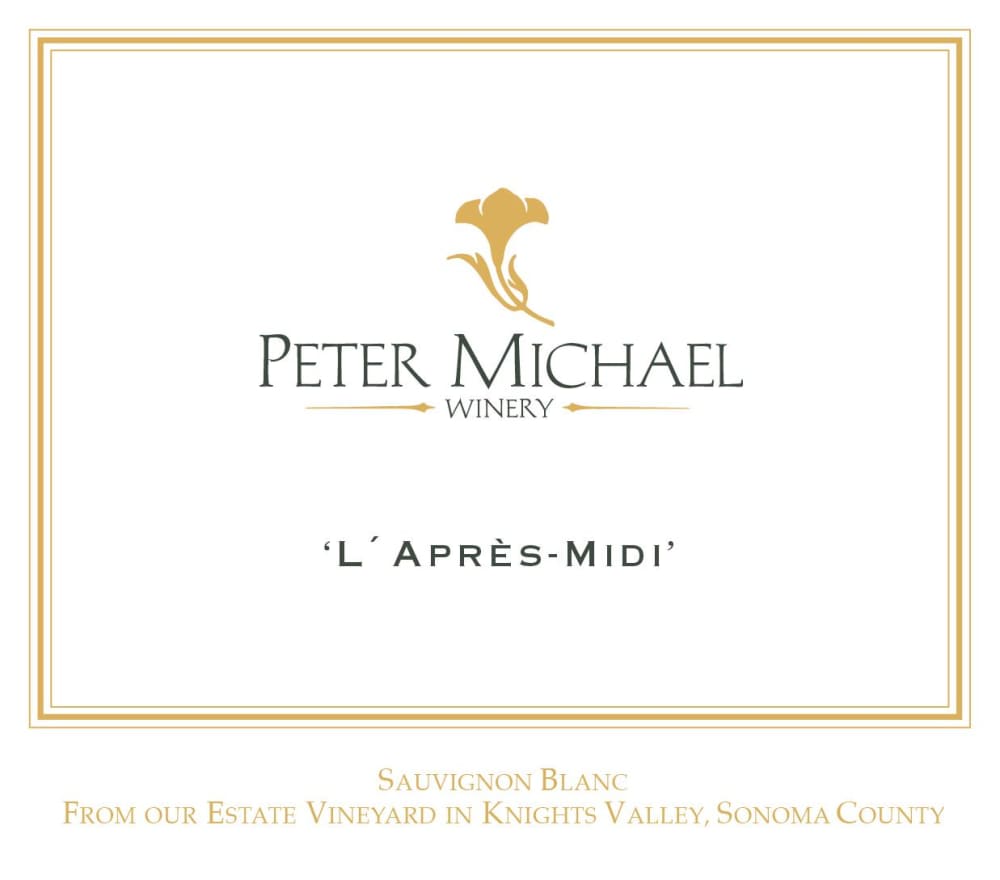
For those seeking a refreshing drink, I recommend exploring Sauvignon Blanc, known for its crisp acidity and vibrant citrus flavors. This variety pairs exceptionally well with seafood and salads, enhancing the dining experience with its zesty profile.
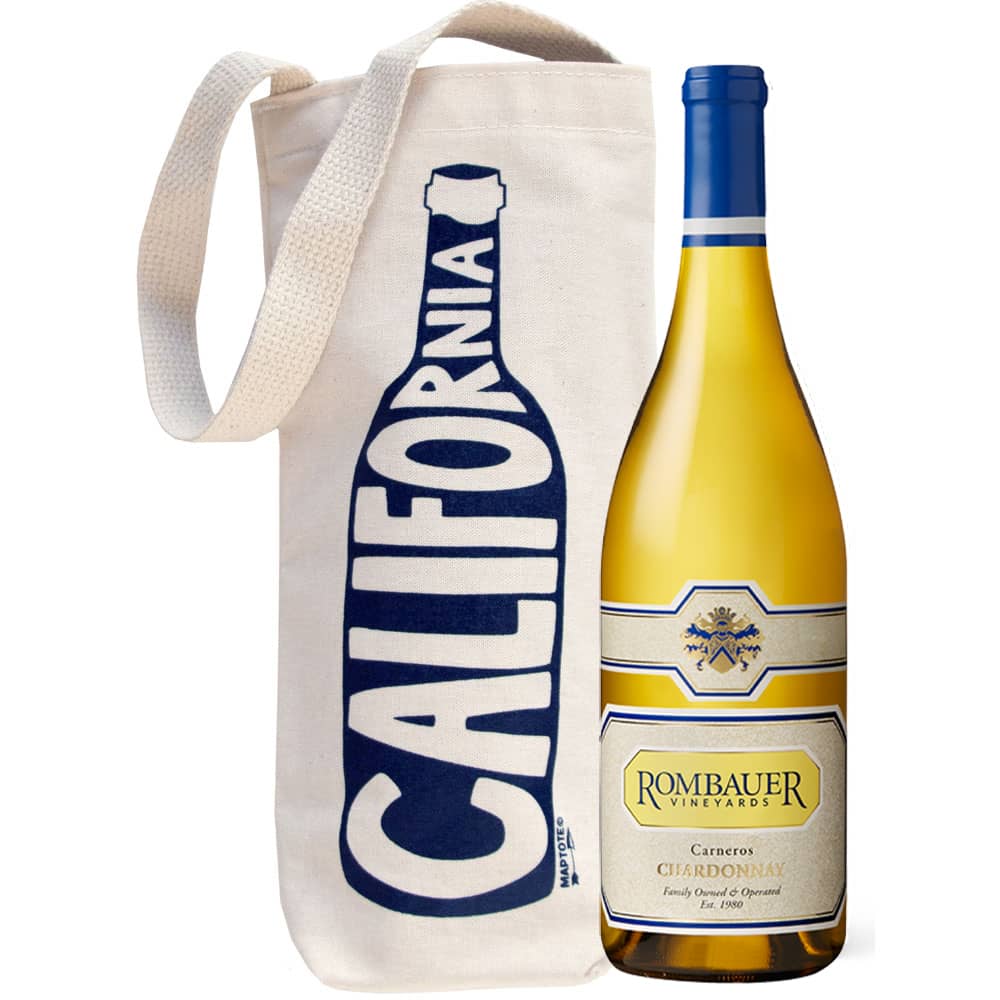
Chardonnay stands out with its versatility, offering a range from buttery, oak-aged versions to bright, unoaked styles. This adaptability makes it suitable for various palates and dishes, from creamy pastas to grilled chicken.
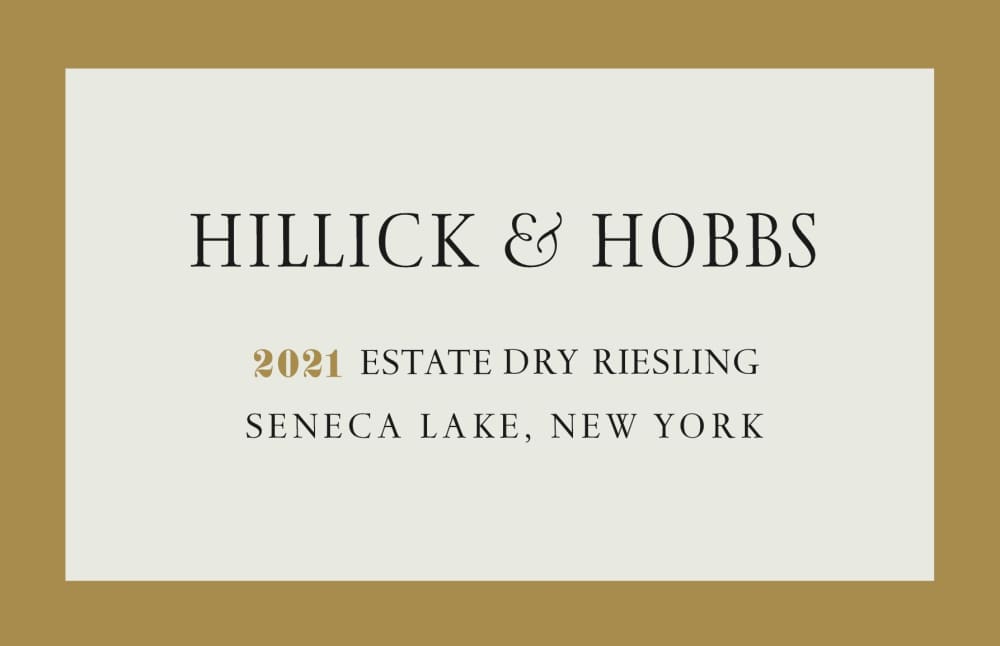
Another noteworthy selection is Riesling, often characterized by its floral notes and sweetness. Whether enjoyed alone or alongside spicy Asian cuisine, this variety provides a delightful contrast that elevates any meal.

Lastly, I suggest Pinot Grigio for those who prefer a lighter, more delicate option. Its subtle flavors and crisp finish make it an ideal choice for warm weather gatherings or casual sipping.
Crisp and Refreshing: Exploring Sauvignon Blanc
Sauvignon Blanc stands out with its invigorating acidity and distinct flavors. This varietal is a go-to for those who appreciate a zesty and aromatic sip.
Flavor Profile
Typical characteristics include:
- Citrus notes such as lime, grapefruit, and lemon
- Green apple and pear undertones
- Herbaceous hints of bell pepper and freshly cut grass
- Mineral qualities, especially in cooler regions
Food Pairings
Ideal companions for Sauvignon Blanc include:
- Seafood dishes, particularly shellfish and grilled fish
- Salads with vinaigrette dressings
- Cheese, especially goat cheese and feta
- Light pasta dishes, including those with pesto or green sauces
Regions like Marlborough in New Zealand and the Loire Valley in France produce some of the finest examples, showcasing the varietal’s versatility and expression. Whether enjoyed chilled on a sunny day or paired with a light meal, the freshness of Sauvignon Blanc is refreshing and delightful.
Rich and Creamy: Understanding Chardonnay Variants
For those seeking a luxurious experience, Chardonnay offers an array of variants that embody richness and creaminess. The key to appreciating these wines lies in their terroir and vinification methods. Oak aging is a common practice that imparts a buttery texture and notes of vanilla, which many enthusiasts crave.
Key Regions Producing Creamy Chardonnay
Notable regions known for producing rich Chardonnays include:
| Region | Characteristics |
|---|---|
| Burgundy, France | Complex flavors with minerality; often undergoes malolactic fermentation for a creamy mouthfeel. |
| Napa Valley, USA | Full-bodied with tropical fruit notes; frequently aged in new oak barrels for added richness. |
| Australia | Ripe fruit profiles with a creamy texture; often showcases a balance of oak and acidity. |
Tasting Notes and Pairing Suggestions
When tasting these Chardonnays, expect flavors ranging from ripe peaches and melons to toasty oak and butter. The mouthfeel is often round and velvety, making them perfect companions to rich dishes. Pair with creamy pastas, lobster, or even a classic risotto for an elevated dining experience.
Embrace the diversity within Chardonnay; each bottle tells a unique story influenced by its origin and production methods. The exploration of these variants can lead to delightful discoveries, enhancing your palate and appreciation for this beloved grape.
Aromatic and Floral: The Charm of Riesling
I highly recommend Riesling for its captivating bouquet and refreshing taste profile. This varietal stands out with its pronounced aromas of jasmine, honeysuckle, and citrus fruits. The complexity of Riesling can range from bone-dry to lusciously sweet, making it versatile for various occasions.
<p.For food pairing, opt for spicy Asian dishes or rich cheeses. The acidity in Riesling balances heat beautifully, while its sweetness complements creaminess. For a perfect match, try a dry Riesling with Thai green curry or a sweet late-harvest variant alongside blue cheese.
<p.Aging potential is another highlight. A well-crafted Riesling can develop intriguing petrol notes over time, enhancing its aromatic profile. Consider cellaring a few bottles if you enjoy the evolution of flavors.
<p.Exploring different regions can offer unique expressions. German Rieslings are known for their minerality, while those from Alsace often showcase a more robust character. Australian Rieslings, particularly from Clare Valley, deliver intense fruit flavors with crisp acidity.
<p.In summary, Riesling’s aromatic allure and adaptability make it a standout choice for both casual sipping and gourmet dining experiences. Enjoy the journey through its diverse styles and flavors!
Light and Fruity: Discovering Pinot Grigio
Pinot Grigio stands out for its refreshing and crisp characteristics, making it a perfect choice for warm weather or light meals. This varietal typically presents flavors of green apple, pear, and citrus, complemented by a subtle floral aroma. If you’re in search of a delightful pairing, consider enjoying it with seafood dishes, light salads, or even spicy Asian cuisine.
Regions such as Italy, particularly the northeastern areas like Veneto and Friuli-Venezia Giulia, produce some of the finest examples. Italian Pinot Grigio tends to be more vibrant and zesty, while those from regions like Oregon may exhibit a fuller body and richer texture, often with hints of stone fruits.
When selecting a bottle, opt for a recent vintage to fully appreciate its youthful and lively nature. Look for labels that indicate “dry” if you prefer a less sweet profile. Serve chilled, around 45-50°F, to enhance its refreshing qualities.
For a unique experience, try a Pinot Grigio that has undergone skin contact during fermentation, resulting in a deeper color and more complex flavor profile. This style can introduce intriguing notes of berry and spice, setting it apart from the typical offerings.
Overall, Pinot Grigio is an excellent choice for those seeking a light, fruity, and easy-drinking option that doesn’t compromise on flavor. Treat yourself to a glass, and enjoy its delightful simplicity.