Chuck Furuya

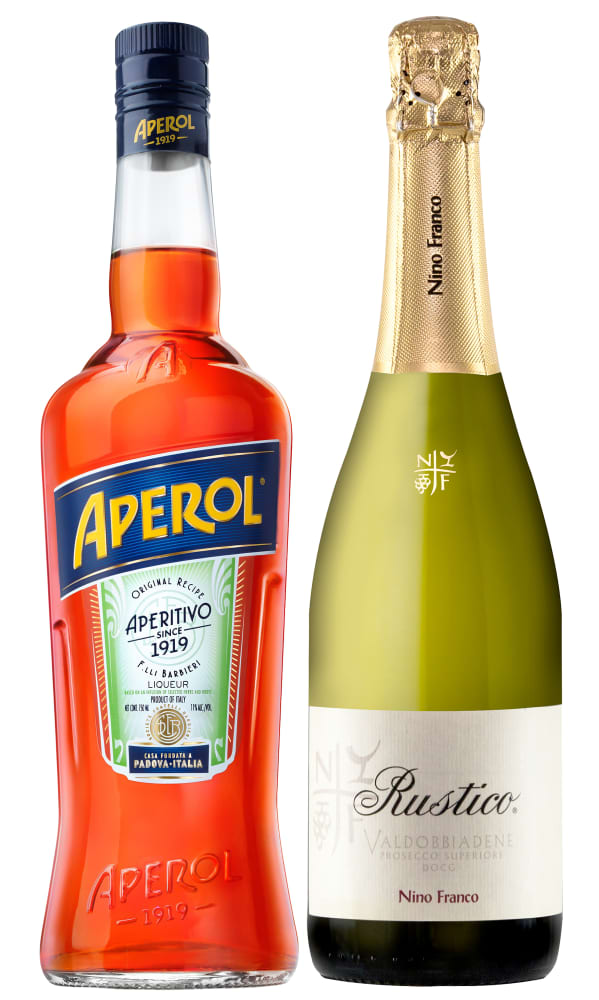
For those seeking a refreshing bubbly experience, I recommend trying Prosecco, a delightful Italian offering. This sparkling beverage stands out due to its unique production method and flavor profile, primarily originating from the Glera grape. You’ll notice its light, fruity notes, often featuring apple, peach, and floral undertones. Prosecco is typically made using the Charmat method, which allows for a lively, frothy character.
In contrast, other effervescent drinks can vary significantly in taste and style. Many of these are produced using traditional methods, resulting in more complex flavors and a creamier texture. They often showcase a broader range of grapes and regions, leading to diverse tasting experiences. Depending on your palate, you might prefer the elegance of a classic sparkling option over the approachable charm of Prosecco.
When selecting a bubbly for your next gathering or personal enjoyment, consider what occasion you’re celebrating. Prosecco shines as a versatile choice for casual brunches or light appetizers, while other styles may elevate a formal dinner. Exploring these distinctions helps enhance your appreciation for each type’s unique qualities and allows for a more tailored tasting experience.
Understanding the Production Methods of Sparkling White Wine
To appreciate the nuances of bubbly beverages, it’s essential to grasp how they’re crafted. The two primary techniques used for creating effervescence are the traditional method (Méthode Champenoise) and the Charmat method.
Traditional Method
This approach involves secondary fermentation occurring in the bottle. Initially, base wine undergoes primary fermentation, followed by the addition of sugar and yeast. This mixture, called liqueur de tirage, is bottled and sealed, allowing fermentation to produce carbon dioxide, which gets trapped, creating bubbles. After aging, sediment is removed through a process called disgorgement, and the bottle is topped up with a mixture of wine and sugar (dosage) to balance acidity and sweetness.
Charmat Method
In contrast, the Charmat method conducts secondary fermentation in large stainless steel tanks. This method allows for a quicker production cycle, maintaining the fresh and fruity character of the base wine. After fermentation, the wine is filtered and bottled under pressure. This technique is commonly used for producing lighter, more approachable styles.
Understanding these production techniques not only enhances appreciation but also guides selection based on personal taste preferences. Each method imparts distinct characteristics that define the final product, influencing flavor profiles and overall experience.
Key Grape Varieties Used in Prosecco Production
For high-quality Prosecco, the primary grape variety is Glera. This white grape, formerly known as Prosecco, gives the wine its characteristic fruity and floral aromas, making it the backbone of many Prosecco blends. Typically, Glera accounts for at least 85% of the blend in DOC and DOCG wines.
Additionally, a few other grape varieties can complement Glera. Verdiso contributes crispness and freshness, while Perera adds a touch of rich fruitiness. Pinot Grigio and Chardonnay are also permitted in smaller amounts, enhancing the complexity and depth of flavor.
When selecting Prosecco, I recommend looking for labels that specify the grape composition. Understanding these varietals can help identify the style and flavor profile that best suits your palate.
Tasting Notes: How Sparkling White Wine Differs from Prosecco
When I taste a fizzy beverage from Italy, I often notice distinct characteristics that set it apart from other effervescent varieties. Prosecco typically presents a bouquet of ripe fruit, especially pear and apple, with a hint of floral notes. This refreshing profile is usually accompanied by a crisp acidity that enhances its drinkability.
In contrast, other effervescent options can vary widely. For instance, a classic Champagne or Cava might exhibit richer flavors of brioche or almond due to the aging process and production methods used. These beverages often display a more complex palate, showcasing nuances of citrus and stone fruits, alongside toasty sensations from extended maturation in the bottle.
Prosecco’s bubbles are generally lighter and frothier, creating a lively mouthfeel. This is due to the Charmat method employed during its production, which encourages a fresher, fruit-forward style. Conversely, traditional methods yield finer bubbles with a creamier texture, adding depth to the tasting experience.
On the sweetness scale, I find Prosecco frequently leans towards the off-dry side, making it an excellent choice for those who enjoy a slightly sweeter profile. Other sparkling varieties might range from brut to doux, providing an array of options for different palates. Knowing these flavor distinctions can significantly enhance the enjoyment of each sip.
In summary, while I appreciate the vibrant and fruity nature of Prosecco, I also enjoy exploring the complex profiles offered by various effervescent selections. Each glass tells its own story, influenced by the grapes, methods, and terroirs that shape them.
Alcohol Content: Comparing Sparkling White Wine and Prosecco
When assessing alcohol levels, I find it useful to note that both effervescent beverages typically fall within a similar range. Generally, the alcohol by volume (ABV) for these drinks hovers between 10% and 12.5%. However, some variations exist that can influence the final percentage.
Alcohol Levels in Prosecco
Prosecco tends to have a more standardized ABV, usually around 11% to 12%. This consistency is largely due to its controlled production process, which emphasizes freshness and fruitiness. The higher sugar content in some Proseccos can lead to a slightly elevated alcohol level, but it remains within the moderate range.
Alcohol Concentration in Sparkling Variants
In contrast, other bubbly options can exhibit a broader spectrum of alcohol content. For instance, traditional methods, like those used in producing Champagne, may yield wines with ABV levels from 12% to 13.5%. Here are some examples:
- Cava: Typically around 11.5% to 12.5% ABV.
- Franciacorta: Often ranges from 12% to 13% ABV.
- American sparkling wines: Can vary widely, generally from 11% to 14% ABV.
When selecting a bottle, I recommend checking the label for the exact ABV if alcohol content is a crucial factor for your enjoyment or dietary preferences. Whether opting for Prosecco or another bubbly, understanding these distinctions allows for informed choices tailored to personal taste and occasion.
Food Pairing Recommendations for Sparkling White Wine
Pairing seafood with this effervescent drink creates a delightful experience. Consider grilled prawns, oysters, or a fresh ceviche for a refreshing match.
For poultry dishes, a crisp option complements roasted chicken or duck with orange glaze beautifully. The acidity balances the richness of the meat.
Cheese lovers should explore options like goat cheese or creamy Brie. These selections enhance the fruity notes found in bubbly beverages.
Salads with citrus dressings pair well, especially those featuring ingredients like arugula or fennel. The zesty flavors amplify the wine’s brightness.
Light pasta dishes, particularly those with a lemon or cream sauce, harmonize with the acidity and texture of this beverage.
For dessert, consider pairing with fruit tarts or sorbets. These options accentuate the natural sweetness and bubbles, creating a satisfying conclusion to a meal.
- Seafood: Grilled prawns, oysters, ceviche
- Poultry: Roasted chicken, duck with orange glaze
- Cheese: Goat cheese, Brie
- Salads: Citrus dressings, arugula, fennel
- Pasta: Lemon or cream sauce
- Desserts: Fruit tarts, sorbets