
 Chuck Furuya
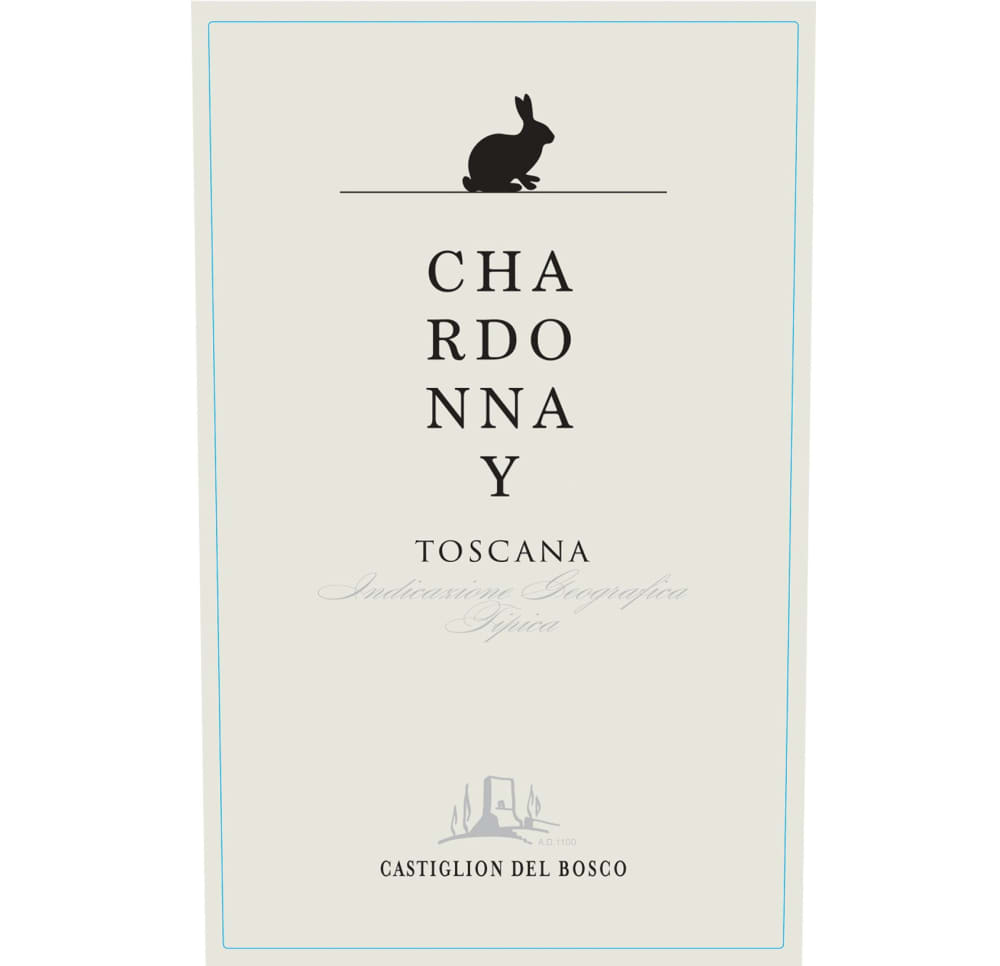

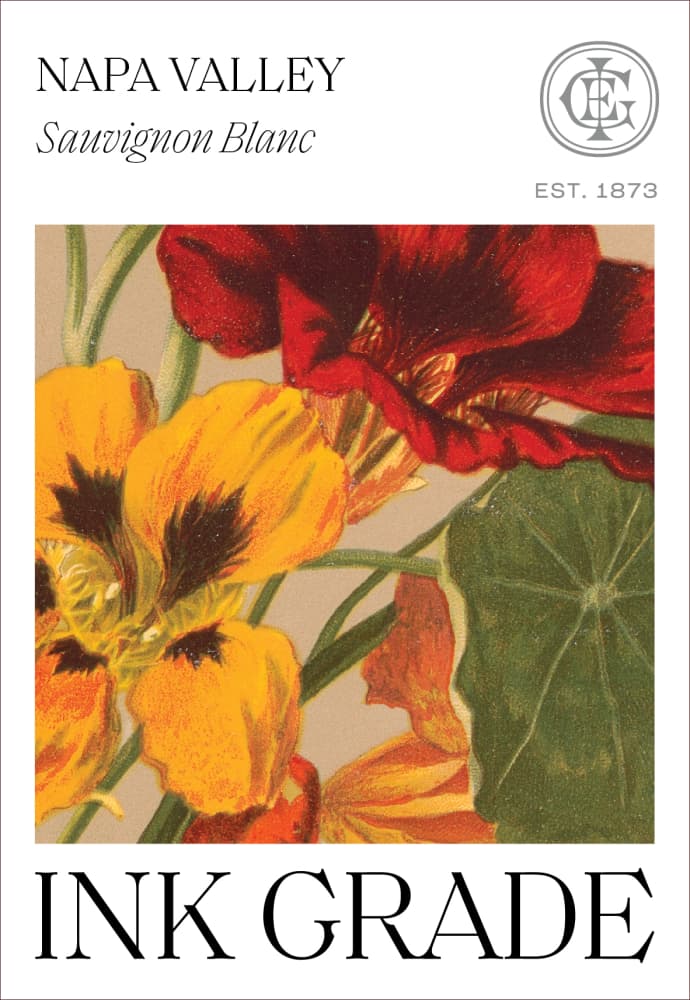

If you’re seeking options that offer crispness and complexity without the sweetness, I recommend focusing on Sauvignon Blanc, Pinot Grigio, and Chardonnay. Each of these selections presents a unique profile that enhances various culinary experiences.
Sauvignon Blanc is renowned for its zesty acidity and vibrant flavors, often featuring notes of green apple, lime, and fresh herbs. Originating from regions like New Zealand and the Loire Valley, it pairs beautifully with seafood and salads, making it an ideal choice for warm weather dining.
Pinot Grigio, particularly from Italy, delivers a refreshing and light character with hints of pear and white peach. This varietal is perfect for casual gatherings and complements light pasta dishes or antipasti platters superbly.

Chardonnay can vary significantly based on its origin and production methods. Opt for unoaked versions from cooler climates for bright citrus flavors and minerality. This style suits rich foods like roasted chicken or creamy sauces, providing a balanced contrast.
Choosing Dry Options in Light-Colored Varietals
Chardonnay stands out as a prime choice for those preferring a crisp experience. Its unadulterated form often showcases vibrant acidity with mineral undertones, particularly from cooler climates like Chablis. I find that oak-aged versions offer a richer profile, yet maintain the dry characteristic.
Sauvignon Blanc, especially from regions like Sancerre and Marlborough, delivers refreshing acidity alongside herbal and citrus notes. The zesty finish makes it an excellent pairing with seafood and salads.
Exploring Lesser-Known Selections
Vermentino provides a unique alternative, with its bright acidity and hints of green apple and aromatic herbs. This varietal shines in Mediterranean dishes, complementing a variety of flavors without introducing sweetness.
Grüner Veltliner, often overlooked, offers a delightful peppery spice and a crisp finish. It pairs beautifully with Asian cuisine, making it a versatile option for those who enjoy a drier palate.
Exploring Dry White Wine Varieties
For those seeking crisp and refreshing options, I recommend several varieties that deliver on dryness and complexity.
Sauvignon Blanc
This grape thrives in cooler climates, offering zesty acidity and vibrant citrus notes. Look for bottles from New Zealand or the Loire Valley in France for a grassy and herbal profile that pairs excellently with seafood and salads.
Chardonnay
Often misunderstood, Chardonnay can exhibit a broad range of flavors. Opt for unoaked versions from Chablis or Macon for a clean and mineral-driven experience. These selections provide apple and pear characteristics without the buttery notes typically associated with oak aging.
- Pinot Grigio: Known for its light body and bright acidity, this choice often features flavors of green apple and pear, making it a versatile option for various dishes.
- Albariño: Originating from Spain, this grape offers a refreshing profile with stone fruit and floral notes. It’s perfect for pairing with shellfish.
- Vinho Verde: A Portuguese specialty, this wine is light, with a slight effervescence and flavors of lime and green melon, ideal for warm weather enjoyment.
Each of these selections presents a unique tasting experience that highlights the diverse expressions of dryness in this category. Enjoy exploring these options and discovering your favorites!
Identifying Crisp and Fresh Options
To pinpoint invigorating and refreshing selections, I focus on varietals known for their acidity and bright flavors. Sauvignon Blanc stands out with its zesty notes of citrus and green apple, making it a favorite for those seeking a clean finish. Look for bottles from regions like Marlborough in New Zealand or the Loire Valley in France for an optimal experience.
Another excellent choice is Pinot Grigio, particularly from Italy. Its light body and crisp profile offer notes of pear and lemon, perfect for warm weather sipping. I often recommend exploring options from Friuli-Venezia Giulia for their exceptional clarity and freshness.
For a more unique experience, I turn to Gruner Veltliner. This Austrian varietal presents a distinctive peppery finish coupled with vibrant acidity, which keeps the palate lively. Seek out producers from the Wachau region for a truly refreshing taste.
Chablis, a Chardonnay from Burgundy, offers a mineral-driven flavor without the heaviness often associated with oaked versions. Its steely character and notes of green apple and flint provide a crisp alternative that pairs beautifully with seafood.
Lastly, I can’t overlook Albariño from Spain. Its bright acidity and stone fruit flavors make it an ideal companion for shellfish and light dishes. The Rías Baixas region is renowned for producing exceptional examples that boast both freshness and complexity.
Understanding the Role of Acidity in White Wines
Acidity plays a pivotal role in defining the character of certain beverages. A balanced acidity enhances the refreshing nature and creates a crisp profile, often making the taste more appealing. High acidity can impart a zesty quality, invigorating the palate and complementing food pairings effectively.
Key Characteristics of Acidity
There are three primary acids found in these beverages: tartaric, malic, and citric. Tartaric acid contributes to the structure and stability, while malic acid provides a green apple-like tartness. Citric acid adds brightness, enhancing the overall freshness. The interplay of these acids results in a complex flavor profile, making the experience more dynamic.
Impact on Taste and Pairing
When tasting, I often notice how the acidity can balance the flavors, reducing the perception of sweetness. This characteristic is particularly important when pairing with food; the sharpness can cut through rich dishes, making it a versatile choice for various cuisines. For instance, a high-acid selection pairs beautifully with seafood, while a moderate acidity complements creamy pasta dishes.
Understanding the balance of acidity not only enriches the tasting experience but also guides selections for specific meals or occasions. A keen awareness of acidity levels can lead to discovering a refreshing selection that aligns perfectly with personal preferences and culinary delights.


