Chuck Furuya

I recommend exploring the nuances of pale grape beverages if you’re looking to enhance your palate. A key distinction lies in sugar content, which significantly impacts taste and pairing options. A beverage with minimal residual sugar offers a crisp, refreshing experience, ideal for seafood or light salads.
On the other hand, a sweeter variant can provide a richer, fruitier profile, making it a delightful companion for desserts or spicy dishes. It’s essential to check labels or inquire at your local shop to ensure you select the right type for your meal or occasion.

Additionally, consider the production methods. Fermentation processes can influence flavor complexity and aroma, leading to unique tasting experiences. Experimenting with different styles will not only broaden your appreciation but also enhance your dining experiences.
Understanding Dry White Wine Characteristics
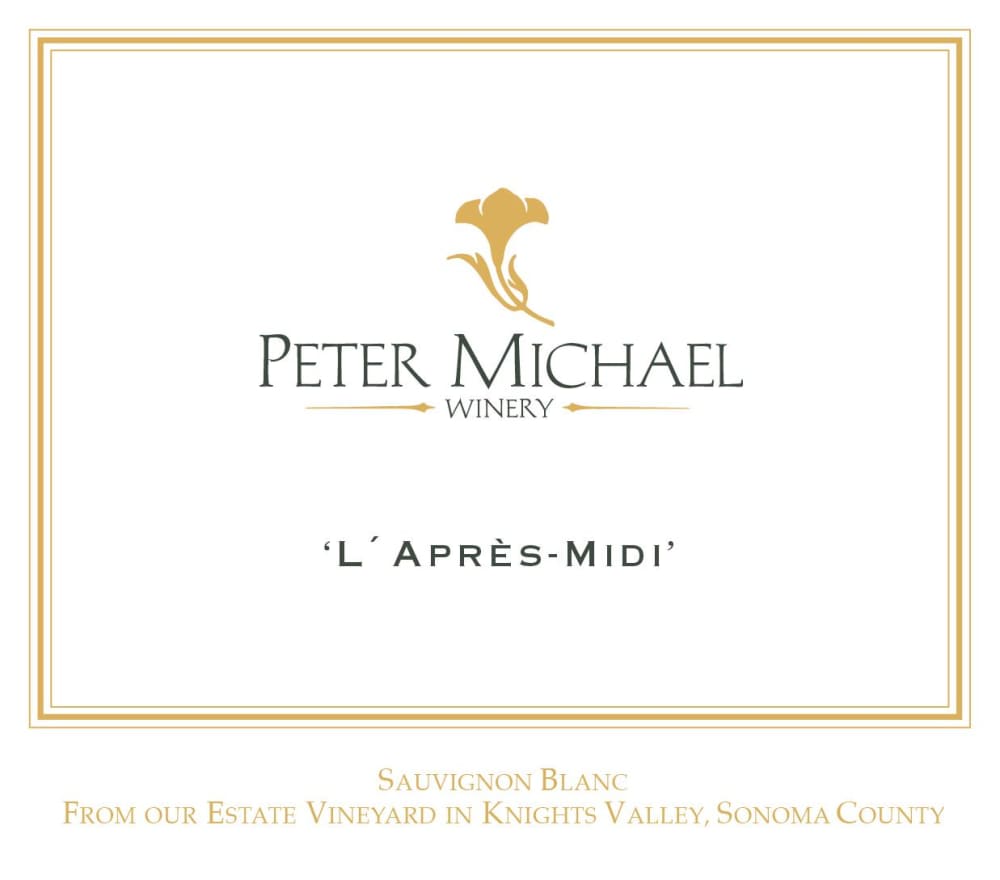
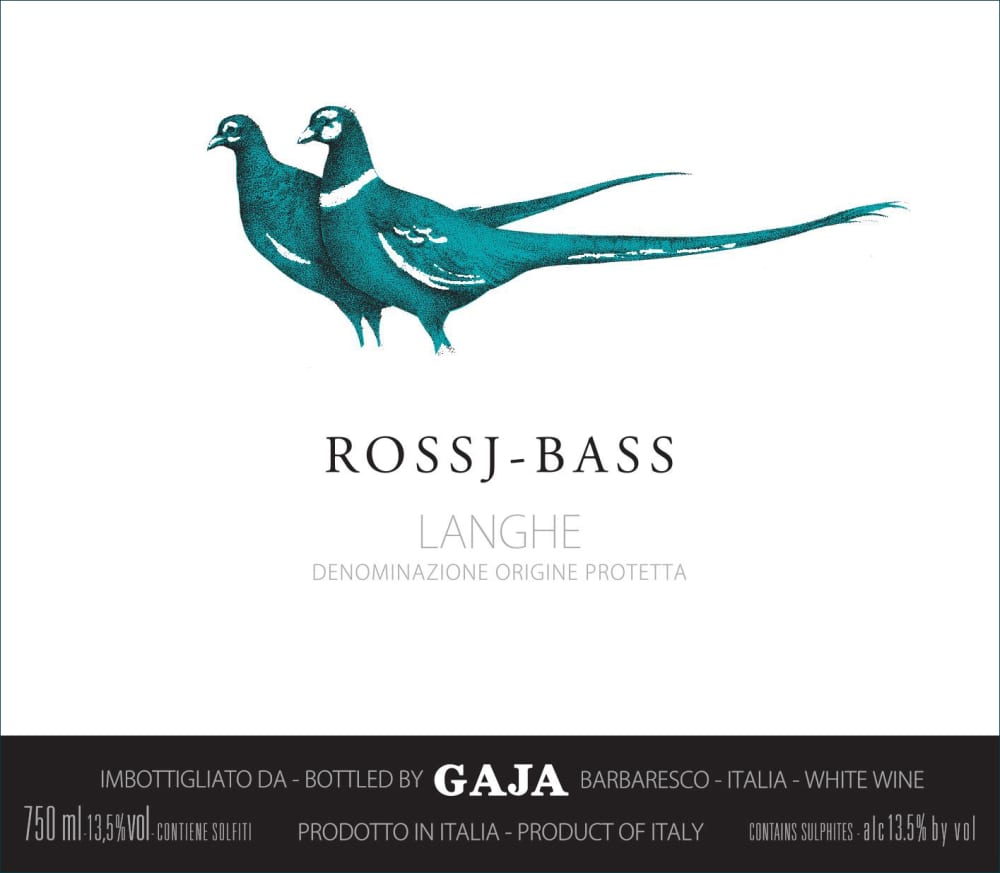
Focusing on specific traits, I appreciate the crisp acidity and refreshing qualities found in these beverages. These characteristics often stem from the grape varieties used, such as Sauvignon Blanc, Chardonnay, or Pinot Grigio. Each variety contributes unique flavor profiles, from zesty citrus to subtle floral notes.
Aroma and Flavor Profile
Aromatic compounds play a crucial role in defining the experience. Common scents include:
- Citrus fruits (lemon, lime, grapefruit)
- Green apple and pear
- Herbaceous notes (grass, bell pepper)
- Mineral undertones (wet stone, chalk)
Tasting often reveals a balance of acidity and fruitiness, with some varietals presenting a more pronounced mineral quality. I find that these elements create a refreshing and invigorating palate experience.
<h3.Food Pairings
Pairing these beverages with food enhances the overall enjoyment. I recommend considering the following combinations:
- Seafood dishes, such as grilled fish or shrimp
- Poultry, particularly roasted chicken or turkey
- Fresh salads with vinaigrette dressings
- Light pasta dishes with cream or pesto sauces
These combinations allow acidity to cut through richness, while complementary flavors elevate both the food and drink. Exploring various pairings can lead to delightful discoveries and enhance my dining experiences.
Identifying Sweetness Levels in White Wine
To determine sweetness levels in a glass of chilled beverage, I rely on several key indicators. First, I assess the nose. Aromas of ripe fruits, such as peaches, apricots, or honey, often hint at higher sugar content. A more mineral or citrus-focused bouquet typically suggests a drier profile.
Next, the taste reveals much. I take a small sip, allowing the liquid to coat my palate. If I experience a sugary sensation lingering on my tongue, it indicates residual sugars, pointing to a sweeter variant. A crisp, refreshing finish usually signifies a less sugary composition.
Label Insights
Examining labels is also crucial. Terms like “off-dry” indicate a small amount of residual sugar, while “semi-sweet” or “sweet” explicitly define higher sugar levels. Additionally, knowing the varietal can help; certain grapes, like Riesling or Moscato, are renowned for their sweetness, whereas others, like Sauvignon Blanc or Pinot Grigio, lean towards drier styles.
Regional Considerations
Region plays a significant role as well. Wines from warmer climates often exhibit more natural sugars due to higher ripeness, while cooler climates produce crisper, drier options. Familiarizing myself with these regional characteristics enhances my ability to identify sweetness accurately.
By combining these observations, I can confidently evaluate sweetness levels in any glass, enhancing my overall tasting experience.
Food Pairing Tips for Dry vs. Regular White Wine
For a crisp, refreshing varietal, I recommend pairing it with seafood dishes such as grilled shrimp or baked fish. The acidity complements the natural flavors of the ocean, enhancing the overall dining experience.
When enjoying a sweeter option, consider serving it with dishes featuring fruit-based sauces or desserts like tarts and cheesecakes. The harmony between sweetness levels will elevate both the food and beverage.
For creamy pastas, a fuller-bodied choice works wonders. The richness of the dish balances nicely with the wine’s structure, creating a delightful combination.
Salads with citrus dressings are best accompanied by a zesty variety. The bright notes of the salad will be enhanced, making for a refreshing meal.
For spicy foods, opt for a sweeter selection. This pairing helps to soften the heat, allowing the flavors to shine through without overwhelming the palate.
Finally, pairing cheese with a light, crisp option is a fantastic choice. Soft cheeses like Brie or goat cheese complement the acidity, while a creamier cheese matches well with the fuller-bodied type.
Winemaking Techniques Impacting Wine Types
I have observed that fermentation methods significantly influence the final product’s profile. For instance, temperature-controlled fermentation often enhances aromatic qualities, producing a fresh and fruity profile. In contrast, warmer fermentation can yield deeper, more complex flavors.
Malolactic Fermentation
This secondary fermentation process converts harsher malic acid into softer lactic acid, smoothing out the taste. Many producers apply this technique to achieve a creamy texture, especially in certain styles. It’s a common practice for those seeking a more rounded mouthfeel, particularly in chardonnays.
Aging Processes
The choice of aging vessel also plays a crucial role. Aging in stainless steel retains crispness and purity, while oak barrels impart depth and richness. Additionally, the duration of aging affects flavor nuances–shorter periods can preserve brightness, whereas longer aging may introduce complex notes like vanilla or spice.
Understanding these techniques allows me to appreciate how winemakers create distinct styles and flavors, tailoring their products to suit various preferences and occasions.
Popular Varieties of Dry and Standard White Wines
For those seeking distinct flavors, I recommend exploring these popular types of wines. Each variety offers a unique tasting experience, catering to different preferences.
| Variety | Tasting Notes | Origin |
|---|---|---|
| Sauvignon Blanc | Crisp, citrusy, with green apple and herbaceous notes. | France (Loire Valley), New Zealand |
| Chardonnay | Rich, buttery, often with flavors of tropical fruit and vanilla. | France (Burgundy), California |
| Pinot Grigio | Light, crisp, with hints of pear and melon. | Italy, Alsace (France) |
| Riesling | Floral, with notes of peach, apricot, and honey; varies from dry to sweet. | Germany, Alsace (France) |
| Viognier | Aromatic, with flavors of stone fruit and floral notes. | France (Rhône Valley), Australia |
When selecting, consider personal taste preferences. For a refreshing and zesty experience, Sauvignon Blanc excels. If richness is desired, Chardonnay stands out. Pinot Grigio offers lightness, while Riesling adds a touch of sweetness when preferred. Viognier is ideal for aromatic flavor enthusiasts.
Each of these selections pairs beautifully with various dishes, enhancing the overall dining experience. Experimenting with different varieties can uncover delightful combinations tailored to individual palates.
FAQ:
What distinguishes dry white wine from other types of white wine?
Dry white wine is characterized by its low residual sugar content, which results in a less sweet taste. In contrast, other types of white wine may have varying levels of sweetness, ranging from off-dry to sweet. The difference lies primarily in the fermentation process, where dry wines undergo complete fermentation that converts most sugars into alcohol, while sweeter wines retain some sugars after fermentation.
Can you explain the taste differences between dry white wine and sweet white wine?
Dry white wines typically have a crisp and refreshing taste profile, often featuring notes of citrus, green apple, and mineral characteristics. Sweet white wines, on the other hand, tend to have a richer, more syrupy flavor with notes of honey, ripe fruits, or even floral elements. The sweetness in sweet wines can also enhance the perception of acidity, giving them a different mouthfeel compared to dry wines.
What are some popular varieties of dry white wine?
Some well-known varieties of dry white wine include Sauvignon Blanc, Chardonnay, and Pinot Grigio. Sauvignon Blanc is known for its zesty acidity and herbal notes, while Chardonnay can range from crisp and citrusy to rich and buttery, depending on how it is aged. Pinot Grigio often presents with light and refreshing flavors, making it a popular choice for those new to dry white wines.
How should dry white wine be served for the best experience?
Dry white wine is best served chilled, typically between 45°F and 55°F (7°C to 13°C). This temperature enhances its crispness and acidity. Using a proper wine glass can also enhance the experience, as it allows for better aeration and aroma appreciation. Pairing dry white wine with food can elevate the tasting experience; it often complements seafood, poultry, and light pasta dishes very well.
Are there any food pairings that work particularly well with dry white wine?
Yes, dry white wines pair wonderfully with a variety of foods. They complement lighter dishes such as grilled fish, chicken salads, and vegetable dishes. The acidity in dry white wine can cut through the richness of creamy sauces and cheeses, making it an excellent choice for meals that feature such elements. Additionally, pairing dry white wine with citrus-based sauces can enhance the flavors of the dish.
What distinguishes dry white wine from other types of white wine?
Dry white wine is characterized by its low sugar content, typically with less than 1% residual sugar. This makes it taste less sweet compared to off-dry or sweet white wines. The fermentation process for dry white wines converts most of the sugars in the grape juice into alcohol, resulting in a crisp and refreshing flavor profile. In contrast, sweeter white wines contain higher levels of residual sugar, which can create a more rounded and dessert-like taste.
Are dry white wines suitable for food pairings?
Yes, dry white wines are quite versatile and can complement a wide range of dishes. Their crisp acidity and lighter body make them an excellent match for seafood, poultry, and salads. Dry white wines, such as Sauvignon Blanc or Pinot Grigio, can enhance the flavors of these foods without overpowering them. Their ability to cleanse the palate also makes them a popular choice for meals with rich or creamy sauces.
Can white wine ever be dry, and is it always sweet?
White wine can be either dry or sweet, depending on the grape variety, winemaking process, and the level of residual sugar left after fermentation. While many people associate white wine with sweetness, there are numerous dry white wines available. These wines, such as Chardonnay and Riesling, can offer complex flavors and aromas without the sweetness characteristic of dessert wines. It’s essential to check the label or ask for recommendations to find a dry option.
What are some popular varieties of dry white wine?
Several popular varieties of dry white wine include Sauvignon Blanc, Chardonnay, Pinot Grigio, and Albariño. Sauvignon Blanc is known for its zesty acidity and notes of citrus and green apple. Chardonnay can range from crisp and mineral to rich and buttery, depending on the winemaking techniques used. Pinot Grigio is typically light and refreshing, with flavors of pear and melon, while Albariño offers bright acidity and hints of stone fruit and floral notes. Each of these varieties presents unique characteristics that appeal to different palates.