Chuck Furuya
If you’re looking for a refreshing and complex option, I highly recommend a chilled bottle of this delightful French varietal. You can expect a harmonious blend of citrus notes, such as lemon and grapefruit, complemented by stone fruits like peach and apricot. The balance between acidity and richness creates a crisp yet creamy mouthfeel that lingers pleasantly.
An intriguing aspect of this wine is its ability to reflect the terroir of the Bordeaux region. Some varieties showcase a subtle minerality, reminiscent of wet stone, while others may present hints of floral aromas, such as jasmine or honeysuckle. These nuances elevate the tasting experience, making each sip a discovery.
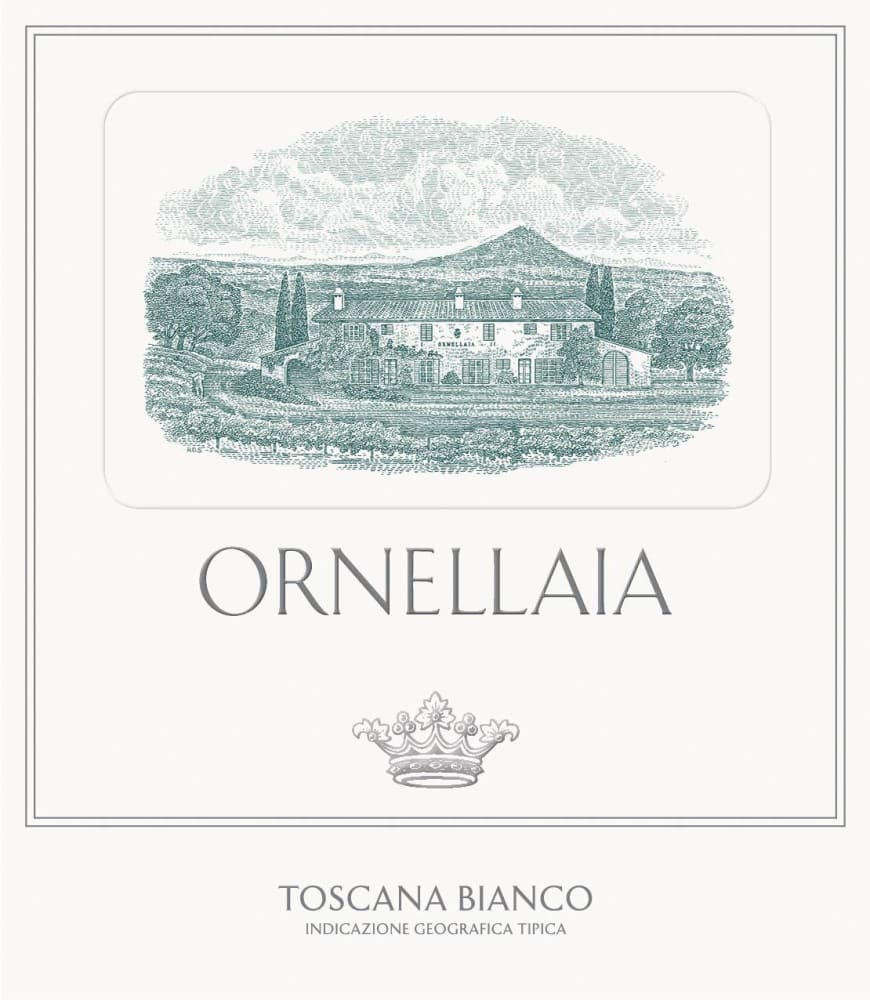
Pairing is straightforward with this choice. It harmonizes beautifully with seafood dishes, particularly grilled fish or shellfish, as well as creamy cheeses and light pasta recipes. When served slightly chilled, its refreshing qualities shine, making it an ideal companion for warm evenings or festive gatherings.
Flavor Profile of Bordeaux’s White Varietals
The experience of sipping a glass from this renowned region reveals a complex array of flavors. On the palate, I often encounter a delightful combination of citrus fruits, particularly lemon and grapefruit, which provide a refreshing acidity. This bright profile is typically balanced by a luscious texture, often reminiscent of stone fruits like peach or apricot.
In many instances, I notice layers of floral notes, such as honeysuckle or jasmine, adding an aromatic elegance. As I explore further, hints of tropical fruits, like pineapple or mango, occasionally emerge, contributing a subtle sweetness that rounds out the experience.
The influence of oak aging can introduce nuances of vanilla and toasted nuts, enhancing the complexity without overpowering the inherent fruitiness. A mineral quality, akin to wet stones or flint, frequently surfaces, imparting a distinctive backbone that complements the wine’s overall character.
In terms of food pairings, I find these offerings versatile. They harmonize beautifully with seafood dishes, especially grilled fish or shellfish, while also standing up to richer fare like creamy pasta sauces or roasted chicken. Each sip invites exploration, revealing new facets and flavors that keep the experience engaging.
Key Flavor Profiles of White Bordeaux
Expect a delightful mix of crisp acidity and rich fruit notes. I often find flavors of green apple and pear at the forefront, complemented by hints of citrus zest, especially lemon and grapefruit. These wines often showcase a refreshing minerality that adds complexity to the palate.
Fruit and Floral Notes
In addition to the primary fruit characteristics, floral elements such as honeysuckle and jasmine can emerge, enhancing the aromatic profile. The presence of tropical fruits like pineapple or passion fruit may also be detected, particularly in blends featuring Semillon. This variety contributes a luscious texture and a touch of stone fruit, often reminiscent of apricot or peach.
Oak Influence and Aging
When aged in oak, expect to notice subtle vanilla and toasty nuances. These oak-derived flavors can introduce a creamy mouthfeel, balancing the bright acidity. Aged examples might express notes of honey and caramel, further enriching the tasting experience. I find that these wines evolve beautifully over time, revealing layers of complexity that make each sip intriguing.
Influence of Grape Varieties on Taste
The primary grape varieties in this region are Sauvignon Blanc, Sémillon, and Muscadelle, each contributing distinct characteristics to the final product. Sauvignon Blanc typically lends a zesty acidity and notes of citrus, green apple, and sometimes herbaceous undertones, enhancing the overall freshness. In contrast, Sémillon adds richness and body, often showcasing flavors of stone fruits, honey, and a waxy texture that rounds out the experience.
Muscadelle, though used in smaller quantities, introduces floral and fruity nuances, enhancing complexity. The interplay among these varieties creates a balanced profile, where the crispness of Sauvignon Blanc harmonizes with the lushness of Sémillon, while Muscadelle offers a delicate aromatic lift.
Temperature and aging conditions further influence these flavors. For example, cooler fermentation temperatures can preserve the bright, fruity characteristics, whereas barrel aging can impart additional layers of vanilla and toastiness, especially from Sémillon. This multifaceted approach ensures each bottle presents a unique tasting experience, reflective of the terroir and vintage.
When selecting a bottle, consider the blend percentages. A higher proportion of Sauvignon Blanc will typically result in a crisper, more aromatic flavor, while a Sémillon-dominant blend may provide a softer, creamier mouthfeel. Understanding these nuances allows for a more tailored selection to suit personal preferences and pairings.