Chuck Furuya
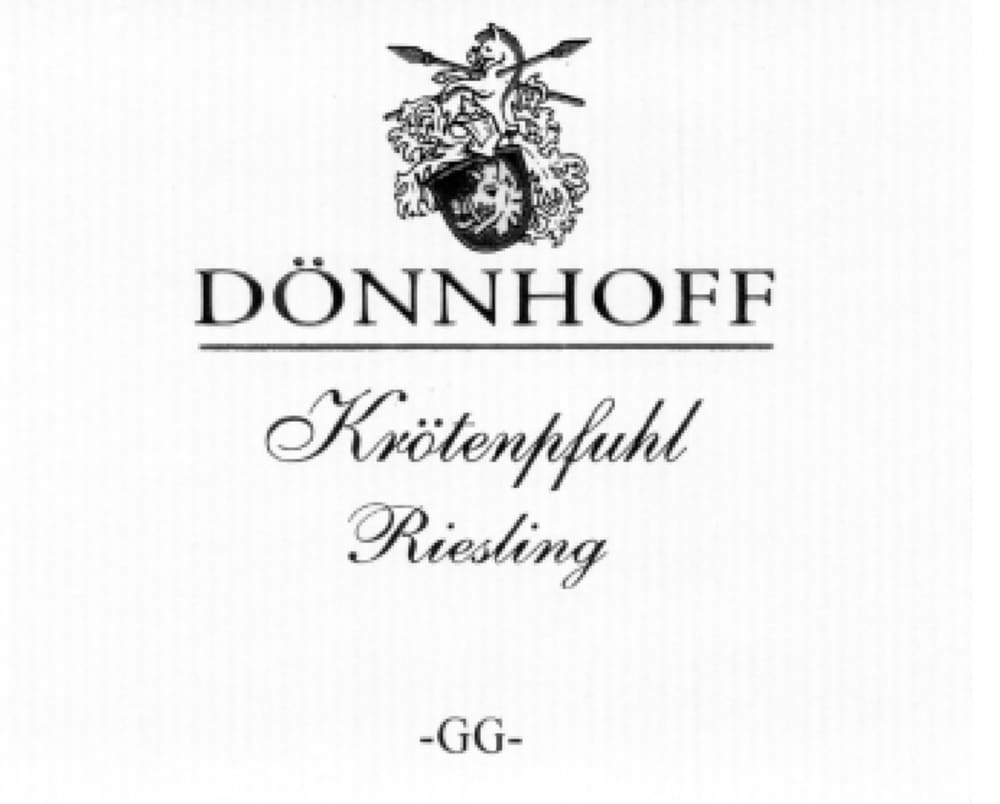

If you’re seeking a delightful experience, I recommend exploring the exquisite Riesling from Germany’s Mosel region. Known for its balance of sweetness and acidity, this varietal often features notes of stone fruits, honey, and floral aromas, making it a perfect choice for those who appreciate a refreshing sip.
Another excellent option is Sauvignon Blanc from New Zealand, particularly from the Marlborough area. These selections often present vibrant flavors of tropical fruits and citrus, accompanied by a hint of herbaceousness, offering a unique twist on traditional profiles.
For those who enjoy a richer taste, the Tokaji Aszú from Hungary stands out with its luscious sweetness and complex layers of dried fruits, apricot, and spices. This wine pairs beautifully with foie gras or blue cheese, enhancing its indulgent character.
Don’t overlook the Late Harvest Chenin Blanc from South Africa. This gem showcases an intriguing combination of ripe peach, honey, and a touch of nuttiness, making it a versatile choice for dessert pairings or simply enjoying on its own.
Top Regions for Sweet White Wines
For a delightful experience with dessert-style beverages, consider exploring these acclaimed areas:
-
Sauternes, France: This region specializes in luscious, botrytized varieties, particularly made from Semillon and Sauvignon Blanc grapes. Famous producers include Château d’Yquem and Château Suduiraut.
-
Tokaj, Hungary: Renowned for its Aszú wines, this region combines indigenous Furmint and Hárslevelü grapes. Look for labels like Tokaji Aszú 5 Puttonyos for a rich, honeyed profile.
-
Mosel, Germany: Known for its Riesling, the Mosel Valley offers a range of late-harvest options that balance sweetness with acidity. Seek out Auslese and Beerenauslese styles for an exquisite taste.
-
Napa Valley, USA: This area produces exceptional late-harvest offerings, primarily from Sauvignon Blanc and Riesling. Notable estates include St. Supery and Sutter Home.
-
Piedmont, Italy: Famous for its Moscato d’Asti, this region delivers sparkling, aromatic selections that are light and refreshing. Look for producers like Michele Chiarlo and Acquesi.
Each of these locales provides unique characteristics that enhance the pleasure of indulging in these delightful beverages. Exploring selections from these regions can lead to memorable tasting experiences.
Popular Sweet White Wine Varieties to Try
Riesling stands out as a top pick for those who enjoy rich flavors. Originating from Germany, it offers a spectrum from dry to lusciously sweet. Look for Spätlese or Auslese classifications for a delightful balance of sweetness and acidity.
Another excellent choice is Moscato, known for its refreshing and fruity profile. Italian versions, particularly Moscato d’Asti, provide a slight fizz that enhances its aromatic notes of peach and orange blossom.
Sauvignon Blanc
This varietal, especially from regions like Bordeaux, can offer a delightful dessert style. Look for Sauternes, which showcases honeyed flavors along with a vibrant acidity that keeps it from being cloying.
Tokaji
This Hungarian gem is famous for its Aszú wines, made from grapes affected by noble rot. The result is a complex blend of honey, apricot, and spice, perfect for pairing with rich desserts or cheeses.
| Wine Variety | Region | Tasting Notes |
|---|---|---|
| Riesling | Germany | Floral, peach, honey |
| Moscato | Italy | Peach, orange blossom, fizzy |
| Sauternes | France | Honey, apricot, vibrant acidity |
| Tokaji Aszú | Hungary | Honey, apricot, spice |
Food Pairings for Sweet White Wines
Pairing these delightful beverages with food can elevate the dining experience significantly. For instance, consider serving a luscious Riesling with spicy Asian dishes, such as Thai curry or Szechuan stir-fry. The wine’s inherent sweetness beautifully balances the heat of the spices.
Another excellent combination is with rich, creamy cheeses like Brie or Camembert. The smooth, buttery texture of the cheese pairs harmoniously with the fruity notes of the wine, creating a luxurious mouthfeel.
Desserts and Fruits
With desserts, opt for a late-harvest Sauvignon Blanc alongside fruit tarts or sorbets. The wine’s acidity complements the sweetness of the dessert while enhancing the fresh fruit flavors. For a classic choice, pair a Moscato with panna cotta or cheesecake; the lightness of the wine accentuates the creaminess of these treats.
Charcuterie and Savory Dishes
For a savory twist, try a Gewürztraminer with prosciutto or smoked salmon. The wine’s aromatic profile enhances the delicate flavors of the cured meats and seafood. A sweet Chenin Blanc also works well with roasted poultry or duck, offering a delightful contrast to the savory elements.
How to Properly Serve Sweet White Wines
Chilling is key. Serve these delightful beverages at a temperature between 45°F and 50°F (7°C to 10°C) to bring out their fruity and floral notes. Use an ice bucket for optimal cooling.
Glassware choice matters. Opt for tulip-shaped glasses, which concentrate the aromas while allowing sufficient space for swirling. Avoid wide bowls that dissipate the fragrance.
Decanting may enhance flavors. For complex varieties, consider decanting for about 20 to 30 minutes. This aeration can elevate the tasting experience.
Serving portions should be modest. Pour about 3 to 4 ounces (90 to 120 milliliters) per glass, allowing guests to savor the nuances without feeling overwhelmed.
Presentation enhances enjoyment. Pair the drink with complementary colors and textures on the table. A simple white tablecloth can highlight the wine’s brightness.
Consider wine temperature before serving. If a bottle has been stored in a warmer place, allow it to cool gradually before serving, avoiding drastic temperature changes.
For gatherings, keep a few bottles chilled and ready to serve. Offer a selection to encourage exploration and discussion among guests.
Lastly, ensure proper storage after opening. Seal any unfinished bottle with a cork or use a wine stopper to preserve freshness for future enjoyment.
Understanding Sweetness Levels in White Wines
The sweetness in these beverages primarily comes from residual sugar, which is the sugar left over after fermentation. Knowing the levels can enhance the tasting experience significantly.
I often assess sweetness on a scale ranging from dry to lusciously sweet. For example, a dry Riesling has minimal residual sugar, while a late-harvest Sauvignon Blanc can be rich in sweetness. This variance affects not just flavor but also food pairings and overall enjoyment.
<p.Labels often indicate sweetness levels. Look for terms like "dry," "off-dry," "semi-sweet," and "dessert" on the bottle. The latter two indicate higher sugar content, appealing to those who prefer a sweeter profile.
<p.Tasting notes help identify a wine's sweetness. A light, crisp taste with hints of citrus and floral notes often signals a drier style. Conversely, wines with tropical fruit flavors like mango or honey typically bear more sweetness.
<p.Exploring different regions can also reveal unique sweetness characteristics. For instance, German wines, especially from the Mosel region, often showcase a spectrum of sweetness due to the climate and grape varieties used.
<p.Finding the right balance between sweetness and acidity is crucial. Wines with higher acidity can feel less sweet, making them more refreshing, even if their sugar content is elevated. This interplay is something I consistently look for in a quality bottle.
<p.Ultimately, understanding these nuances allows for a more tailored selection, whether for personal enjoyment or pairing with meals. Each tasting experience becomes richer with this knowledge.
Tips for Selecting Sweet White Wines at the Store
Focus on labels that indicate residual sugar levels; wines with higher sugar content generally have a sweeter profile. Look for terms like “late harvest,” “ice wine,” or “botrytis,” as these often signify elevated sweetness. Checking the alcohol content can be helpful; lower alcohol percentages often correlate with higher sugar levels because fermentation may not fully convert all sugars into alcohol.
Explore local and regional options, as they can provide unique flavor profiles and often better value. Don’t hesitate to ask for recommendations from store staff; they can guide you based on your taste preferences and food pairings.
Consider the vintage; some years produce better quality fruit, which can enhance sweetness and complexity. If you find a wine you enjoy, look for others from the same producer, as they often maintain consistent quality and style.
Examine the bottle shape; dessert wines often come in smaller bottles, indicating a different production method distinct from table varieties. Don’t overlook the importance of tasting notes on the label; they can provide insight into flavor profiles, which helps in making an informed choice.
Finally, trust your palate. If possible, sample before purchasing; many stores offer tastings that can guide your selection process effectively.
Best Sweet White Wines for Special Occasions
For memorable celebrations, I recommend trying the following selections:
- Tokaji Aszú – This Hungarian delight, with its rich honeyed flavors and balanced acidity, is perfect for toasting special moments.
- Sauternes – A luxurious choice from Bordeaux, boasting notes of apricot, honey, and a luscious finish, ideal for pairing with desserts or cheese.
- Ice Wine – Originating from Canada or Germany, these wines showcase concentrated fruit flavors and a refreshing sweetness, making them a fantastic choice for dessert courses.
- Moscato d’Asti – Lightly sparkling and aromatic, this Italian gem is great for casual gatherings or as an aperitif, with its delightful peach and floral notes.
- Riesling (Late Harvest) – Opt for a late harvest version for a richer profile, often featuring tropical fruit and honey nuances, perfect alongside spicy dishes or fruit-based desserts.
Each of these options brings unique characteristics to the table, making them excellent choices for enhancing any festive occasion. Selecting the right bottle can elevate your gathering, whether it be a wedding, anniversary, or holiday celebration.
FAQ:
What are some examples of sweet white wines?
Some popular examples of sweet white wines include Moscato, Riesling, and Sauternes. Moscato is known for its fruity and floral flavors, often with notes of peach and orange blossom. Riesling can range from dry to sweet, but the sweeter versions, particularly those from Germany, are highly regarded for their balance of acidity and sweetness. Sauternes is a luxurious dessert wine from France, made from grapes affected by noble rot, resulting in rich flavors of honey, apricot, and caramel.
How do I choose a sweet white wine for a special occasion?
Choosing a sweet white wine for a special occasion involves considering the event and the food being served. If you’re pairing the wine with dessert, a late-harvest Riesling or a Sauternes can complement pastries and fruit-based dishes beautifully. For a casual gathering, Moscato is a crowd-pleaser due to its light and refreshing profile. It’s also helpful to think about the preferences of your guests; if they enjoy fruity and sweet flavors, opt for wines like Gewürztraminer or a sweet Chenin Blanc.
What are the characteristics of sweet white wines?
Sweet white wines are characterized by their high sugar content, which can come from the grapes themselves or from added sweeteners during the winemaking process. They often exhibit fruity, floral, and sometimes honeyed aromas and flavors. The sweetness level can vary, with some wines being slightly sweet and others intensely sweet. These wines typically have a lower alcohol content compared to dry whites and a balanced level of acidity that helps prevent them from being overly cloying.
Can sweet white wines be aged, and if so, how does aging affect their flavor?
Yes, some sweet white wines can be aged, and this process can significantly enhance their complexity and depth of flavor. For instance, Sauternes and some high-quality Rieslings can develop additional layers of flavor over time, including notes of toffee, nuts, and spices. Aging can also soften the sweetness, allowing the wine’s acidity and other characteristics to shine through. However, not all sweet wines benefit from aging, so it’s important to know the specific type and its aging potential.
What are some food pairings that work well with sweet white wines?
Sweet white wines pair wonderfully with a variety of foods. For example, Riesling complements spicy Asian dishes, while Moscato can enhance the flavors of fruit salads and light desserts. Sauternes is often paired with rich cheeses like Roquefort, as the sweetness balances the saltiness of the cheese. Additionally, sweet white wines can elevate the experience of foie gras or pâté, making them a versatile choice for many culinary applications.
What are some popular sweet white wines that I should try?
Some popular sweet white wines include Riesling, Moscato, and Sauternes. Riesling is known for its fruity flavors and high acidity, making it refreshing and versatile. Moscato, often slightly sparkling, offers a sweet, peachy profile that is perfect for casual sipping. Sauternes, a luxurious dessert wine from Bordeaux, is rich and complex, with notes of honey and apricot. Each of these wines brings its own unique characteristics to the table, appealing to different palates.
How do I choose a sweet white wine for a dessert pairing?
When selecting a sweet white wine to pair with dessert, consider the flavors and sweetness level of the dish. A good rule of thumb is to match the wine’s sweetness to the dessert’s sweetness. For example, a fruity tart pairs well with a Riesling, while a rich chocolate dessert might be complemented by a sweeter Moscato or even a Sauternes. Additionally, consider the acidity of the wine, as a higher acidity can balance the richness of certain desserts.
Are there any sweet white wines that are low in alcohol content?
Yes, several sweet white wines have lower alcohol content. Moscato typically has an alcohol level around 5-8%, making it a lighter option. Some Rieslings, especially those labeled as “Kabinet,” can also be lower in alcohol, generally ranging from 7-10%. These wines are great choices if you’re looking for something sweet without the higher alcohol levels found in other wines.
What regions are known for producing the best sweet white wines?
Regions famous for sweet white wine production include Germany, France, and Italy. Germany is renowned for its Rieslings, particularly from the Mosel and Rheingau regions. France’s Sauternes region is famous for its rich dessert wines, while the Loire Valley produces delicious sweet wines like Coteaux du Layon. In Italy, regions like Piedmont are known for Moscato d’Asti, a popular sparkling sweet wine. Each of these regions offers unique terroirs that enhance the flavors of their sweet wines.
What should I look for on a wine label when buying sweet white wine?
When examining a wine label for sweet white wine, pay attention to the varietal, region, and sweetness level indicated. Look for terms like “late harvest,” “dessert,” or “Noble Rot” (for wines like Sauternes) to identify sweetness. The alcohol content can also give clues; lower alcohol often indicates higher sweetness. Additionally, consider any tasting notes or descriptions provided, as they can help guide your choice based on flavors you enjoy.