Chuck Furuya
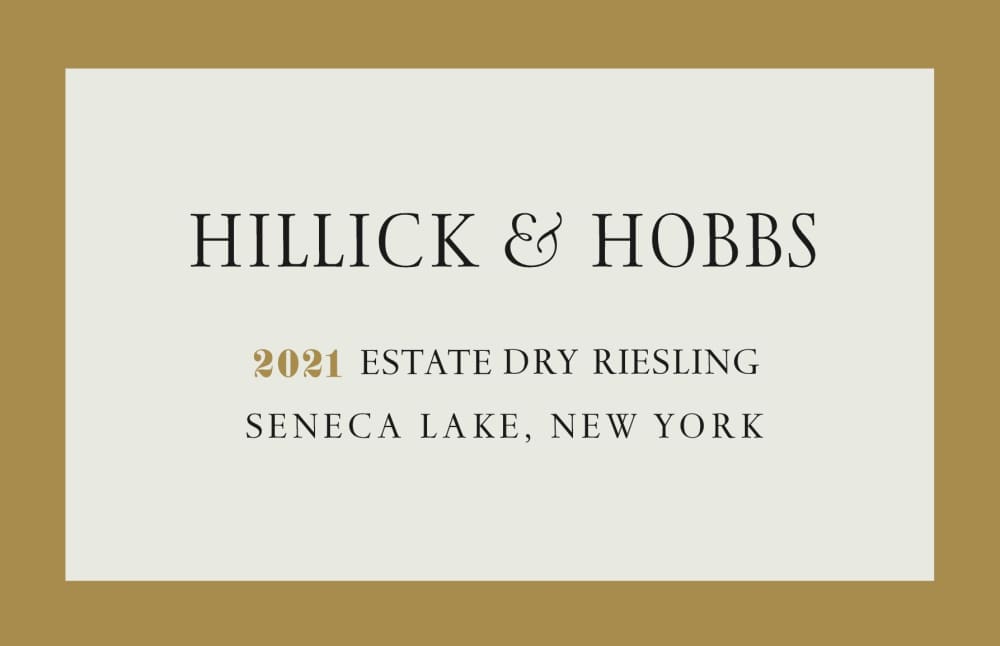
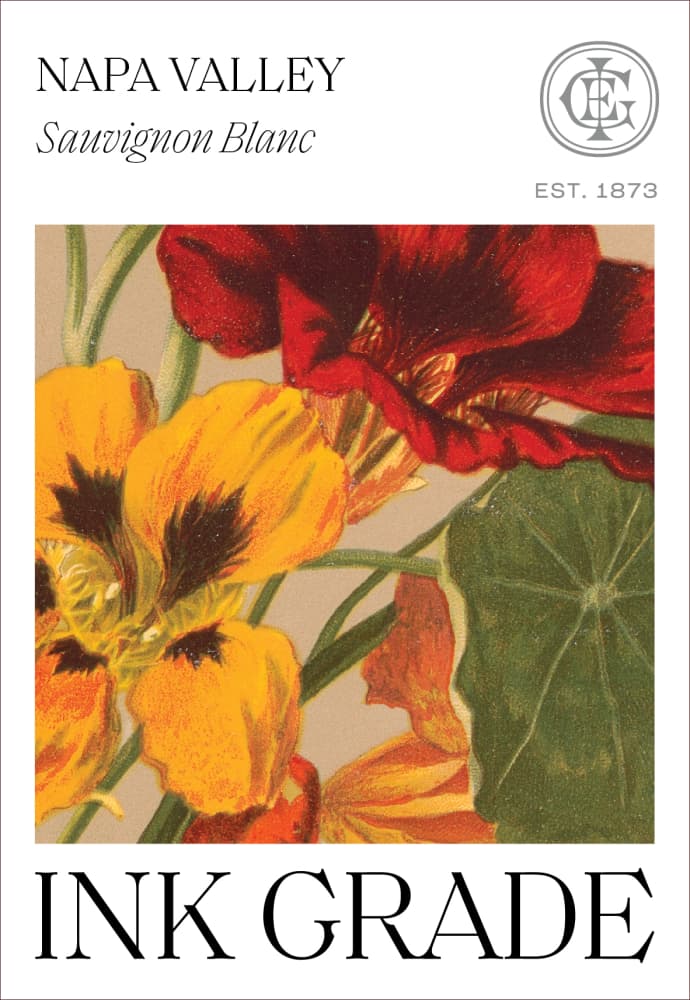
If you’re seeking a crisp option, I highly recommend Sauvignon Blanc. Its high acidity and zesty flavors make it an ideal choice for those who prefer a less sweet experience. Regions like Marlborough in New Zealand produce some of the most outstanding bottles, characterized by notes of citrus, green apple, and fresh herbs.
Another excellent selection is Pinot Grigio, particularly those from Italy. These offerings tend to be light-bodied and exhibit a clean profile with hints of pear and melon, making them very appealing. Pairing this option with seafood or light pasta dishes enhances the overall tasting experience.

For those who enjoy a bit more complexity, consider a Grüner Veltliner. Originating from Austria, this varietal delivers a unique profile with peppery notes and stone fruit flavors. It’s versatile and pairs well with a wide range of cuisines, from Asian dishes to hearty salads.
Choosing the Best Options for a Crisp Experience
For a refreshing experience, I recommend exploring the following varietals:
- Sauvignon Blanc – Known for its zesty acidity and notes of citrus and green apple, this choice pairs excellently with seafood and salads.
- Pinot Grigio – This light-bodied selection offers a clean, crisp profile with hints of pear and honeydew, making it ideal for warm-weather enjoyment.
- Chardonnay – Opt for unoaked versions for a brighter flavor; expect flavors of green apple, lemon, and a mineral finish.
- Vermentino – A lesser-known gem that showcases herbal and citrus notes, perfect for pairing with Mediterranean cuisine.
Food Pairing Suggestions
These selections complement various dishes effectively:
- Seafood such as grilled fish or shrimp tacos pairs beautifully with Sauvignon Blanc.
- Light pasta dishes with olive oil and garlic match well with Pinot Grigio.
- Roasted chicken or creamy risottos find a friend in unoaked Chardonnay.
- Vegetable salads and tapas are enhanced by the freshness of Vermentino.
Experiment with these varieties to find your personal favorites while enjoying the delightful nuances each brings to the table.
Identifying Dry White Wine Varieties
I recommend looking for Sauvignon Blanc, as it consistently offers crispness and acidity, making it a favorite among enthusiasts. Its citrus and herbal notes provide a refreshing experience, perfect for various occasions.
Other Notable Options
Consider exploring Chardonnay, particularly the unoaked versions. They typically showcase bright apple and pear flavors, along with a clean finish. This grape is versatile, and its profiles can vary significantly depending on the region.
Additional Choices
Pinot Grigio is another excellent selection, known for its light body and zesty character. The mineral undertones can enhance the overall tasting experience, making it a delightful pairing with seafood or salads.
Tasting Notes for Popular Dry White Wines
Sauvignon Blanc offers a refreshing profile with zesty acidity and vibrant citrus notes. Expect flavors of grapefruit, lime, and green apple, often complemented by herbal hints like bell pepper and freshly cut grass. The finish is typically crisp, making it an excellent companion for seafood dishes.
Chardonnay, especially when unoaked, presents a clean and bright palate. Its tasting notes often include green apple, pear, and a touch of lemon zest. Some versions display a mineral quality, adding depth to the experience. This varietal pairs wonderfully with lighter poultry or creamy pasta sauces.
Pinot Grigio is known for its light, crisp nature, with notes of green melon, pear, and a hint of floral aromas. Its refreshing acidity makes it a perfect match for salads and light appetizers. The flavor profile can vary slightly depending on the region, with Italian examples often showcasing a more mineral-driven character.
Grüner Veltliner stands out with its peppery and herbal undertones, alongside flavors of lime and stone fruit. This Austrian grape variety has a unique ability to pair with a wide range of foods, from Asian cuisine to roasted vegetables, thanks to its balanced acidity and complex flavor profile.
Albariño, hailing from Spain, brings forth a profile rich in stone fruit flavors, particularly peach and apricot, with a salty finish reminiscent of its coastal origins. This varietal is fantastic with shellfish, enhancing the overall dining experience with its bright acidity and aromatic complexity.
Verdejo delivers aromatic notes of tropical fruit, lemon, and fennel, often accompanied by a slight herbaceous quality. This Spanish grape’s refreshing nature makes it versatile for pairing with grilled fish and Mediterranean dishes.
Sampling these varieties provides insight into the diverse spectrum of flavors and aromas available in the realm of crisp, refreshing beverages. Each offers a unique tasting experience that can elevate any meal or occasion.
FAQ:
What are the characteristics of dry white wines?
Dry white wines are typically characterized by low residual sugar levels, which means they taste less sweet compared to their off-dry or sweet counterparts. These wines often have higher acidity, which can provide a crisp and refreshing taste. Common flavor profiles for dry white wines include citrus, green apple, pear, and stone fruit notes. The winemaking process often involves fermentation at cooler temperatures to preserve the fresh fruit flavors and aromas.
Can you recommend some popular varieties of dry white wine?
Several popular varieties of dry white wine include Sauvignon Blanc, Chardonnay, Pinot Grigio, and Riesling (specifically the dry styles). Sauvignon Blanc is known for its zesty acidity and herbal notes, while Chardonnay can range from crisp and fruity to rich and buttery, depending on the winemaking techniques used. Pinot Grigio is light and refreshing with flavors of pear and citrus, making it a favorite for warm-weather drinking. Dry Rieslings offer a balance of fruitiness and acidity, showcasing flavors of lime, peach, and floral hints.
What food pairings work well with dry white wine?
Dry white wines pair well with a variety of foods due to their acidity and crisp flavors. They complement seafood dishes, such as grilled fish, shrimp, or oysters, perfectly. Light salads with vinaigrette dressings also work well, as do poultry dishes and light pasta dishes, especially those featuring creamy sauces. Cheese options like goat cheese or fresh mozzarella can also enhance the tasting experience. Ultimately, the key is to consider the wine’s acidity and flavor profile when selecting food pairings.
How should dry white wine be served for the best experience?
To enjoy dry white wine at its best, it should be served chilled. The ideal serving temperature usually ranges from 45 to 55 degrees Fahrenheit (7 to 13 degrees Celsius), depending on the specific variety. Chilling the wine helps to enhance its refreshing qualities and makes the flavors more vibrant. Using a proper wine glass that allows for aeration can also improve the tasting experience, as it enables the aromas to be more pronounced.
What is the difference between dry and sweet white wine?
The primary difference between dry and sweet white wine lies in the sugar content. Dry white wines have little to no residual sugar, resulting in a less sweet taste. In contrast, sweet white wines contain higher levels of residual sugar, giving them a noticeably sweeter flavor. This difference affects not only the taste but also the wine’s acidity and food pairing potential. Dry wines are often favored for their crispness and versatility, while sweet wines can be enjoyed as dessert wines or with specific types of dishes, such as spicy foods.
What are some examples of dry white wines suitable for drinking?
There are several types of dry white wines that are popular among wine enthusiasts. Some notable examples include Sauvignon Blanc, which is known for its crisp acidity and citrusy flavors. Chardonnay can also be dry, particularly those that are unoaked, offering flavors ranging from green apple to pear. Pinot Grigio is another excellent choice, typically light and refreshing with floral notes. Additionally, dry Riesling is often overlooked; it can be quite dry while still providing a fruity profile. Each of these wines can be enjoyed on their own or paired with various dishes, making them versatile options for many occasions.
How can I tell if a white wine is dry or sweet before tasting it?
Determining whether a white wine is dry or sweet can be done by looking at a few key factors. First, check the label; many wines explicitly state their dryness level. If the label mentions “dry,” it’s a good indication. Second, consider the grape variety; some grapes, like Sauvignon Blanc and Chardonnay, are typically dry, while others, like Moscato and Gewürztraminer, are often sweeter. The alcohol content can also be a clue; wines with higher alcohol levels (above 12.5% ABV) are usually drier. Lastly, the region can provide context, as certain areas are known for producing drier wines. With these tips, you can make informed choices without needing to taste every bottle.