Chuck Furuya
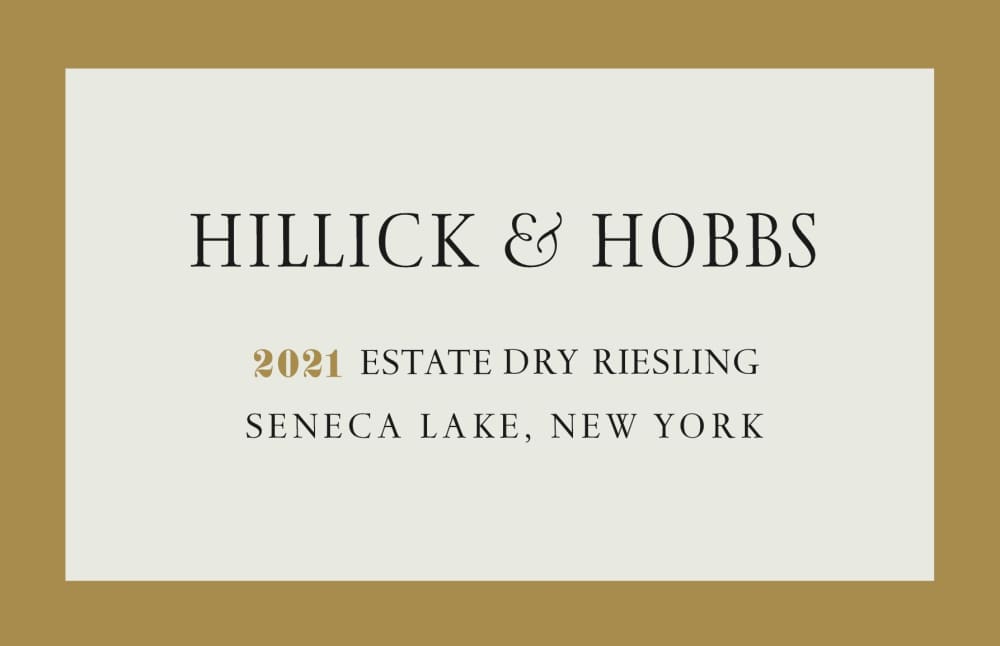

Absolutely! Riesling can serve as an excellent alternative to a variety of crisp, unwooded options. Its natural acidity and fruity notes can complement many dishes just as effectively as traditional dry varietals.
When opting for this choice, I recommend considering the specific characteristics of the Riesling you have on hand. Look for those labeled as “dry,” as they will offer a profile closer to that of Sauvignon Blanc or Pinot Grigio. If the Riesling is on the sweeter side, it may alter the dish’s flavor, so adjust other ingredients accordingly to maintain balance.

In cooking, this varietal shines in sauces and marinades, enhancing seafood and poultry dishes with its bright flavor. For a refreshing twist in salads or dressings, a splash of dry Riesling can elevate the overall taste profile, bringing a unique complexity that complements various ingredients.
Can I Substitute Riesling for Dry White Wine?
Using a sweet varietal like Riesling in place of a crisp, acidic option can alter the flavor profile significantly. Here’s what to consider:
- Flavor Balance: Riesling brings a fruity sweetness that may overpower dishes intended for a neutral or dry choice. Adjust other ingredients to maintain balance.
- Acidity Levels: Many Rieslings have lower acidity compared to their drier counterparts. This can impact the dish’s brightness. Consider adding a splash of lemon juice to enhance acidity.
- Cooking Method: If the recipe involves sautéing or deglazing, the sweetness may create a different sauce. Monitor the cooking time to prevent caramelization.
- Pairing with Food: Dishes that pair well with sweet notes, such as spicy Asian cuisine or rich meats, may benefit from this choice. Experiment to find harmonious combinations.
In summary, while a sweet varietal can serve as an alternative, be mindful of how it affects the overall taste and structure of your dish. Adjustments may be necessary to achieve the desired outcome.
Understanding the Flavor Profile of Riesling vs. Dry White Wine
The flavor characteristics of Riesling and other types of crisp, unembellished wines vary significantly. Riesling typically showcases a spectrum of sweetness, ranging from bone-dry to lusciously sweet, with pronounced fruity notes like peach, apricot, and green apple. Its high acidity balances the sweetness, resulting in a refreshing finish.
In contrast, many refined, unadulterated options exhibit a more linear flavor profile, often highlighting citrus, pear, and mineral undertones. The acidity in these alternatives can also be sharp but tends to be less complex, focusing on a clean and crisp mouthfeel.
Comparative Notes
Riesling often carries floral aromas, such as jasmine or honeysuckle, enhancing its aromatic complexity. This quality can add depth to dishes, making it ideal for pairing with spicy cuisines, while the straightforward nature of other options complements lighter fare, like seafood or salads, without overwhelming the palate.
Final Thoughts
When selecting a wine for a specific dish, understanding these flavor distinctions will guide your choice. Riesling brings an aromatic and fruity profile, while other fresh alternatives provide a more straightforward and mineral-driven taste. Each has its place, depending on the culinary context.