Chuck Furuya


The ideal temperature for serving a refreshing glass of this delightful beverage is around 45-50°F (7-10°C). To achieve this, I recommend using an ice bucket filled with a mix of ice and water. This method ensures that the temperature is maintained without the risk of dilution that ice alone can create.
Another effective approach is to pre-chill the bottles in the refrigerator for a few hours before serving. If time is of the essence, a quick chill can be accomplished by placing the bottle in an ice bath for about 20 minutes. The combination of ice and water accelerates cooling, making it a reliable choice for last-minute gatherings.

For outdoor events, consider using insulated bags or sleeves designed specifically for beverage storage. These can help retain the coolness longer, allowing you to enjoy your drink at the desired temperature throughout the occasion. Always remember to check the temperature before pouring to ensure the experience is as delightful as possible.
Chilling Techniques for Your Favorite Beverage
Utilize a bucket filled with ice and water for rapid temperature reduction. The combination of ice and water enhances contact and speeds up the cooling process. Aim for a 20-minute soak for optimal results.
Consider a wine cooler or refrigerator set to a precise temperature, ideally around 45°F to 50°F (7°C to 10°C). This method provides a steady and controlled environment to maintain your drink’s ideal state.
Wrap the bottle in a wet towel and place it in the freezer for about 15 minutes. The moisture on the towel helps draw heat away from the bottle more effectively than a dry one.
For outdoor gatherings, invest in insulated sleeves or bags designed specifically for bottles. These can maintain lower temperatures for extended periods, making them practical for picnics or barbecues.
Prior to serving, store your beverage in a chilled serving vessel. Opt for glass or metal containers that have been pre-cooled to prolong the refreshing experience while pouring.
Incorporate frozen grapes as a substitute for ice cubes. They won’t dilute the flavor and provide a delightful touch to the experience.
Selecting the Right Wine Cooler
Opt for a wine cooler with precise temperature control, ideally ranging from 45°F to 65°F for optimal preservation. Dual-zone units allow for different temperatures, catering to various types of beverages.
Types of Wine Coolers
- Freestanding: Versatile and portable, suitable for various spaces.
- Built-in: Designed for seamless integration into cabinetry, saving space.
- Countertop: Compact and ideal for those with limited room.
Key Features
- Size: Choose a model that fits your collection size; options range from small to large capacity.
- Humidity Control: Maintaining humidity levels prevents cork drying and oxidation.
- UV Protection: Look for tinted glass or solid doors to shield contents from light exposure.
- Noise Level: Consider quieter models if you place them in living areas.
Assess your needs based on frequency of use and the size of your collection. A well-chosen cooler enhances enjoyment and maintains quality, ensuring every pour is at its finest.
Using Ice Buckets for Quick Cooling
For rapid temperature reduction, I recommend using an ice bucket. Fill it halfway with ice and add water to create a slushy mixture. This combination enhances thermal conductivity, allowing the bottle to cool more swiftly.
Position the bottle at a 45-degree angle in the bucket, ensuring that the ice and water cover as much of the bottle as possible. This technique accelerates the cooling process, bringing the contents to the desired temperature in about 15-20 minutes.
For optimal results, consider the following:
| Tip | Description |
|---|---|
| Ice Quality | Use large ice cubes instead of crushed ice. Larger pieces melt slower, maintaining the cold temperature longer. |
| Water Ratio | Mix equal parts of ice and water for the most effective cooling. This ratio maximizes contact with the bottle. |
| Bucket Size | A larger bucket holds more ice and water, facilitating quicker cooling. Ensure the bucket is appropriately sized for the bottle. |
| Pre-chill the Bucket | If possible, chill the bucket in the freezer for 30 minutes before use. This adds an extra cooling factor. |
After the cooling period, remove the bottle, wipe off any excess water and ice, and serve immediately for the best experience.
Optimal Temperature Range for White Wine
The ideal serving temperature for most varieties of this refreshing beverage is between 45°F and 55°F (7°C to 13°C). Within this range, the flavors and aromas are fully expressed, enhancing the overall tasting experience.
For lighter styles, such as Pinot Grigio or Sauvignon Blanc, aim for the lower end of the spectrum, around 45°F to 50°F (7°C to 10°C). These cooler temperatures preserve the crispness and acidity, making them more enjoyable.
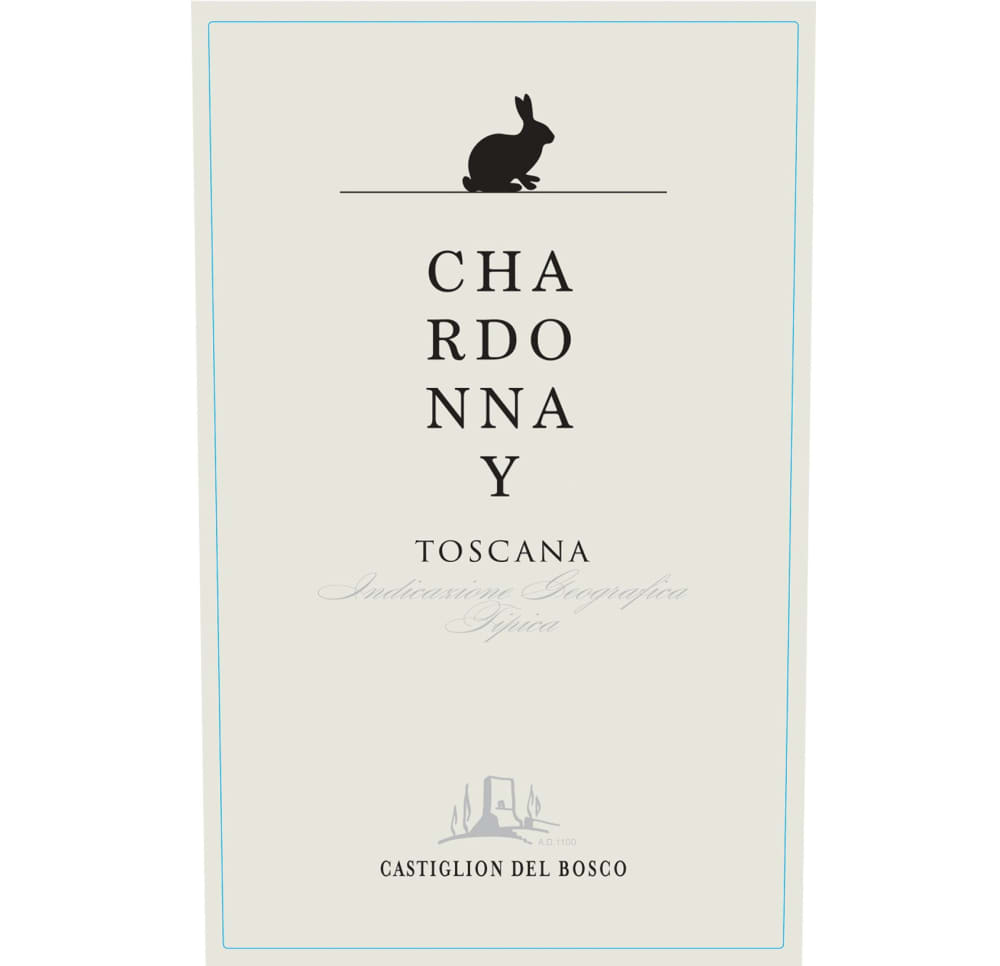
For fuller-bodied options like Chardonnay or Viognier, the slightly warmer range of 50°F to 55°F (10°C to 13°C) is preferable. This allows for the more complex flavors and buttery notes to be appreciated without being muted by excessive cold.
Monitoring the temperature is key. A digital thermometer can provide accurate readings, ensuring that each glass is served just right. If a bottle is too warm, a quick chill in the ice bucket can help, but avoid long-term exposure to extreme cold, which can dull the taste.
Experimenting within this temperature range can enhance your palate and help in discovering personal preferences. This approach allows for a more tailored tasting experience, ensuring that every sip is savored at its optimal flavor profile.
Preparing Wine in Advance for Serving
Chilling beverages effectively requires planning ahead. I recommend placing bottles in the refrigerator several hours before serving. This method ensures an even and consistent temperature throughout the liquid.
For optimal results, consider the following steps:
- Remove labels and dust from the bottle to prevent any residue from affecting the flavor.
- Place bottles upright in the cooler to avoid contact between the cork and liquid, which can lead to spoilage.
- For enhanced cooling, wrap the bottle in a damp cloth before refrigerating. This increases the surface area for cooling.
Alternatively, if time is limited, consider using a combination of ice and water in a bucket. This method can rapidly lower the temperature of the beverage in under 20 minutes.
Remember to monitor the temperature, aiming for around 45-50°F (7-10°C) for optimal enjoyment. Pre-chilled options can also enhance the experience during gatherings.
Utilizing Wine Chilling Sleeves
For immediate cooling, I rely on wine chilling sleeves. These sleeves are designed to slide over the bottle and are filled with gel that retains cold temperatures. Before use, I place them in the freezer for a couple of hours to maximize their effectiveness.
Steps for Optimal Use
- Ensure the sleeve is completely frozen before applying it to the bottle.
- Remove the bottle from any packaging and wipe it dry to ensure proper contact with the sleeve.
- Slide the sleeve over the bottle, securing it snugly.
This method is particularly advantageous for outdoor gatherings or picnics, where access to ice may be limited. The sleeves are lightweight and portable, making them easy to transport.
Benefits of Chilling Sleeves
- No need for ice or additional containers, simplifying the cooling process.
- Designed to fit standard bottle sizes, ensuring versatility.
- Reusable, making them an eco-friendly choice.
In my experience, chilling sleeves offer a practical solution for ensuring perfect serving temperatures, especially when time is of the essence.
Incorporating Ice Packs in Wine Storage
For optimal cooling, I recommend using ice packs during storage. These packs can be placed around the bottle or in the cooler to maintain a low temperature effectively. Choose packs that are flexible and can conform to the shape of the bottle for better contact. It’s crucial to pre-freeze them to ensure maximum cooling efficiency.
Placement and Usage Tips
Position the ice packs strategically around the bottle, ensuring they cover as much surface area as possible. If using a cooler, arrange the packs at the bottom and sides before placing the bottles in. This method not only cools the beverage but also helps to stabilize the temperature. Regularly check the packs; if they begin to thaw, replace them with freshly frozen ones to sustain the cool environment.
Choosing the Right Ice Packs
Select packs that are specifically designed for food and beverage use, as they are non-toxic and safe for contact with bottles. Some packs come in reusable sleeves, which can enhance convenience. Opt for those with a longer cooling duration to minimize the need for frequent replacements during gatherings.