Chuck Furuya

I recommend consuming an opened container of white varietal within three to five days for optimal taste and quality. After this period, the flavors begin to diminish, and oxidation affects the overall profile.
To maximize freshness, ensure the closure is tight, using a cork or a specialized wine stopper. This limits exposure to air, which accelerates spoilage. Keep the temperature consistent; ideally, the thermometer should read between 45°F and 50°F (7°C to 10°C).
If you notice any off-odors or a sharp, vinegar-like taste, it’s best to discard the liquid. A quick taste test can help determine if it’s still enjoyable. Following these simple guidelines will enhance your experience with any opened container of chilled varietal.

Optimal Storage Conditions for Opened White Wine
Maintain a temperature between 45°F and 55°F (7°C to 13°C) for the best preservation of your vintage. A consistent chill is key; avoid placing it near the door where fluctuating temperatures can occur.
Seal and Storage Position
Utilize a vacuum pump or a wine stopper to minimize oxidation. Store the container upright to reduce exposure to air, which can deteriorate flavor quickly.
Environment Control
Keep away from direct sunlight and high humidity. A dark, cool area in the refrigerator is ideal, as light can cause premature aging. Regularly check for any off-smells or changes in taste, as these may indicate spoilage.
Signs that your opened white wine has gone bad
Check for an off-putting odor. If it smells like vinegar or has a strong unpleasant scent, it’s likely spoiled.
Examine the color. A significant darkening or a brownish hue can indicate oxidation, suggesting it’s no longer fresh.
Look for sediment. If you notice unusual particles or cloudiness, this may signal a decline in quality.
Taste a small sip. A sour or flat flavor profile indicates that the liquid has deteriorated and should not be consumed.
Observe the cork. If the cork appears to have pushed out or is damaged, air exposure may have compromised the liquid.
Pay attention to bubbles. If a still variety has developed fizz, it’s a sign of fermentation and spoilage.
Best Practices for Resealing Opened White Wine
To maintain the quality of a partially consumed vintage, use a vacuum pump to remove excess air from the container. This method significantly slows down the oxidation process, preserving the flavors and aromas longer. If a vacuum pump is unavailable, replacing the cork tightly can also help, but ensure it is clean and free from any contaminants.
Consider Alternative Stoppers
Utilize specialized wine stoppers designed to create an airtight seal. Some stoppers come with built-in valves that allow you to pump out air, while others simply fit snugly into the neck of the container. These options can be more effective than the original cork.
Keep Temperature Consistent
Store the resealed container in a consistent temperature environment, ideally between 45°F to 50°F. Avoid frequent temperature fluctuations, as this can negatively impact the taste and overall quality. Make sure the storage area is away from direct sunlight and heat sources as well.
Types of White Wine and Their Shelf Life After Opening
Different varieties of white grape fermentation have unique characteristics that affect their longevity after uncorking. Here’s a breakdown of some popular types and how long they typically last in cooler storage conditions:
- Sauvignon Blanc: Generally retains freshness for about 3 to 5 days. Its high acidity helps preserve its crisp profile.
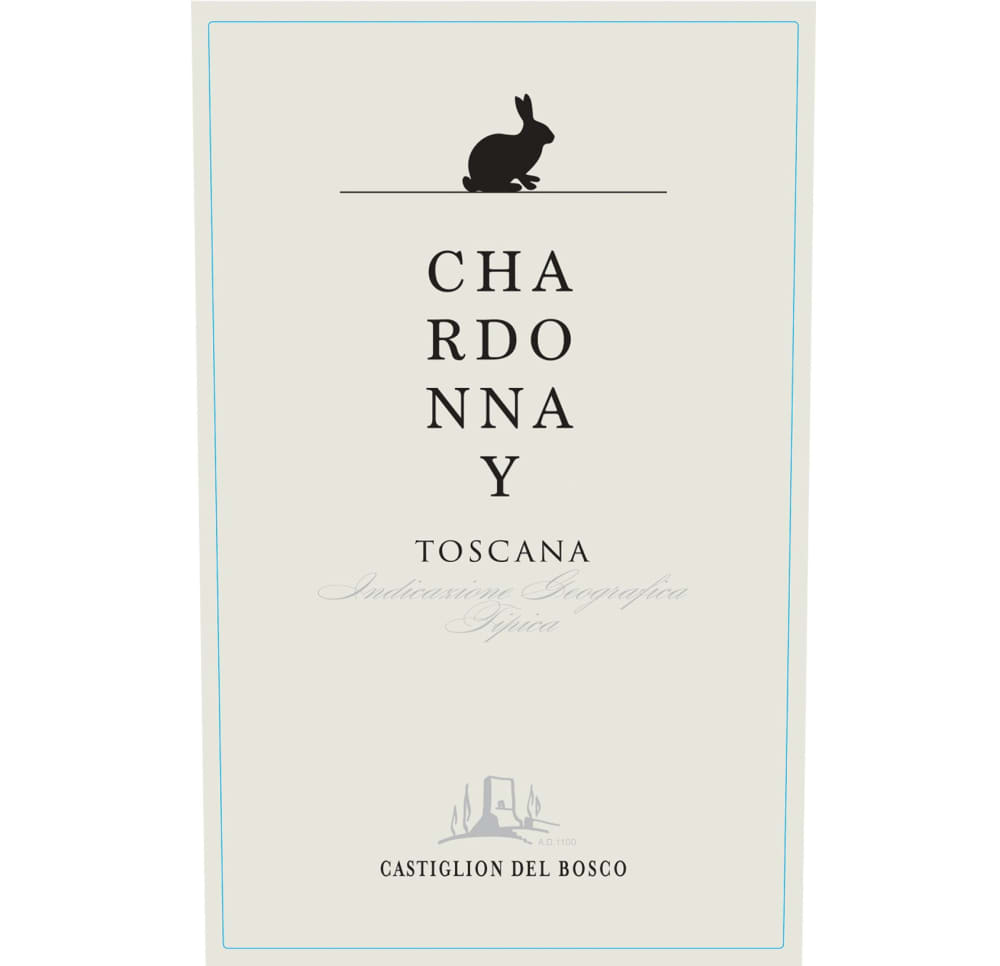
- Chardonnay: Depending on the style, it can last from 3 to 7 days. Oaked versions may have a slightly longer lifespan due to their richer structure.
- Pino Grigio: Best enjoyed within 3 to 5 days after opening. The light and refreshing nature diminishes quickly.
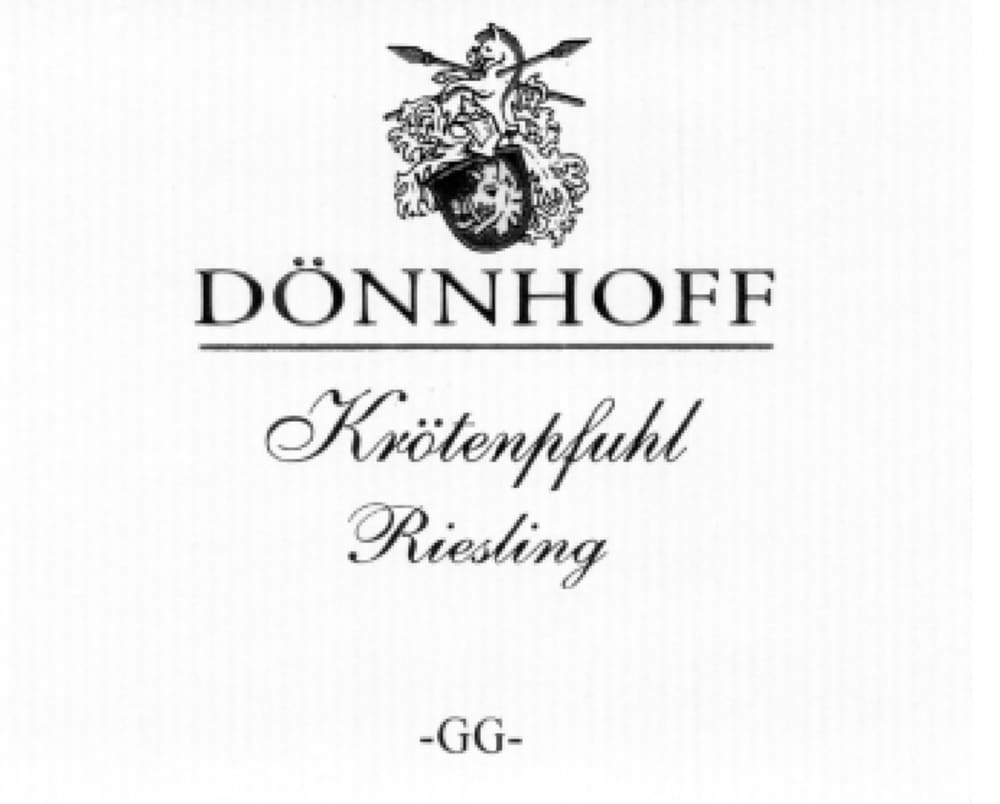
- Riesling: Can last up to 5 to 7 days. Its sweetness and acidity work together to maintain its flavor longer than some drier varieties.
- Gewürztraminer: Similar to Riesling, it often remains good for 5 to 7 days. The aromatic qualities can fade, though.
- Verdelho: A bit more resilient, it can be enjoyable for about 4 to 6 days post-opening, thanks to its balanced acidity.
While these guidelines provide a useful reference, personal taste and specific conditions might influence the actual experience. Always trust your palate and senses to determine the optimal time for enjoyment.