Chuck Furuya
For optimal preservation, I recommend maintaining a range of 50°F to 55°F (10°C to 13°C) for lighter varietals. This cooler environment enhances the delicate flavors and aromas, allowing them to flourish over time.
In contrast, I find that fuller-bodied options thrive best at slightly warmer settings, around 60°F to 65°F (15°C to 18°C). This temperature allows the complex notes to develop fully, ensuring a rich tasting experience.
Humidity plays a significant role as well; I aim for around 70% to prevent corks from drying out. Storing bottles horizontally also helps to keep the cork moist, further protecting the contents from oxidation.
Lastly, I avoid direct sunlight and vibrations, as these can negatively impact quality. A dedicated wine cellar or a specialized cooler can provide the ideal environment for my collection.
Optimal Storage Conditions for Red Wine
For red varietals, I recommend maintaining a range of 55°F to 65°F (13°C to 18°C). This range allows the flavors to develop while minimizing the risk of spoilage.
Key factors to consider include:
- Consistency: Avoid fluctuations; stable conditions preserve quality.
- Humidity: Aim for 50-70% humidity to prevent cork drying or mold growth.
- Light: Store in dark environments as UV rays can degrade flavor compounds.
- Vibration: Minimize movement; vibrations can disturb sediment and affect taste.
Specific varietals may have slightly different preferences:
- Cabernet Sauvignon: Ideal around 60°F (15°C).
- Merlot: Slightly cooler at 55°F (13°C) works well.
- Pinot Noir: Preferably at 58°F (14°C) to maintain delicate flavors.
By adhering to these parameters, I ensure optimal aging and enjoyment of each bottle.
Recommended Storage Temperatures for White Wine
I suggest maintaining a range of 45°F to 50°F (7°C to 10°C) for optimal preservation of white varieties. This range enhances the aromatic profile and acidity balance, crucial for refreshing characteristics.
For more delicate types, such as Riesling or Sauvignon Blanc, aim closer to 45°F (7°C). This cooler environment helps preserve those subtle notes and crispness. Conversely, fuller-bodied options like Chardonnay benefit from slightly warmer conditions, around 50°F (10°C), to bring forward their richness and complexity.
Consistent conditions are paramount. Fluctuations can lead to premature aging or spoilage. A dedicated wine cooler or cellar is highly effective in creating a stable microclimate, safeguarding the integrity of the bottle.
Humidity levels play a role too. Keeping around 50-70% humidity prevents cork drying out, which can compromise quality. Regular monitoring ensures that both temperature and humidity remain within recommended parameters.
Finally, avoid exposure to direct sunlight and vibrations, as these factors can degrade flavor profiles over time. A dark, quiet space is ideal for preserving the nuances of white varieties.
Impact of Temperature Fluctuations on Wine Quality
Consistent conditions are paramount for preserving the integrity of grapes in a bottle. Fluctuations beyond 5°F (about 2.8°C) can lead to detrimental changes in flavor and aroma. Aiming for stability minimizes stress on the liquid, protecting it from premature aging or spoilage.
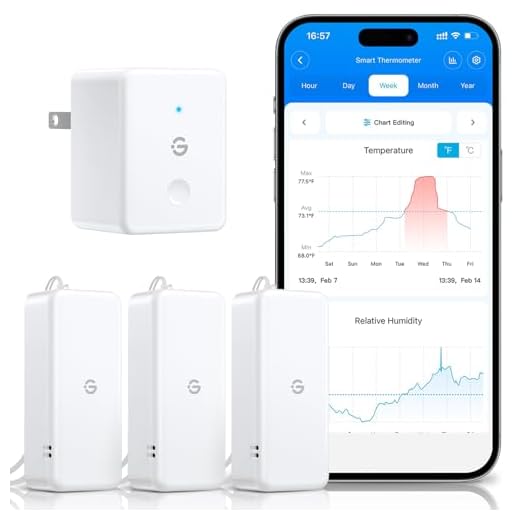
Rapid shifts in warmth can accelerate chemical reactions within the beverage, causing unwanted oxidation or the deterioration of delicate compounds that contribute to its character. This degradation can result in off-flavors and a less enjoyable experience for those savoring the drink. Regularly monitoring conditions using a thermometer ensures that any significant deviations are promptly addressed.
In addition to immediate effects, prolonged exposure to inconsistent environments can lead to long-term damage. Bottles can expand and contract, potentially compromising closures and allowing air to infiltrate. This interaction can spoil the drink and alter its essential qualities, making it imperative to maintain a stable environment.
| Fluctuation Effect | Resulting Issue |
|---|---|
| Rapid Increase | Oxidation, altered flavors |
| Rapid Decrease | Potential cork failure, air ingress |
| Frequent Changes | Inconsistent aging, spoilage |
Maintaining a controlled environment not only enhances the characteristics of the liquid but also extends its lifespan. Investing in a reliable storage solution can prevent these fluctuations, ensuring the quality remains intact for every occasion.