Chuck Furuya
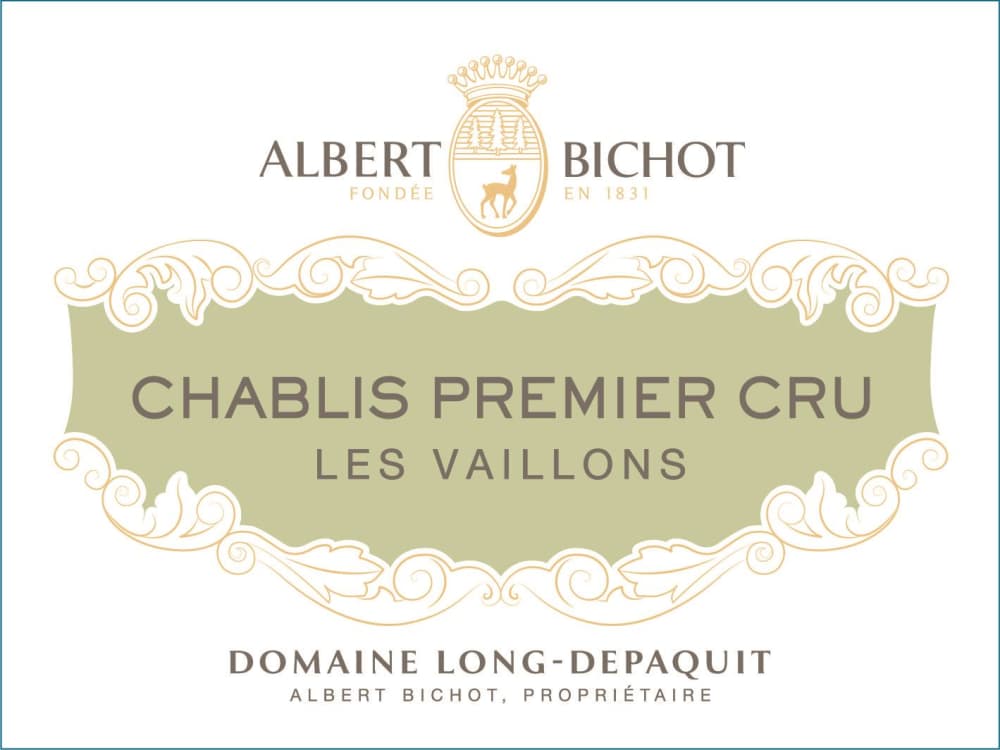

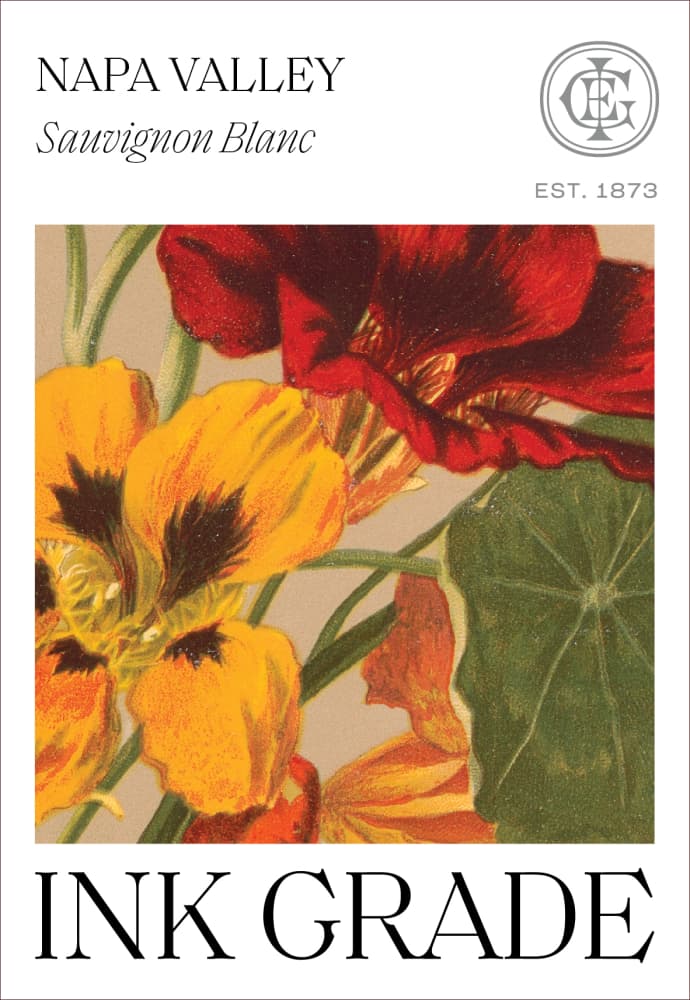
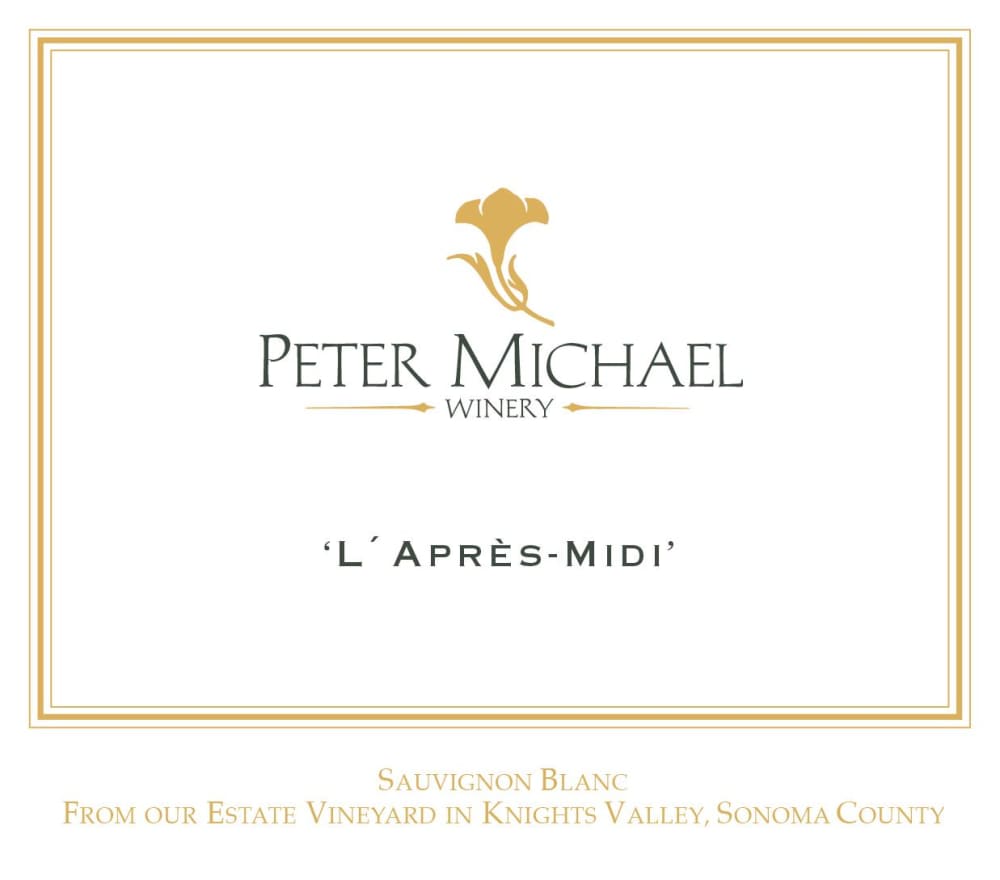
For a delightful pairing with your succulent poultry, I recommend a refreshing Sauvignon Blanc. This varietal’s crisp acidity and vibrant citrus notes complement the savory flavors of the dish, enhancing the overall taste experience.
If you prefer something a bit richer, consider a buttery Chardonnay. Its creamy texture and hints of oak can beautifully balance the juiciness of the meat, creating a harmonious blend on your palate.
Another excellent option is a Pinot Grigio, known for its light body and floral aromas. This choice brings a delightful freshness that lifts the roasted flavors, making each bite even more enjoyable.
For those who enjoy a touch of sweetness, a Riesling can provide an interesting contrast. The slight sweetness works well with herbs and spices, adding depth to the meal.
Ultimately, the key is to choose a beverage that complements the seasoning and preparation of your dish, enhancing your dining experience with each sip.
Choosing the Perfect Pairing for Roast Fowl
Chardonnay stands out as an exceptional choice. Its buttery notes and balanced acidity complement the savory flavors of the bird beautifully.
For something crisper, a Sauvignon Blanc offers refreshing citrus and herbal undertones, enhancing the dish’s seasoning.
Consider a Viognier for a more aromatic experience; its floral and stone fruit characteristics elevate the meal.
In case of a lighter preparation, a Pinot Grigio serves as a delightful option, providing a zesty finish that brightens up the palate.
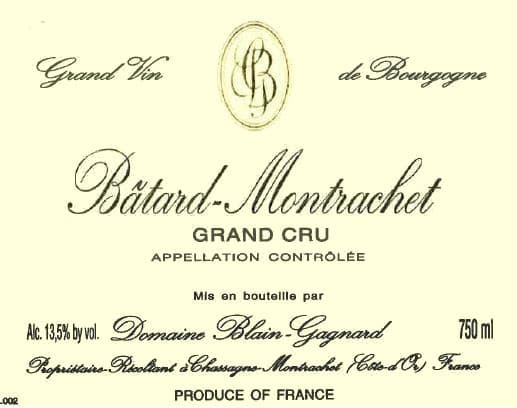
For those who prefer a richer option, a white Burgundy can elevate the dining experience with its depth and complexity.
Here are some suggestions to keep in mind:
- Chardonnay: Opt for unoaked versions for a fresher taste.
- Sauvignon Blanc: Look for those with herbal notes for added complexity.
- Viognier: Choose ones that are well-balanced to avoid overwhelming flavors.
- Pinot Grigio: Select a dry style to maintain crispness.
- White Burgundy: Ensure it has a good balance between richness and acidity.
Experimenting with these varietals will enhance your culinary experience, allowing the natural flavors to shine through.
Choosing the Right Wine Based on Cooking Method
For a dish prepared using dry heat, such as roasting, I prefer a Chardonnay with a hint of oak. This adds depth and complements the crispy skin beautifully. For a poached or steamed variant, a Sauvignon Blanc enhances the delicate flavors without overpowering the dish.
- Roasted preparations: Look for a lightly oaked Chardonnay or a Viognier to balance richness and acidity.
- Grilled variations: A Pinot Grigio or a dry Riesling provides a refreshing contrast to the smoky notes.
- Slow-cooked styles: Opt for a full-bodied white like a Roussanne to elevate the savory elements.
When utilizing herbs and citrus in the seasoning, I lean towards a Sauvignon Blanc or Albariño, as their zesty profiles enhance the dish’s freshness. For creamy sauces, a fuller-bodied option like a barrel-aged Chardonnay can harmonize the flavors effectively.
Flavor Profiles: Matching Wine with Seasoned Chicken
For seasoned fowl, I often recommend a Sauvignon Blanc. Its crisp acidity and herbal notes complement various spices beautifully. If your chicken is prepared with citrus, a good choice is a Pinot Grigio, which enhances the zesty flavors without overpowering the dish. For richer marinades, consider a Chardonnay with a touch of oak, as it pairs excellently with buttery or creamy sauces.
Flavor Pairings
Here’s a quick overview of how different flavor profiles align:
| Seasoning | Recommended Pairing |
|---|---|
| Herbs (thyme, rosemary) | Sauvignon Blanc |
| Citrus (lemon, orange) | Pinot Grigio |
| Spicy (paprika, chili) | Riesling |
| Garlic and butter | Chardonnay |
| Smoky (grilled) | Viognier |
Tasting Notes
When selecting your beverage, consider the dominant flavors in your preparation. The acidity in Sauvignon Blanc cuts through rich seasoning, while the floral notes of Viognier can enhance smoky grilled variations. Experimenting with different profiles can lead to delightful discoveries that elevate your dining experience.
Best Varietals for Roast Chicken
Chardonnay stands out as a top choice for pairing with this dish. Its creamy texture and hints of citrus complement the savory flavors beautifully. Opt for an oaked version to enhance the richness of the meat.
Sauvignon Blanc is another excellent option. Its crisp acidity and herbal notes work wonders, especially with herb-seasoned preparations. The freshness cuts through any richness, making each bite refreshing.
Alternatives to Consider
Pinot Grigio offers a lighter alternative, bringing a clean and fruity profile that balances well with roasted poultry. Its zesty character enhances the overall experience without overshadowing the flavors.
For a unique twist, try a Viognier. This varietal’s floral aroma and stone fruit notes can add an intriguing layer to your meal. Its full-bodied nature pairs nicely with roasted skin, creating a delightful contrast.
Regional Picks
If you’re inclined towards regional selections, consider an Italian Verdicchio. Its minerality and subtle fruitiness harmonize well, especially with Mediterranean-style seasoning. Alternatively, a French Côtes de Provence can provide a refreshing and aromatic experience.
Each of these varietals brings distinct characteristics that enhance the overall enjoyment of the dish. Experimenting with different options can lead to delightful discoveries in flavor combinations.
Serving Temperature and Glassware Recommendations
For optimal enjoyment, I recommend serving chilled beverages at a temperature between 45°F and 50°F (7°C to 10°C). This range enhances the refreshing qualities while allowing the intricate aromas to emerge. If the beverage is served too cold, the flavors may become muted.
Utilize a standard white wine glass, which features a narrower bowl. This shape helps concentrate the aromas and directs them toward the nose, enhancing the overall tasting experience. The slightly tapered rim ensures that the liquid flows directly onto the palate, allowing for the most precise flavor perception.
When pouring, fill the glass to about one-third full. This allows enough space for the aromas to develop while preventing spills. If you have a specific variety in mind, consider using a glass designed for that particular type, as it can further enhance the tasting experience.