Chuck Furuya


If you want to create a refreshing summer punch, opt for a dry and crisp selection such as Sauvignon Blanc or Pinot Grigio. These varieties possess bright acidity and fruit-forward notes, perfect for blending with fruits and mixers.
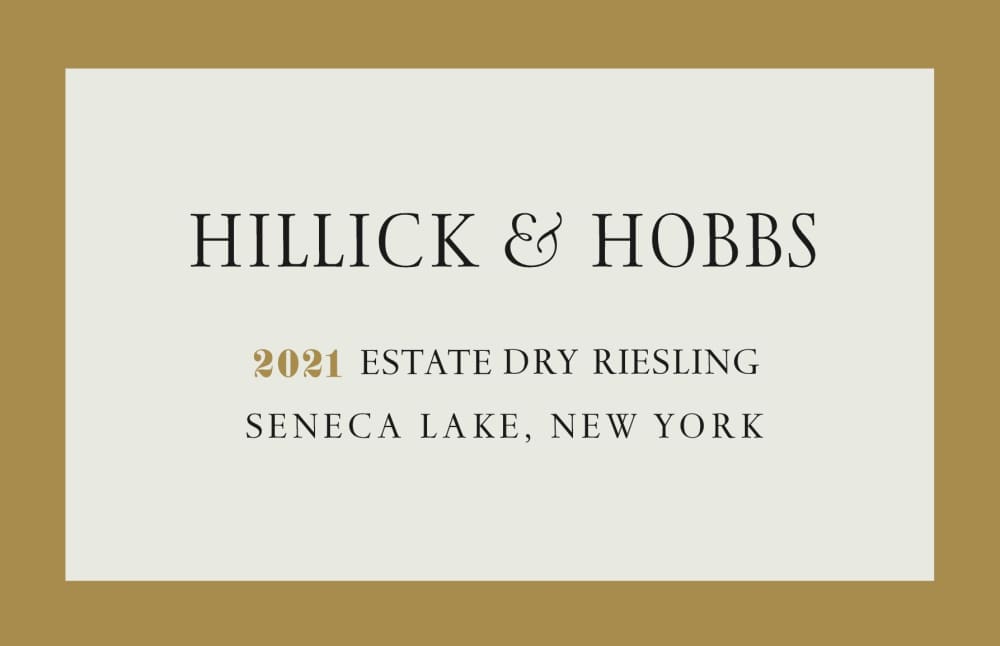
For a more aromatic experience, consider a Riesling that leans towards the dry side. This choice introduces floral and fruity aromas that can enhance the overall profile of your drink without overpowering it.
Avoid oaked options, as they can impart unwanted flavors and heaviness, detracting from the lightness typically desired in a summer beverage. Instead, focus on wines that are clean and zesty to ensure a balanced and enjoyable concoction.
Choosing the Right Blanco for Sangria
I recommend selecting a dry, crisp varietal such as Sauvignon Blanc or Pinot Grigio. These options provide refreshing acidity and fruity notes that complement the additional ingredients beautifully.
Avoid overly oaked selections, as they can overpower the other flavors. Look for wines labeled as “unoaked” or “fresh” to maintain a light and summery character.
If you prefer a hint of sweetness, consider a Riesling or a Vinho Verde, which can enhance the overall profile while still keeping it balanced. The key is to ensure the base has enough acidity to counteract the sweetness of added fruits and mixers.
Experimentation is encouraged; trying different blends can lead to delightful surprises. I often mix in local or regional options for a unique twist, reflecting the flavors of the area.
Ultimately, the best selections enhance the fruit components and create a harmonious drink that’s perfect for warm gatherings.
Choosing the Right Flavor Profile for Your Sangria
Opt for a base that offers a balance of acidity and fruitiness. A good choice would be a refreshing blend with citrus notes, like a Sauvignon Blanc or a Verdejo. These varietals not only complement the sweetness of added fruits but also enhance the overall experience with their crisp finish.
Fruity vs. Herbal Notes
Consider the additional ingredients you plan to incorporate. If you’re leaning towards a fruit-forward combination, a wine with pronounced fruity characteristics will work well. Alternatively, if you enjoy adding herbs like mint or basil, a more herbaceous option such as a Grüner Veltliner could provide a delightful contrast, enriching the drink’s complexity.
Sweetness Levels
Evaluate the sweetness of the chosen blend. A drier selection can balance out the sweetness from fruits such as peaches or strawberries. If you prefer a sweeter concoction, look for a semi-sweet variety that can harmonize with the added flavors without becoming overwhelming.
Ultimately, the key is to experiment with different profiles to find the perfect match that resonates with your taste preferences and the season. Don’t hesitate to try various combinations until you discover your ideal mix.
Understanding the Role of Acidity in White Wine Selection
Choosing a high-acid varietal is key. Grapes such as Sauvignon Blanc and Pinot Grigio tend to offer the crispness needed for a refreshing blend. This acidity balances sweetness from added fruits and syrups, creating a harmonious drink.
Benefits of High Acidity
- Enhances the overall freshness of the beverage.
- Balances the sweetness of fruits and sugars.
- Improves the drink’s longevity and prevents it from tasting flat.
Finding the Right Balance
When mixing, aim for a wine with enough acidity to cut through richer flavors. I recommend tasting the base before adding other ingredients. This allows adjustment for sweetness and acidity, ensuring a well-rounded final product.
For a delightful experience, consider incorporating fruits like citrus and berries, which complement the acidity while adding depth. Remember to adjust ingredient proportions based on the acidity level of your chosen grape, tailoring the drink to your palate.