Chuck Furuya

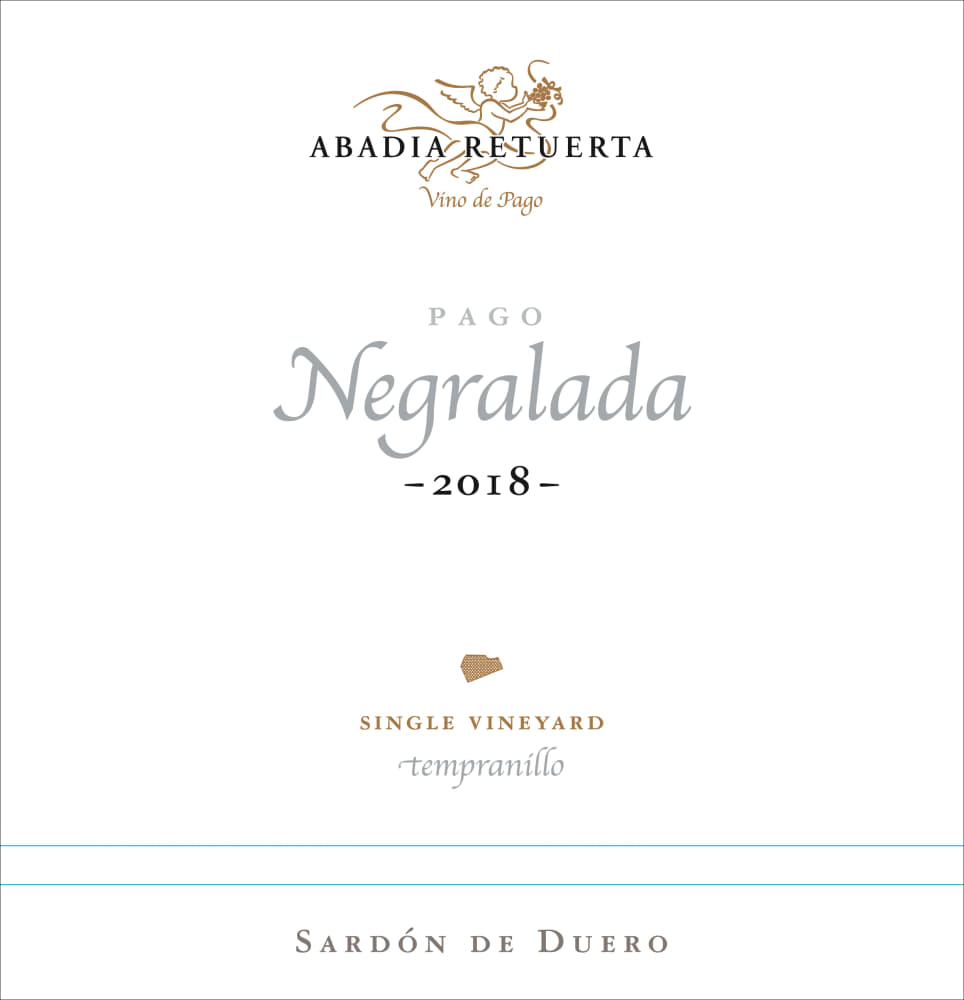
For anyone seeking a captivating experience in the world of fine beverages, I highly recommend exploring this Spanish varietal that boasts a rich history and diverse flavor profile. Originating from the Iberian Peninsula, this grape thrives in various climates, from the hot regions of Rioja to the cooler zones of Ribera del Duero, each imparting unique characteristics to the final product.
The beauty of this red is in its versatility. It can present notes of cherry, plum, and blackberry, often complemented by subtle hints of leather, tobacco, and vanilla, depending on the aging process. When paired with grilled meats, hearty stews, or sharp cheeses, this option shines, making it a perfect companion for a variety of culinary delights.
Exploring the different styles available, from young and fruity to aged and complex, allows for a personalized experience that can cater to individual tastes. Whether enjoyed on its own or alongside a meal, this varietal offers a unique journey through flavor and tradition, inviting enthusiasts to savor its depth and character.
Characteristics of Tempranillo-Based Wines
This grape variety is known for its medium to full body, often exhibiting a rich array of flavors including cherry, plum, and leather. I find the tannins to be smooth, providing a pleasant mouthfeel that complements the fruitiness. The acidity is typically balanced, making it versatile for pairing with various dishes.
Aging Potential
<p Wines crafted from this varietal can age remarkably well. With proper cellaring, they develop complex notes of tobacco, vanilla, and dried fruits over time. I recommend trying a bottle that has been aged in oak barrels, as this imparts additional depth and character to the profile.
Food Pairings
<p. For a delightful dining experience, I suggest pairing these wines with grilled meats, hearty stews, or aged cheeses. The robust flavors harmonize beautifully with savory dishes, enhancing the overall tasting experience.
Origin and History of Tempranillo
Tracing the roots of this grape variety reveals its deep connections to the Iberian Peninsula, particularly Spain. Evidence suggests that it has been cultivated for centuries, with references dating back to the 13th century. Historical texts indicate its presence in regions such as La Rioja, where it became synonymous with the local viticulture.
Historical Significance
The grape likely derives its name from the Spanish word “temprano,” meaning early, reflecting its tendency to ripen sooner than other varieties. Over the centuries, it has adapted to various climates across Spain, thriving in diverse terroirs from the hot plains of La Mancha to the cooler, elevated areas of Ribera del Duero. This adaptability has contributed to its rise in prominence.
Global Expansion
In the late 20th century, interest in this varietal surged beyond Spain’s borders, leading to its cultivation in regions like Portugal, where it is known as Tinta Roriz, and even in the New World, including parts of California and Argentina. Winemakers worldwide have embraced its versatility, producing a range of styles from fruity and fresh to complex and aged, showcasing its global appeal.
This grape’s rich history and evolution reflect a journey marked by tradition and innovation, establishing it as a key player in the global wine scene.
Key Flavor Profiles of Tempranillo
This grape variety showcases a remarkable range of flavors, making it a favorite among enthusiasts. In my experience, the tasting notes can vary significantly based on the region and winemaking techniques. Here are the primary flavor profiles I often encounter:
Primary Flavor Notes
- Cherry: A dominant flavor that often exhibits ripe black and red cherry qualities.
- Plum: This fruitiness adds depth, with some variations leaning towards dried plum or fig.
- Tomato: A unique savory note, reminiscent of sun-dried tomatoes, providing an intriguing twist.
Secondary Flavor Characteristics
- Leather: A common descriptor, particularly in aged varieties, contributing to a rustic charm.
- Spice: I frequently detect hints of clove, vanilla, or cinnamon, especially in oak-aged versions.
- Herbaceous: Notes of dried herbs, such as thyme or rosemary, can occasionally emerge, enhancing complexity.
Additionally, the finish can be marked by earthy undertones or minerality, depending on the terroir. When tasting, I recommend pairing these wines with rich foods, such as grilled meats or aged cheeses, to fully appreciate their multifaceted profile.
Ideal Food Pairings for Tempranillo
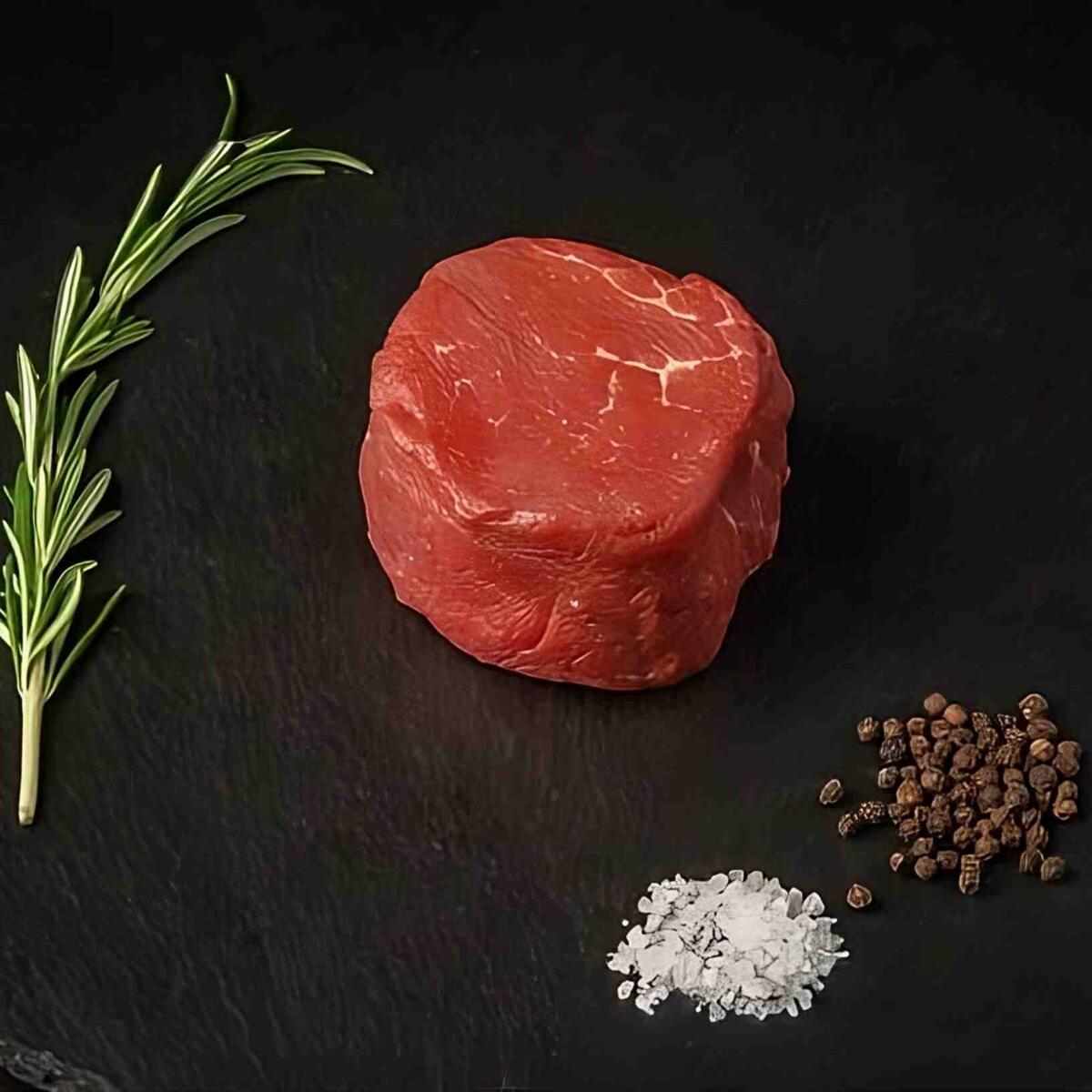
I recommend enjoying this dark varietal with grilled meats, especially lamb and beef. The wine’s robust structure complements the smoky flavors beautifully.
Cheese and Charcuterie
Hard cheeses like Manchego or aged Gouda enhance the rich fruit notes. Pairing with cured meats such as chorizo or prosciutto creates a delightful balance of flavors.
Vegetarian Options
For plant-based dishes, consider roasted vegetables or mushroom risotto. The earthy tones in these meals harmonize with the wine’s profile, providing a satisfying experience.
| Food Pairing | Flavor Profile |
|---|---|
| Grilled Lamb | Smoky, Savory |
| Aged Manchego | Nutty, Creamy |
| Cured Chorizo | Spicy, Rich |
| Roasted Vegetables | Earthy, Sweet |
| Mushroom Risotto | Umami, Creamy |
Regions Known for Tempranillo Production
Spain stands out as the prime location for the cultivation of this grape variety, particularly the regions of Rioja and Ribera del Duero. Rioja is celebrated for its blend of modern and traditional winemaking techniques, resulting in wines that exhibit both fruit-forward qualities and complex aging potential. Ribera del Duero, on the other hand, is known for producing bolder, more robust expressions, often showcasing dark fruit flavors and a pronounced tannic structure.
Other Notable Areas
Beyond Spain, several countries have begun to make a name for themselves with this varietal. Portugal, particularly in the Douro Valley, incorporates this grape into its prestigious Port wines, presenting unique profiles that differ from its Spanish counterparts. Additionally, regions in Argentina and California are experimenting with this varietal, gaining recognition for their innovative approaches and distinct terroirs.
Emerging Regions
Countries like Australia and South Africa are also exploring the potential of this grape. In Australia, regions such as McLaren Vale are producing wines that reflect the local climate, often resulting in fruitier styles. South Africa’s diverse climates allow for varied interpretations, making it an exciting area to watch for quality offerings in the near future.
These regions contribute to a rich tapestry of flavors and styles, showcasing the versatility and adaptability of this grape across the globe.
How to Properly Serve Tempranillo
Serve at a temperature between 60°F to 65°F (15°C to 18°C) for optimal enjoyment. This range allows the complex flavors to fully express themselves without being masked by excessive chill.
Glass Selection
Utilize a large, rounded glass to enhance aeration. A bowl shape allows the aromas to concentrate, improving the overall tasting experience. Avoid narrow glasses that restrict airflow.
Decanting
Decant for at least 30 minutes prior to serving, especially if the bottle is young. This process introduces oxygen, softening tannins and elevating the wine’s bouquet. Older bottles may require less time to breathe.
Pair with appropriate stemware, ensuring cleanliness to avoid any residue that might affect the flavor. The right glass enhances the perception of aromas and tastes, making each sip more enjoyable.