Chuck Furuya

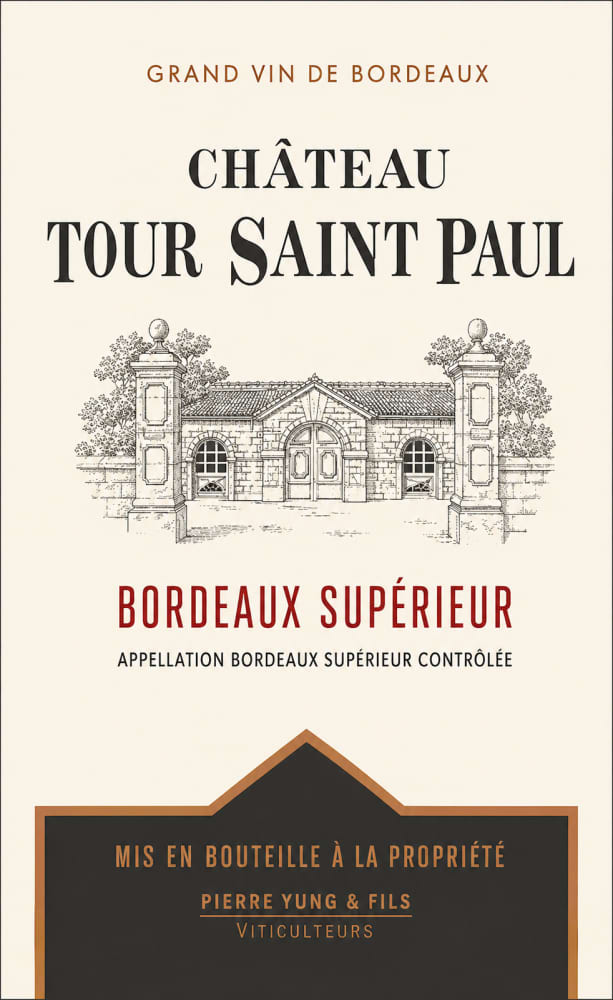
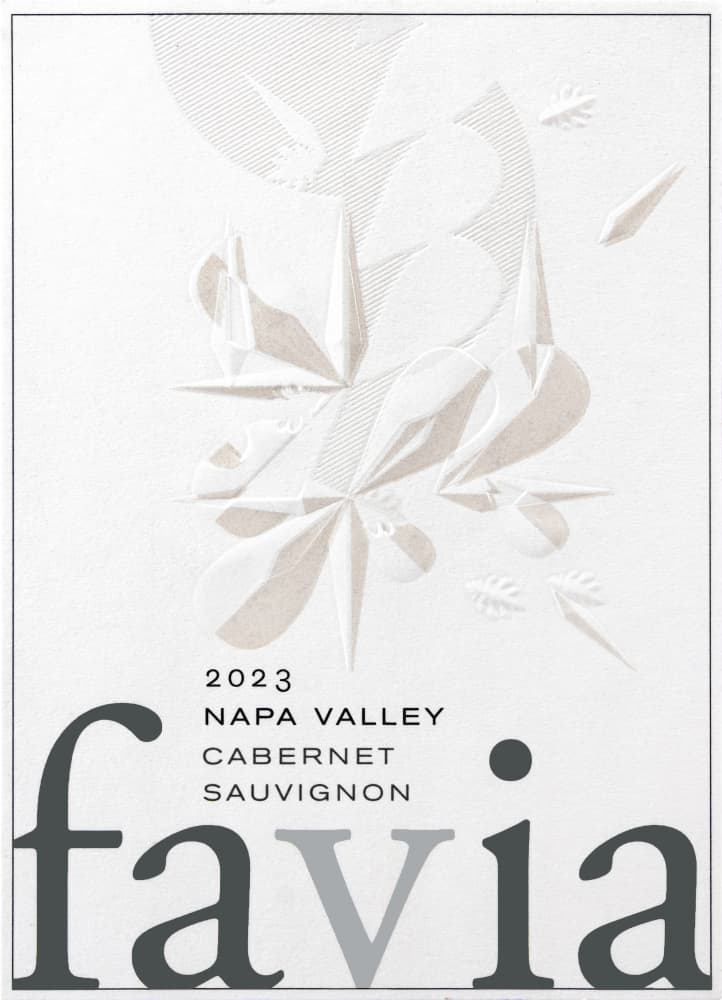
For enthusiasts seeking to expand their palate, I recommend exploring at least 10 distinct types of crimson libations. Each type presents a unique profile, influenced by grape varieties, regions, and production methods.
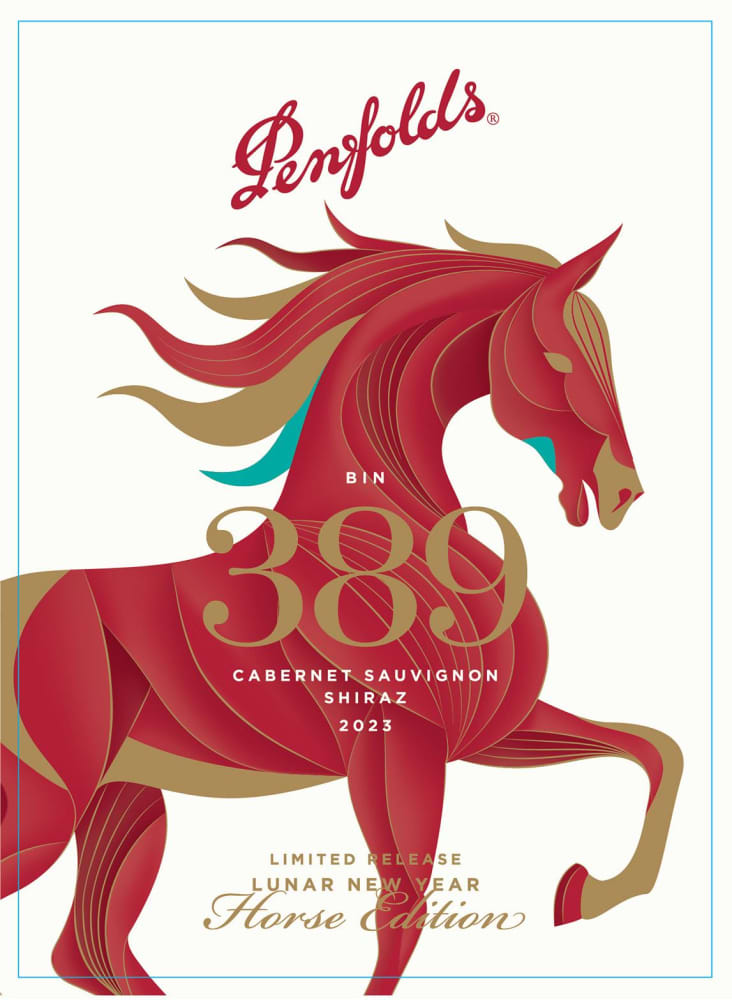
Cabernet Sauvignon stands out with its bold structure and notes of dark fruits. Meanwhile, Merlot offers a softer, fruitier alternative, often characterized by plum and chocolate undertones. Pinot Noir, with its delicate nature, showcases a range of flavors from cherry to earthy nuances, making it a favorite among those who appreciate complexity.
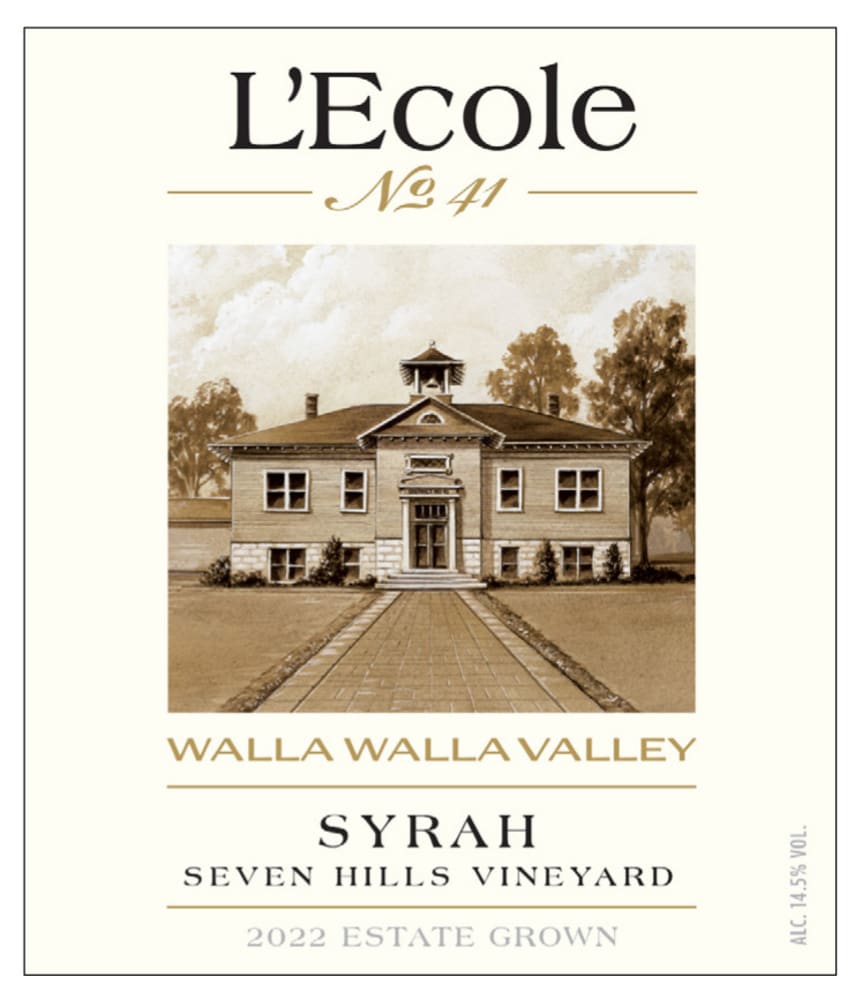
If you enjoy a spicier profile, Syrah/Shiraz delivers robust flavors of blackberry and pepper, while Zinfandel often brings a jammy sweetness with hints of anise. Malbec, known for its dark fruit flavors and velvety texture, is perfect for those who prefer a richer experience. In contrast, Tempranillo from Spain offers earthy, leathery notes that can be quite intriguing.

Additionally, Sangiovese, primarily associated with Italian wines, presents a delightful acidity and cherry flavors, making it versatile for food pairings. Grenache, often blended in various regions, provides berry flavors with a touch of spice. Lastly, Barbera, another Italian gem, is celebrated for its high acidity and low tannins, allowing it to shine with a variety of dishes.
With such a diverse array of options, each tasting can reveal a new layer of enjoyment. I encourage you to explore these different styles and find the ones that resonate with your taste preferences.
Red Wine Options
There are approximately 10 primary types of this beverage, each with unique characteristics that appeal to different palates. Some of the most popular include Cabernet Sauvignon, Merlot, Pinot Noir, Syrah, and Zinfandel. Each type comes from specific grape varieties and regions, contributing to its distinctive flavor profile.
For instance, Cabernet Sauvignon is often full-bodied with notes of dark fruits and a hint of oak, making it an excellent choice for pairing with red meats. In contrast, Pinot Noir is generally lighter, featuring red fruit flavors and earthy undertones, ideal for poultry dishes or even salmon.
Exploring lesser-known types, such as Malbec or Tempranillo, can provide exciting discoveries. Malbec tends to be rich and fruity, while Tempranillo often showcases a blend of cherry and leather flavors. Additionally, blends like Bordeaux and Rhône provide a mix of various grapes, allowing for a complexity that is enjoyable to many.
To enhance your tasting experience, try sampling wines from different regions, as the terroir plays a significant role in flavor. For example, a Cabernet Sauvignon from Napa Valley will differ significantly from one produced in Bordeaux. This exploration can lead to a deeper appreciation for the craft.
In summary, the world of this dark beverage offers an extensive selection, with each type contributing its own unique qualities. Choosing the right one can elevate any meal or occasion.
Understanding Major Red Wine Grapes
Focusing on key grape types enhances appreciation for these beverages. Cabernet Sauvignon stands as a powerhouse, known for its bold flavors and aging potential. Often exhibiting dark fruit notes and herbal undertones, it thrives in regions like Bordeaux and Napa Valley.
Merlot offers a softer profile with plush tannins and ripe fruit characteristics. It’s approachable, making it a favorite among casual drinkers. This varietal shines in both blends and as a stand-alone option, particularly in places like California and Italy.
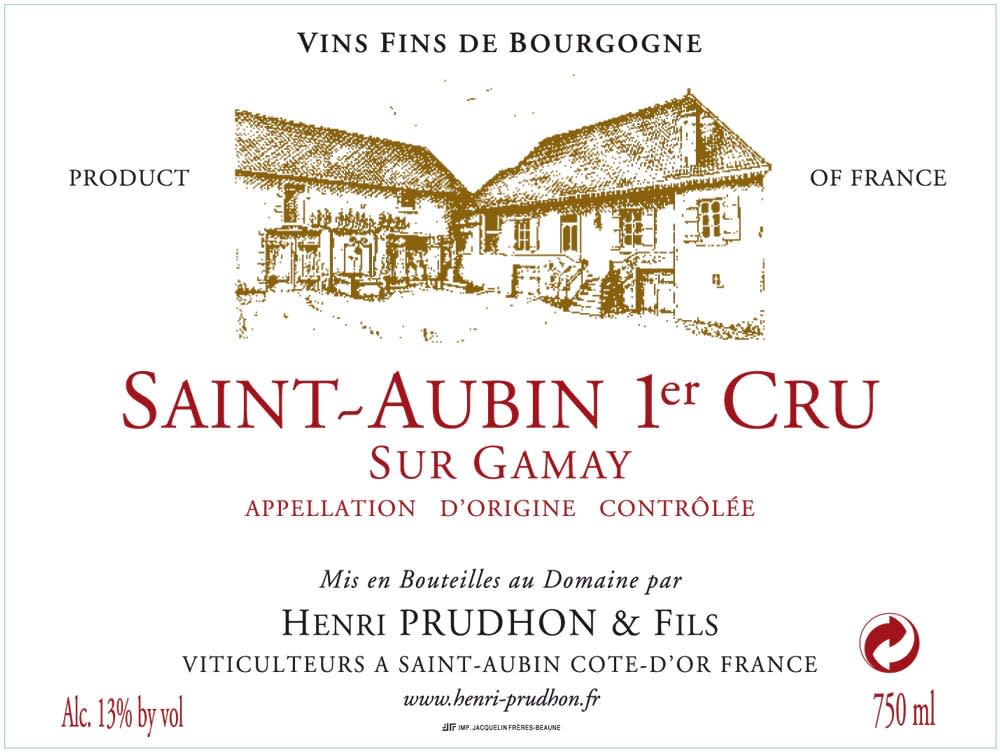
Pinot Noir captivates with its elegance and complexity. It flourishes in cooler climates, producing wines with red fruit aromas and earthy nuances. Notably, regions such as Burgundy and Oregon are renowned for exceptional expressions of this grape.
Syrah/Shiraz presents a bold alternative, with spicy and smoky notes. This grape adapts well to various climates, from the Rhône Valley to Australia, resulting in diverse styles that range from rich and full-bodied to lighter and more aromatic.
Zinfandel is unique to California, celebrated for its jammy fruit and peppery spice. The grape’s ability to produce both robust and lighter styles makes it versatile for food pairings.
Exploring these primary varieties reveals the depth and breadth of flavors and styles available. Each grape contributes distinct characteristics, shaping the tasting experience and food pairing possibilities. Prioritize sampling different expressions to enhance understanding and enjoyment.
Regional Classifications of Wines
Focusing on geographic origins enhances appreciation for different styles and characteristics. Each region imparts unique qualities based on climate, soil, and winemaking traditions.
Bordeaux
Bordeaux, in France, is renowned for its blends, predominantly featuring Merlot and Cabernet Sauvignon. The Left Bank emphasizes Cabernet Sauvignon, while the Right Bank favors Merlot. Noteworthy appellations include Médoc and Saint-Émilion.
Tuscany
Tuscany, Italy, is celebrated for Sangiovese, the backbone of Chianti and Brunello di Montalcino. The region’s varied microclimates influence flavor profiles, creating wines with vibrant acidity and fruit-forward notes.
Exploring these regions reveals distinct profiles, making each sip a reflection of its origin. Understanding these classifications enriches the experience and appreciation of each pour.
Differences Between Old World and New World Red Wines
I recommend focusing on the key characteristics that distinguish Old World from New World options. Old World selections, predominantly from Europe, often showcase a more restrained profile. These selections emphasize terroir, with a strong connection to the land and traditional winemaking techniques. Varietals like Cabernet Sauvignon from Bordeaux or Chianti from Tuscany exhibit earthy notes and nuanced flavors, often highlighting minerals and acidity.
Flavor Profiles
In contrast, New World choices, emerging from regions such as California or Australia, tend to be fruit-forward and bold. The climate influences lead to riper grapes, resulting in wines that are often richer and more opulent. For instance, a Napa Valley Cabernet Sauvignon might present lush blackberry and plum flavors, accompanied by pronounced oak influence.
Winemaking Techniques
Traditional methods dominate in the Old World, where regulations often dictate practices and styles. New World producers are generally more experimental, employing innovative techniques, including blending and aging in various types of barrels. This flexibility allows for a broader range of expressions within the same varietal.
When selecting between these two styles, consider the occasion and personal preference. If you prefer subtler, more complex flavors, explore selections from the Old World. For a bolder, fruit-driven experience, the New World offerings are likely to satisfy.
Exploring Popular Red Wine Blends
I recommend trying a blend of Merlot and Cabernet Sauvignon for a balanced experience. This combination offers rich fruit flavors complemented by a structured body and smooth tannins.
Another intriguing option is a blend of Syrah and Grenache. This duo typically provides spicy notes alongside ripe berry flavors, creating a complex palate that can be both bold and elegant.

For those seeking something unique, consider a Zinfandel and Petite Sirah mix. The former brings jammy fruit characteristics, while the latter adds depth and a touch of peppery spice, resulting in a robust and flavorful profile.
A classic blend is the Bordeaux style, which often includes Cabernet Franc. This variety contributes herbal and floral notes, enhancing the complexity of the blend and making it an excellent choice for food pairing.
If you enjoy Italian wines, look for a Super Tuscan, which typically features Sangiovese blended with international varieties like Cabernet Sauvignon or Merlot. This combination yields an exciting mix of traditional and modern elements.
When selecting a blend, consider the region and the winemaker’s style, as these factors significantly influence the final taste. Don’t hesitate to explore lesser-known blends, as they often provide delightful surprises and unique flavor profiles.
The Impact of Terroir on Red Wine Varieties
Terroir significantly influences the characteristics of different types of crimson beverages. This concept encompasses various factors such as soil composition, climate, and topography, which collectively shape the unique profile of each grape type.

Key Elements of Terroir
- Soil Type: The mineral content and drainage capabilities of the earth affect root growth and grape development. For instance, clay-rich soils tend to produce wines with more body, while sandy soils often yield lighter, more delicate flavors.
- Climate: Temperature variations impact ripening times and sugar levels in grapes. Warmer regions may lead to higher alcohol content, while cooler climates can preserve acidity, resulting in a different tasting experience.
- Topography: Elevation and slope orientation dictate sunlight exposure and air circulation. Vineyards on hillsides often benefit from better drainage and sunlight, which can enhance flavor concentration.
Regional Distinctions
Regions known for their distinctive microclimates, like Bordeaux or Napa Valley, produce specific profiles that wine enthusiasts recognize. For example, Bordeaux’s gravelly soils contribute to the robust nature of Cabernet Sauvignon, while the volcanic soils of Sicily enhance the aromatic qualities of Nero d’Avola.
Understanding the relationship between terroir and grape characteristics enables connoisseurs to appreciate the nuances in flavor, aroma, and texture across different origins. Exploring selections based on these influences can lead to delightful discoveries and a deeper enjoyment of the beverage.
Aging Effects on Various Types of Red Wines
Aging influences different types of dark beverages in distinct ways, enhancing their profile and complexity. Each variety reacts uniquely to the aging process, leading to a spectrum of flavors and aromas.
Key Factors in Aging
- Acidity: Higher acidity wines, like Cabernet Sauvignon, tend to age well, developing rich, complex notes over time.
- Tannins: Varieties with robust tannin structures, such as Syrah, soften and integrate over aging, leading to smoother textures.
- Fruit Characteristics: Fruity wines like Pinot Noir may evolve, with primary fruit flavors fading and secondary earthy notes emerging.
Aging Recommendations by Type
- Cabernet Sauvignon: Best aged for 5 to 20 years, developing layers of black fruit, cedar, and tobacco.
- Merlot: Can be enjoyed young but benefits from 5 to 10 years of aging for enhanced velvety textures and plum flavors.
- Pinot Noir: Optimal between 5 and 15 years, transitioning from bright cherry to complex earth and spice notes.
- Syrah/Shiraz: Aging between 5 and 15 years allows for bold fruit to evolve into darker, spicier profiles.
Understanding how aging impacts specific types of dark beverages aids in selecting the right bottles for immediate enjoyment or long-term cellaring. Each sip can offer a glimpse into the intricate dance between time and terroir.