Chuck Furuya


If you’re seeking a refined beverage that embodies elegance and complexity, I recommend exploring Pinot Noir from the Burgundy region of France. This grape variety thrives in the unique terroir, resulting in a diverse range of flavors that can captivate any palate.
When tasting a glass, expect to encounter an array of aromas, including red fruits like cherry and raspberry, coupled with earthy undertones and subtle hints of spice. The balance between acidity and tannins creates a smooth mouthfeel, making it a perfect companion for various dishes.

For optimal enjoyment, consider pairing this exquisite varietal with roasted poultry, mushroom risotto, or even a selection of soft cheeses. Each sip reveals the artistry of the winemakers and the distinct characteristics of the region, making it a truly exceptional choice for any occasion.
Understanding the Pinot Noir Grapes in Red Burgundy
The Pinot Noir grapes are the cornerstone of the esteemed offerings from this region. These varietals thrive in the unique terroir, characterized by limestone-rich soils and a temperate climate, which significantly influences their development. Each vineyard showcases distinct characteristics, often reflecting the nuances of its specific location.
Characteristics of Pinot Noir from this Region
The wines produced from Pinot Noir exhibit a remarkable range of flavors, from cherry and raspberry to earthy undertones. The acidity is typically bright, providing a refreshing quality that balances the fruitiness. Tannins are generally soft, allowing for a smoother mouthfeel. As these wines age, they develop complexities such as mushroom, truffle, and leather notes, enhancing their allure.
Wine-Making Techniques
<p. Traditional methods are often applied in the vinification process, including whole cluster fermentation and minimal intervention. This approach allows the true expression of the grapes to shine through. Some producers also utilize oak aging, which can impart subtle spice and vanilla nuances, further enriching the profile of the finished product.
Pairing Red Burgundy with Food: Best Combinations
For a delightful experience, I recommend serving this exquisite wine with duck confit. The rich, savory flavors of the duck complement the wine’s delicate fruit notes beautifully.
Another excellent match is grilled salmon. The wine’s acidity balances the fatty texture of the fish, enhancing both the meal and the drink.
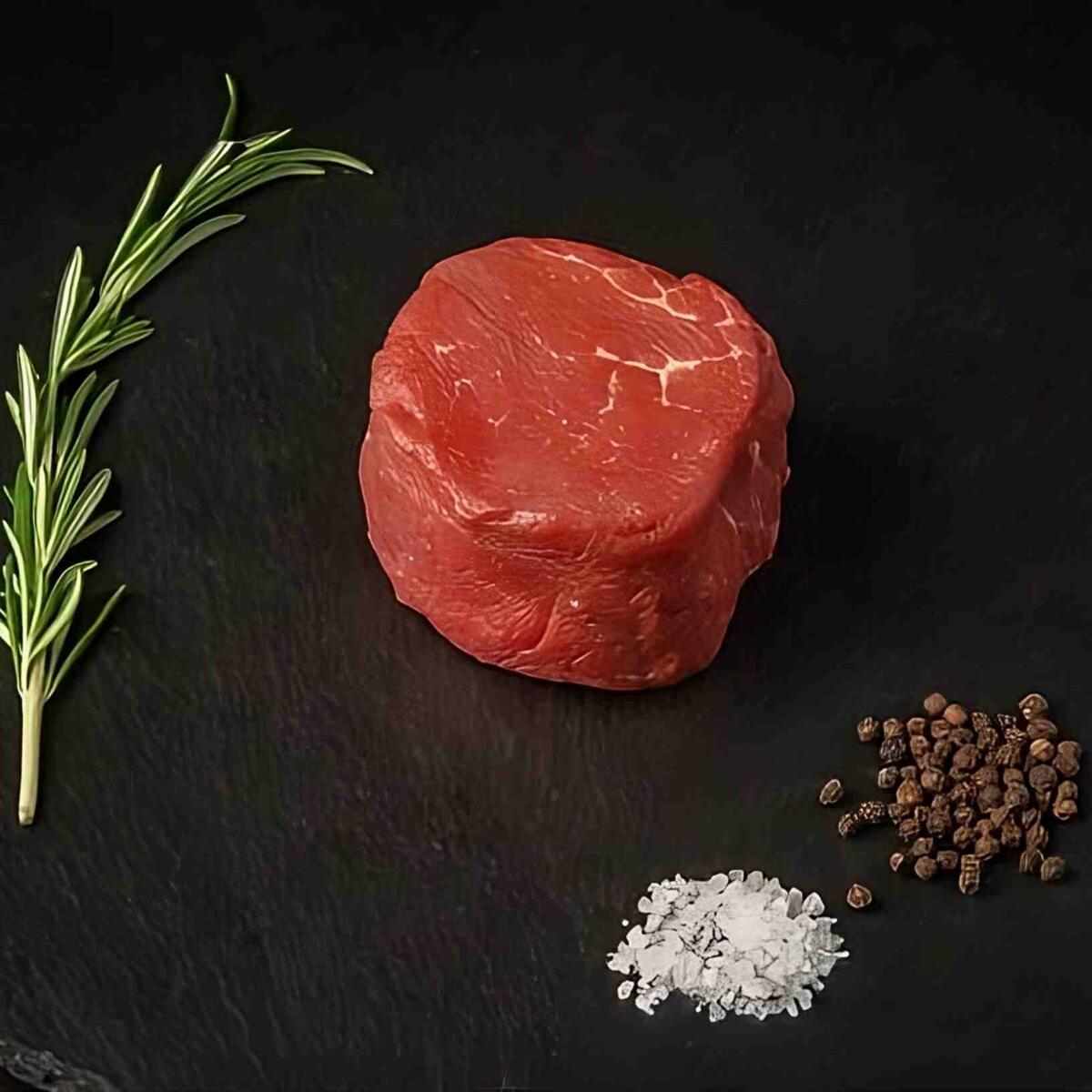
Beef bourguignon is a classic pairing, as the robust flavors in the dish harmonize with the depth of the wine. The earthiness of the mushrooms in the stew amplifies the wine’s character.
Try it with mushroom risotto for a vegetarian option. The umami from the mushrooms brings out the wine’s complexity, creating a satisfying combination.
Charcuterie boards featuring cured meats and aged cheeses also shine alongside this varietal. The varied flavors and textures create an enjoyable tasting experience.
For something lighter, consider roasted chicken with herbs. The subtle flavors of the dish enhance the wine’s elegance without overpowering it.
Lastly, enjoy it with a selection of dark chocolate desserts. The wine’s fruitiness and tannins beautifully contrast with the richness of the chocolate.
Storing and Serving Red Burgundy: Temperature and Glassware
Maintain optimal enjoyment by storing this exquisite beverage at a consistent temperature between 50°F and 55°F (10°C to 13°C). Avoid fluctuations that can compromise quality. A dedicated wine fridge or a cool cellar is ideal for preservation.
Before serving, allow it to breathe for approximately 30 minutes to an hour after pouring. This enhances flavors and aromas, providing a more enjoyable tasting experience.
Use appropriate glassware to maximize the sensory experience:
- Choose a medium-sized, tulip-shaped glass. This design concentrates aromas and allows for better aeration.
- A wider bowl facilitates swirling, enhancing oxygen exposure.
- Ensure the glass has a fine rim for an elegant sipping experience.
Serving temperature plays a vital role in flavor perception. Aim for 55°F to 60°F (13°C to 16°C) at the time of pour. You can achieve this by placing the bottle in an ice bucket for a short duration or refrigerating it briefly if it’s too warm.
By following these guidelines, the unique characteristics of this wine can be appreciated fully, enhancing both the aroma and taste during your next gathering or quiet evening.