Chuck Furuya


If you seek a deep, astringent experience, I recommend exploring wines like Tannat or Cabernet Sauvignon. These varieties are known for their robust tannin structure, which contributes to a noticeable sharpness on the palate.
Tannat, particularly from regions like Madiran in France or Uruguay, showcases a powerful profile with earthy undertones. The grape’s high tannin content creates a firm mouthfeel, often leaving a lingering bitterness that can be quite captivating.
On the other hand, Cabernet Sauvignon, especially those from Napa Valley or Bordeaux, offers bold flavors coupled with significant tannins. Its dark fruit notes and herbal characteristics can balance the intensity, making for a complex tasting experience.
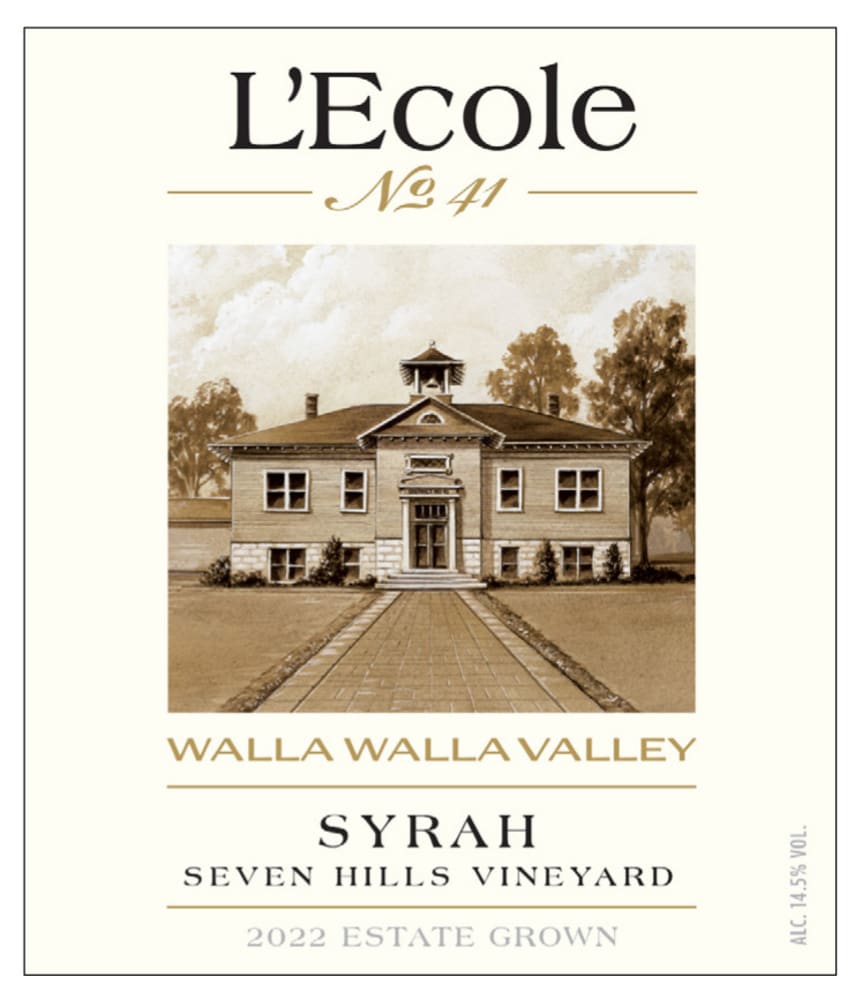
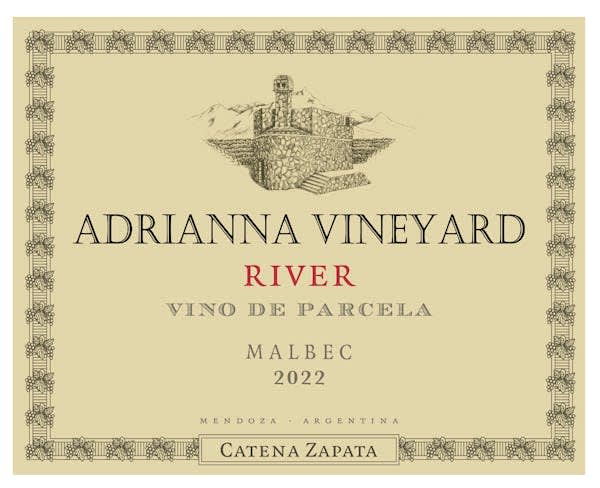
For a unique twist, consider exploring Syrah or Malbec. Wines from these varietals can exhibit similar traits with varying profiles, allowing for a range of tastes that still satisfy the craving for something sharp and intense.
Identifying the Characteristics of Bitter Red Wines
To recognize a sharp and astringent beverage, I focus on specific traits. High tannin levels are a primary indicator, often derived from grape skins, seeds, and stems. Varieties like Cabernet Sauvignon or Syrah typically exhibit pronounced tannins, enhancing that dry mouthfeel.
Acidity plays a significant role as well. A lively acidity can amplify the perception of sharpness, especially in younger vintages. I often find that wines from cooler climates, such as those from regions like Bordeaux or the Loire Valley, tend to possess this characteristic.
Next, I consider the aging process. Extended maturation in oak barrels can introduce additional complexity, with notes of spice and bitterness. It’s common for these beverages to display earthy undertones or hints of dark chocolate, further contributing to a robust profile.
In tasting, I pay attention to the finish. A prolonged aftertaste often indicates higher levels of tannins and acidity, which can enhance the perception of astringency. The interplay of these elements is crucial to understanding the overall experience.
Finally, I recommend tasting in a controlled environment. This allows for careful evaluation of flavors without external influences. Pairing with food can also alter the perception of bitterness, enhancing or softening the experience.
Top Grape Varieties Known for Bitterness
Cabernet Sauvignon stands out due to its high tannin content, contributing to a pronounced astringency. This classic varietal often displays notes of blackcurrant and cedar, enhancing its complex profile.
Petite Sirah offers a robust structure with deep color and rich tannins, leading to a slightly sharp finish. Its dark fruit flavors, alongside hints of pepper, create a distinctive experience.
Tannat, originally from France, is recognized for its intense tannins and bold character. This grape brings forth flavors of dark berries and earthy undertones, packing a punch that appeals to those seeking a more intense sip.
Syrah, particularly from warmer climates, showcases a balance of fruit and spice with a noticeable tannic backbone. Its rich flavors often include black fruit and smoky notes, providing a layered tasting experience.
Malbec, especially from Argentina, features a smooth yet firm structure. While primarily fruit-driven, its tannins can impart a slight bitterness that complements its plum and blackberry notes.
Nebbiolo, known for Barolo and Barbaresco, possesses high acidity and tannin levels, delivering a unique bitterness that pairs well with its floral and cherry characteristics.
Each of these varieties brings its own unique profile, making them intriguing choices for those exploring the more astringent side of viniculture.
How Terroir Influences Bitterness in Red Wines
Climate, soil type, and geographical location play pivotal roles in shaping the astringency of grape varieties. Notably, regions with warmer climates often produce grapes that are riper, leading to a smoother, less astringent profile. Conversely, cooler areas can result in grapes with higher acidity and tannins, contributing to a more pronounced sharpness in flavor.
Soil composition affects phenolic compounds in grapes, which are critical for determining astringency. For example:
- Clay soils tend to retain moisture, producing grapes with higher sugar levels and softer tannins.
- Sandy soils facilitate drainage, leading to smaller berries with concentrated flavors and increased tannin structure.
- Limestone-rich soils can impart mineral qualities that enhance the perception of bitterness.
Elevation also impacts grape quality. Higher altitudes typically offer cooler temperatures, which can lead to slower ripening and increased phenolic development. This results in wines with a more robust and sometimes harsh profile, depending on other environmental factors.
Microclimates within a region can create variations in flavor profiles. Areas that experience significant temperature fluctuations between day and night often yield grapes with balanced acidity and pronounced tannins, enhancing the overall bitterness.
Understanding these terroir components allows for better predictions regarding the final flavor profiles of wines. When selecting varietals, consider the origin and specific characteristics of the region to gauge potential astringency levels. This knowledge can guide choices for food pairings and enhance the tasting experience.
Comparing the Tannins in Bitter Red Wines
When tasting wines with a pronounced sense of astringency, the role of tannins stands out prominently. Tannins, derived from grape skins, seeds, and stems, contribute significantly to the texture and flavor profile of these beverages. In my experience, wines with higher tannin levels often present a more intense mouthfeel, which can be perceived as a harsh or pucker-inducing sensation.
Understanding Tannin Levels
To quantify tannin content, various methods such as the phenolic index or polyphenol measurement can be utilized. For instance, a wine with a phenolic index above 1,500 mg/L is generally classified as high in tannins. Varietals such as Cabernet Sauvignon and Nebbiolo typically exhibit levels within this range, making them prime examples for those seeking a more intense experience.
| Grape Variety | Tannin Level (mg/L) |
|---|---|
| Cabernet Sauvignon | 1,500 – 3,500 |
| Nebbiolo | 1,400 – 3,200 |
| Syrah | 1,200 – 2,800 |
| Tannat | 1,800 – 4,000 |
Pairing and Enjoyment
For those who appreciate astringency, pairing these wines with fatty foods can balance the tannin impact, enhancing the overall tasting experience. Cheeses like aged cheddar or meats like lamb work particularly well. Experimenting with different pairings can reveal a range of flavors that complement the tannic structure, transforming each sip into a well-rounded experience.