Chuck Furuya

For a harmonious experience, I recommend opting for a crisp, chilled option. The refreshing acidity complements the rich, fatty texture of the fish, enhancing its natural flavors. Look for a bottle with notes of citrus and green apple, which can elevate the dish to new heights.
On the other hand, a lighter selection can also work well, particularly if it has hints of red fruit. The subtle tannins can create an intriguing contrast, especially when paired with a preparation that includes herbs or a glaze. The key is to ensure that the chosen beverage does not overpower the delicate nuances of the fish.
In my experience, exploring local varieties can lead to surprisingly delightful matches. Regional selections often have flavor profiles that resonate beautifully with local cuisine, making for a memorable meal. Ultimately, the best choice hinges on the method of preparation and the accompanying ingredients, so take these into account when making your decision.
Red or White: Best Beverage for Salmon
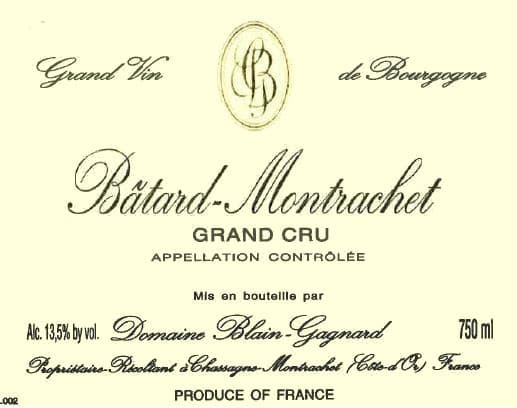
I recommend choosing a light-bodied beverage, preferably with higher acidity, to complement the flavors of salmon effectively. A chilled glass of Chardonnay or Sauvignon Blanc enhances the dish by balancing its richness.
For those who prefer a bolder option, a Pinot Noir can work surprisingly well. Its light tannins and fruity notes can elevate the meal, providing a delightful contrast to the fish’s texture.
| Type | Flavor Profile | Serving Temperature | Food Compatibility |
|---|---|---|---|
| Chardonnay | Crisp, fruity, with buttery notes | 45-50°F (7-10°C) | Grilled or roasted salmon, creamy sauces |
| Sauvignon Blanc | Bright, citrusy, herbal | 45-50°F (7-10°C) | Lightly seasoned or citrus-glazed salmon |
| Pinot Noir | Light, red fruit, earthy undertones | 55-60°F (13-16°C) | Smoked or teriyaki salmon |
In conclusion, the choice of beverage ultimately depends on personal taste and the specific preparation method of the dish. Experimenting with various options can lead to delightful discoveries that enhance the overall dining experience.
The Flavor Profile of Salmon: What to Consider
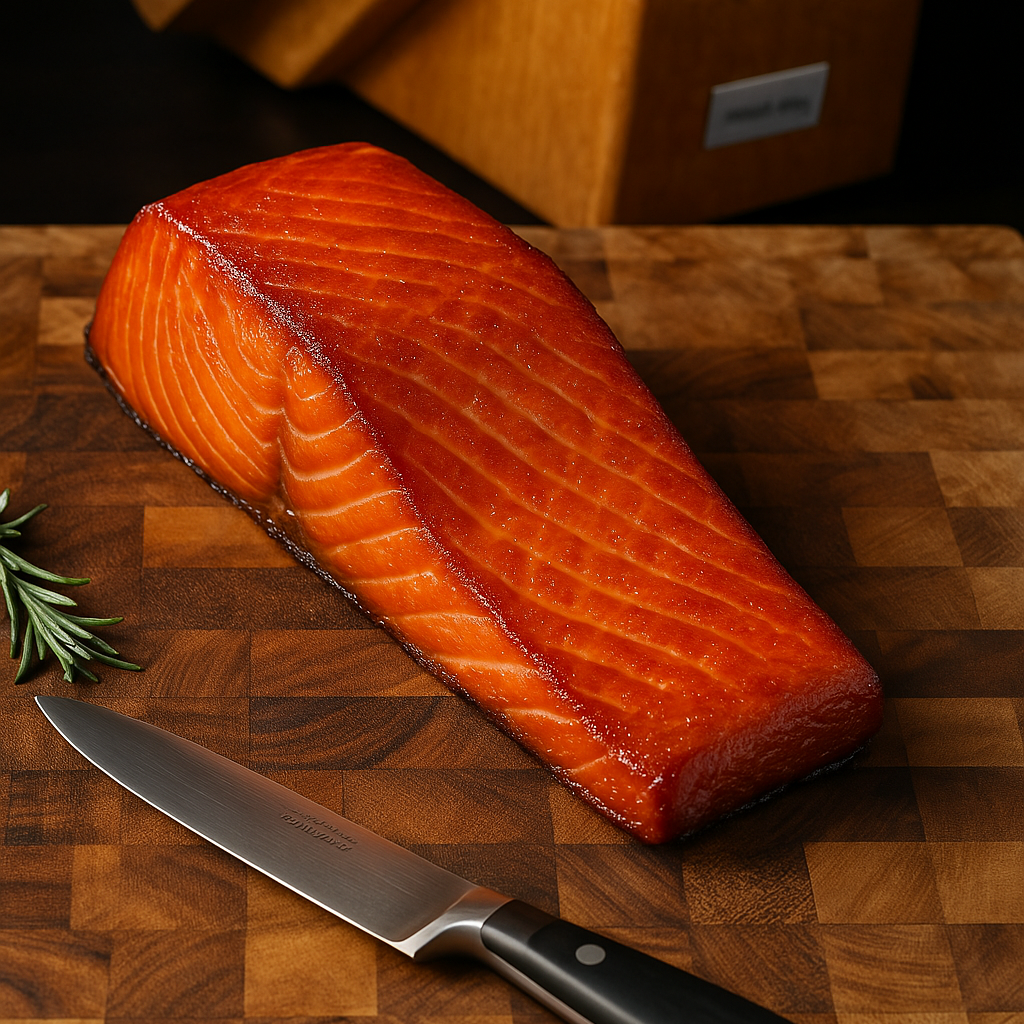
When selecting a beverage to accompany this fish, I focus on its nuances: the rich, buttery texture paired with a delicate sweetness and subtle brininess. These attributes encourage me to explore options that will enhance rather than overshadow its character.
For instance, the method of preparation plays a significant role. Grilled or smoked preparations bring out deeper, smoky notes, while poached or baked options maintain a lighter profile. This contrasts with the seasoning used; herbs like dill or citrus elements can brighten the dish, inviting different companion options.
Another aspect I consider is whether I’m serving it alongside a sauce. A creamy or buttery sauce may call for a specific selection that complements its richness, while a tangy glaze might lead me toward a more zesty option. The synergy between flavors can elevate the dining experience significantly.
Finally, the origin of the fish matters. Wild-caught varieties often present a more pronounced flavor compared to farmed. This distinction influences my choice of beverage, as I aim to match the intensity and profile of the fish.
Characteristics of Red Wine Suitable for Salmon
Opt for a light-bodied option, such as Pinot Noir, which complements the delicate texture of fish. This varietal features bright acidity and soft tannins, enhancing the dish without overpowering it.
Seek flavors of cherry, raspberry, and subtle earthiness that harmonize with the fish’s natural oils. These fruity notes create a pleasant contrast, bringing out the savory elements of the meal.
Avoid overly oaked selections, as they can introduce excessive richness. Instead, look for those aged in neutral barrels or stainless steel, which maintain a clean profile.
The ideal accompaniment will have moderate alcohol content, usually around 12-14%. This balance ensures that the drink refreshes rather than weighs down the palate.
Consider a slight chill to enhance the refreshing qualities. Serving temperature around 55°F (13°C) can elevate the tasting experience, allowing the wine’s aromas to unfold beautifully.
Finally, seek wines from cooler climates, as they tend to retain acidity and fruit brightness, making them a more suitable match for the nuanced flavors of the fish.
Characteristics of White Wine Suitable for Salmon
Opt for a crisp, refreshing choice that complements the flavors of the fish. Look for wines that exhibit the following traits:
- Acidity: A higher acidity level enhances the dish’s richness, balancing the natural oils found in salmon.
- Fruit Forward: Notes of citrus, green apple, or stone fruits can elevate the overall dining experience.
- Minerality: Wines with a mineral backbone, such as those from coastal regions, can mirror the oceanic essence of the fish.
- Light to Medium Body: Avoid heavy options; a lighter profile will not overpower the delicate taste of the dish.
- Oak Influence: If choosing an oaked variety, opt for subtle hints rather than overwhelming flavors. A touch of vanilla or toast can enhance complexity without dominating.
Recommended Varieties
Consider specific varietals that excel in these areas:
- Sauvignon Blanc: Known for its zesty acidity and herbaceous notes, this grape often features citrus and green apple aromas.
- Chardonnay: A unoaked version offers bright acidity, while a lightly oaked one can provide a creamy texture that pairs well.
- Pinot Grigio: Offers a light, crisp character with hints of pear and melon, making it a versatile choice.
- Albariño: This Spanish varietal delivers high acidity and stone fruit notes, complementing seafood beautifully.
Incorporating these characteristics will enhance your meal, creating a harmonious balance between the dish and your chosen beverage.
How Cooking Methods Affect Wine Pairing with Salmon
When preparing salmon, the cooking technique significantly influences the choice of beverage. Each method alters the fish’s flavor profile, texture, and aroma, which in turn affects the ideal accompaniment. Here’s a breakdown of how different cooking styles can guide your selection.
- Grilling: This method imparts smoky notes and charred flavors. A crisp, high-acid beverage complements the richness of the fish while cutting through the smokiness. Look for options that exhibit bright citrus or herbal notes.
- Baking: Baking salmon typically results in a tender, moist dish. A fuller-bodied option with balanced acidity pairs well, enhancing the fish’s natural flavors. Consider choices with subtle oak influence for added complexity.
- Poaching: This gentle cooking method retains moisture and highlights the fish’s delicate flavors. A light and refreshing drink is ideal, particularly those with floral or fruity undertones. Aim for a selection that won’t overshadow the intricate flavors.
- Searing: Searing offers a contrast between crispy edges and tender flesh. A robust choice works well here, especially one with moderate tannins. This allows for a harmonious blend with the textures presented in the dish.
- Smoking: Smoked preparations add depth and intensity. Opt for a beverage that can stand up to the strong flavors, perhaps one with earthy or spicy characteristics that complement the smokiness.
By considering the cooking technique, I can enhance my dining experience, ensuring the beverage elevates the meal rather than competes with it.
Regional Pairing: Wines from Salmon’s Origin
When sourcing beverages that complement fish from specific regions, I often seek varieties local to where the fish is caught. For example, salmon from the Pacific Northwest pairs excellently with Pinot Gris or Riesling, which are prevalent in Oregon and Washington. These whites have a crispness that brightens the dish’s rich flavors.
In contrast, salmon sourced from the Atlantic, particularly from areas like Norway or Scotland, benefits from Chardonnay or Sauvignon Blanc, which display fruity notes and acidity that enhance the fish’s natural taste. These wines often reflect the terroir, embodying the essence of their environment.
Exploring lesser-known regions can yield surprising finds. For instance, salmon from New Zealand can be harmoniously matched with a local Sauvignon Blanc. The bright acidity and tropical fruit notes in these wines resonate beautifully with the fish’s texture.
In Japan, where salmon is integral to cuisine, pairing it with a Junmai sake is a delightful choice. This rice wine, with its umami profile, complements the delicate flavors of the fish, showcasing the cultural connection between the food and beverage.
Ultimately, choosing beverages from the same region as the fish not only enhances the dining experience but also emphasizes the unique characteristics of both the dish and the drink. Each sip and bite tells a story of its origin, creating a more immersive meal.
Common Misconceptions About Wine Pairing with Salmon
Many believe that only lighter beverages complement this fish, leading to the assumption that darker varieties are off the table. This isn’t always true; certain robust selections can enhance specific preparations of salmon. For instance, grilled or smoked versions can hold up to a bolder choice, creating a unique taste experience.
Another frequent misconception is that sweetness must be avoided at all costs. However, a hint of residual sugar can beautifully balance the richness of salmon, especially when served with a fruit-based sauce. The interplay of flavors can surprise even the most discerning palates.
Some may think that pairing needs to follow strict guidelines, but this rigid approach can stifle creativity. Personal preferences should guide selections, allowing for experimentation. Each dish has its own character, which may not always align with traditional rules.
It’s also common to disregard regional compatibility. While certain regions might have popular pairings, local beverages can offer delightful surprises. Exploring lesser-known options can lead to memorable dining experiences.
Lastly, the notion that all cooking techniques yield similar results in terms of pairing is misleading. The method of preparation significantly impacts the overall flavor profile, and this should inform the choice of accompanying drink. Roast, poach, or grill–each alters the taste of the fish and its ideal companion.