Chuck Furuya
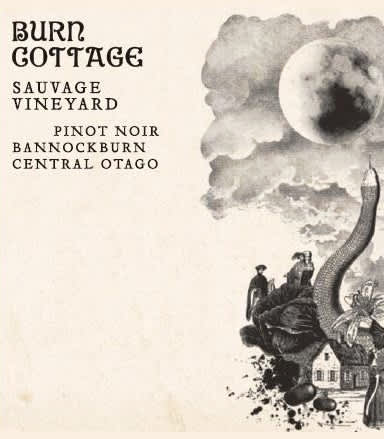

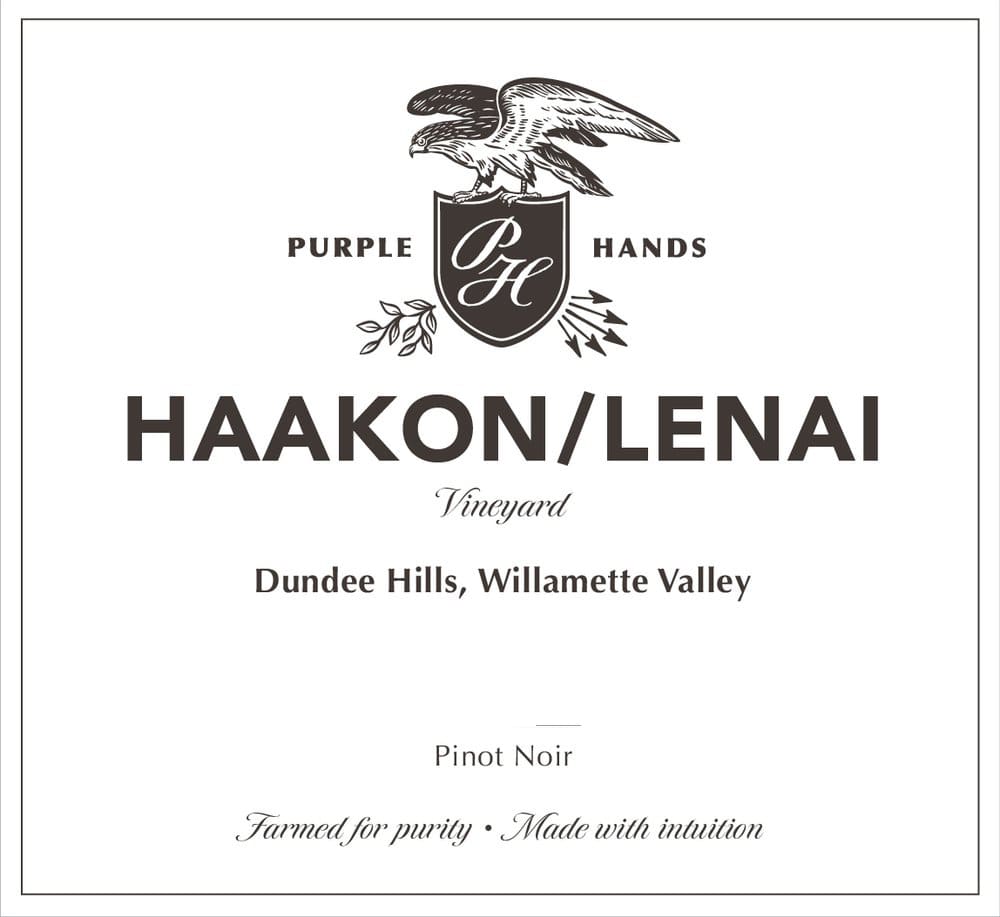
For a delightful match, I recommend a soft and creamy cheese like Camembert or the classic French variety. A light-bodied Pinot Noir complements the earthy notes while enhancing the cheese’s rich texture. The acidity of this grape variety cuts through the creaminess, creating a balanced experience.
If you’re seeking a bolder option, consider a Merlot. Its smooth tannins and dark fruit flavors harmonize beautifully with the buttery profile of the cheese. The wine’s plush mouthfeel enhances the overall tasting experience, making for a satisfying pairing.
For those who enjoy a hint of spice, a Syrah can elevate the combination even further. The smoky undertones and dark berry notes create an intriguing contrast that pairs well with the cheese’s creaminess. This choice is perfect for a more adventurous palate.
Pairing Suggestions for Soft Cheese
For a delightful experience, I recommend choosing a light-bodied Pinot Noir. This variety offers fruity notes that complement the creamy texture beautifully.
Other Excellent Options
- Gamay: The bright acidity and berry flavors work well, enhancing the cheese’s richness.
- Merlot: A softer profile, with plum and chocolate notes, pairs nicely without overshadowing.
- Barbera: Its high acidity and low tannins balance the creaminess, making each bite enjoyable.
Serving Tips
Serve slightly chilled to bring out the best flavors. Include fresh fruits such as apples or pears to enhance the tasting experience. A crusty baguette can also provide a delightful contrast to the smoothness of the cheese.
Understanding Brie Cheese Flavors
Brie showcases a complex flavor profile that can enhance the experience of any pairing. Its creamy texture and buttery notes create a delightful mouthfeel. The taste can vary significantly depending on the aging process, resulting in a spectrum of flavors.
Fresh brie often presents a mild, slightly earthy essence, with hints of mushrooms and grass. As it matures, the flavor deepens, introducing more pronounced notes of nuttiness and a subtle tang. I appreciate how the rind contributes to the overall taste, offering a contrast of earthiness and slight bitterness.
When considering accompaniments, the following aspects stand out:
- Texture: The creaminess interacts beautifully with smooth and velvety textures.
- Flavor: Pairings that balance the mildness of brie, such as fruit preserves or honey, can enhance its softer notes.
- Acidity: A touch of acidity can cut through the richness, creating a harmonious balance.
Experimenting with different varieties can yield surprising results. For instance, a brie infused with herbs or truffles can add unique dimensions to the tasting experience. Each cheese has its character, making exploration worthwhile.
Understanding these nuances allows for a more thoughtful selection of partners, ultimately enriching the overall enjoyment of brie.
Characteristics of Red Varietals
Focusing on lighter options, I often choose a Pinot Noir. Its bright acidity and fruity notes complement creamy textures beautifully. This varietal typically showcases flavors of cherry, raspberry, and subtle earthiness, making it an ideal match for a soft cheese experience.
For a bolder choice, a Merlot can be appealing. The round tannins and rich plum flavors offer a contrast to the buttery nature of the cheese. A well-aged Merlot brings complex undertones of chocolate and herbs, enhancing the overall tasting experience.
Flavor Profiles
When considering a Syrah, the spiciness and dark fruit notes provide an exciting combination. Its robust character pairs well with the rich creaminess, creating a delightful balance. The hints of pepper and smoke in this varietal can elevate the flavors present in the cheese.
Serving Suggestions
Temperature plays a pivotal role; serving these selections slightly chilled enhances their freshness. I recommend decanting heavier varieties for a brief period to soften their tannins, allowing for a smoother interaction with the cheese. Pairing these beverages thoughtfully can significantly elevate the tasting experience.
Best Pairings of Red Varietals with Brie
A light-bodied Pinot Noir stands out as an excellent companion for creamy cheese. Its subtle cherry and earthy notes enhance the richness of Brie without overwhelming its delicate flavors.
A Gamay, especially from Beaujolais, offers bright acidity and juicy red fruits that cut through the creaminess, making each bite more enjoyable. This pairing works beautifully when served slightly chilled.
Merlot, with its softer tannins and ripe plum characteristics, provides a smooth contrast to the buttery texture of Brie. Look for a Merlot that has some oak influence to add depth to the experience.
For a bolder option, consider a Zinfandel. Its ripe blackberry and spice notes complement the cheese’s nutty undertones while balancing the richness with its fruit-forward profile.
Lastly, a light-bodied Grenache can also be a delightful match. Its bright red fruit and subtle herbal notes will enhance the cheese, creating a harmonious tasting experience.
Temperature Considerations for Serving
For optimal enjoyment, I serve my selections at specific temperatures. Generally, a range of 60-65°F (15-18°C) is ideal for many varieties. This temperature allows the complexities and subtleties of flavors to emerge, enhancing the overall tasting experience. When I’m preparing to pair, I ensure the bottle is not too chilled, as excessive cold can mute the aromas and tannins.
Chilling Techniques
If I need to cool a bottle quickly, I submerge it in a bucket filled with ice and water for about 15-20 minutes. This method effectively lowers the temperature without over-chilling. Alternatively, placing the bottle in the refrigerator for around 30 minutes can also achieve the desired coolness.
Serving Recommendations
Before serving, I allow the selection to sit for about 10-15 minutes after removing it from refrigeration. This brief period enables the flavors to develop fully. I find that serving at the right temperature not only elevates the taste but also enhances the overall pairing experience.