Chuck Furuya

If you’re seeking a variety that offers a smooth, approachable experience without the astringency commonly associated with certain grape types, consider opting for a Pinot Noir. This selection is renowned for its light body and fruity profile, making it a delightful choice for those who prefer a gentler sip.
Another excellent alternative is Gamay, particularly from the Beaujolais region. This grape produces wines that are fresh and juicy, characterized by bright berry flavors and minimal bitterness. Its low tannin content makes it incredibly food-friendly and perfect for casual gatherings.
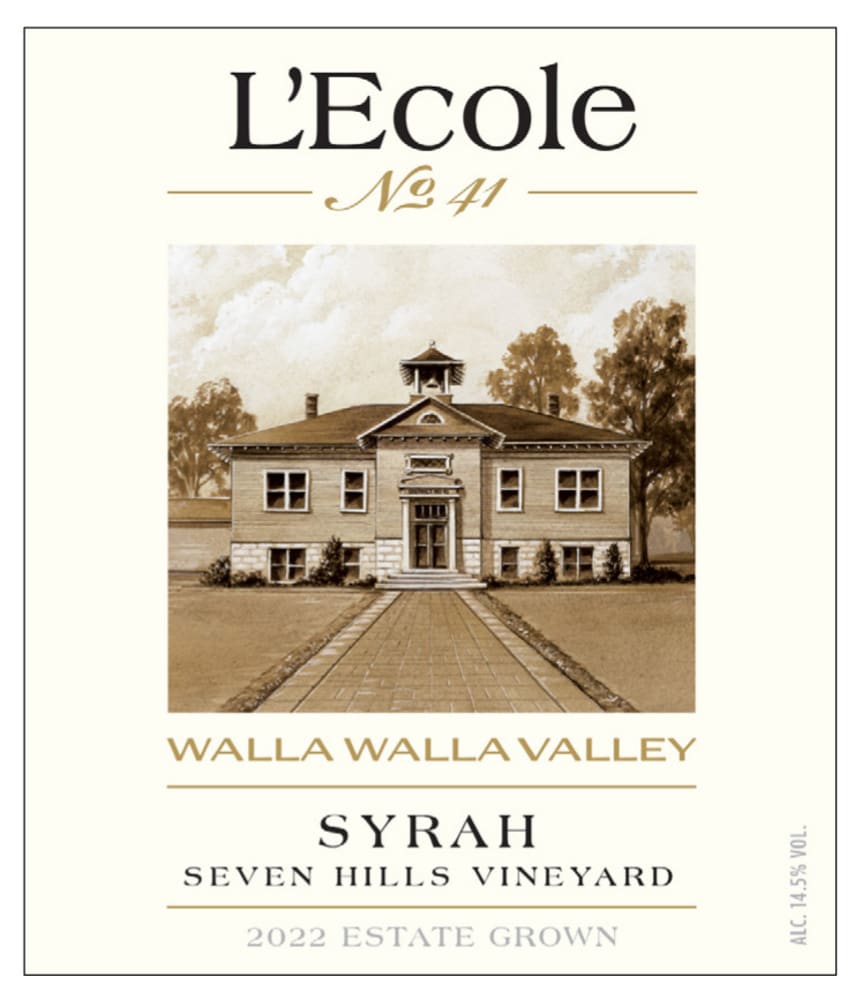
If you enjoy a slightly spicier note, you might appreciate Grenache. This varietal often presents with ripe cherry and herbal nuances, providing a rich yet soft mouthfeel. It’s versatile enough to pair well with various dishes, from grilled meats to hearty pasta.
For those interested in a unique twist, consider Frappato. This lesser-known grape from Sicily offers a fragrant and aromatic profile, with vibrant acidity and low tannins, making it ideal for warm weather enjoyment.
Lastly, Dolcetto is another option worth exploring. With its plum and blackberry flavors, it delivers a smooth and friendly palate, making it a favorite among those who shy away from high-tannin options.
Selection of Wines with Low or No Astringency
If you’re seeking options with minimal astringency, consider Beaujolais. This French varietal, primarily made from the Gamay grape, is known for its light body and fruity profile, making it an excellent choice for those who prefer a smoother experience.
Pinot Noir from cooler regions may also fit the criteria. While it can have some astringent qualities, many examples, especially those that are young, tend to be softer and less tannic. The focus is often on acidity and fruitiness rather than bitterness.
Another interesting option is Lambrusco. This slightly sparkling Italian variety is typically fruit-forward and low in astringency, which makes it refreshing and easy to drink.
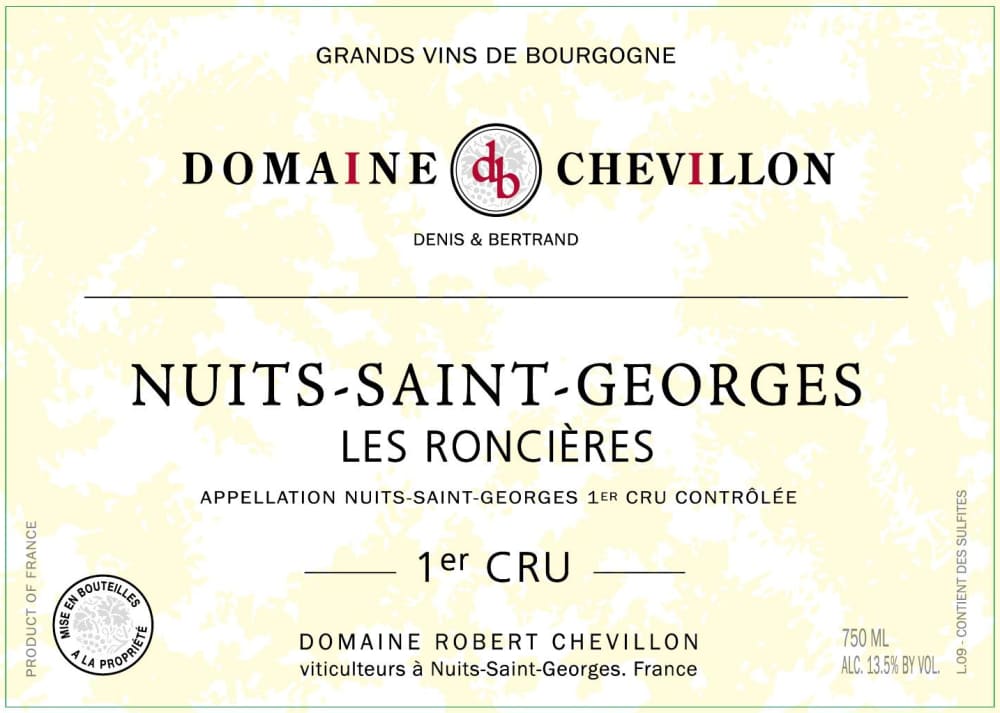
Lastly, Châteauneuf-du-Pape can sometimes offer blends that are low in harshness, particularly those with a higher percentage of Grenache. These wines often emphasize ripe fruit flavors and a smoother finish, making them approachable for those sensitive to astringency.
Identifying Low-Tannin Varieties
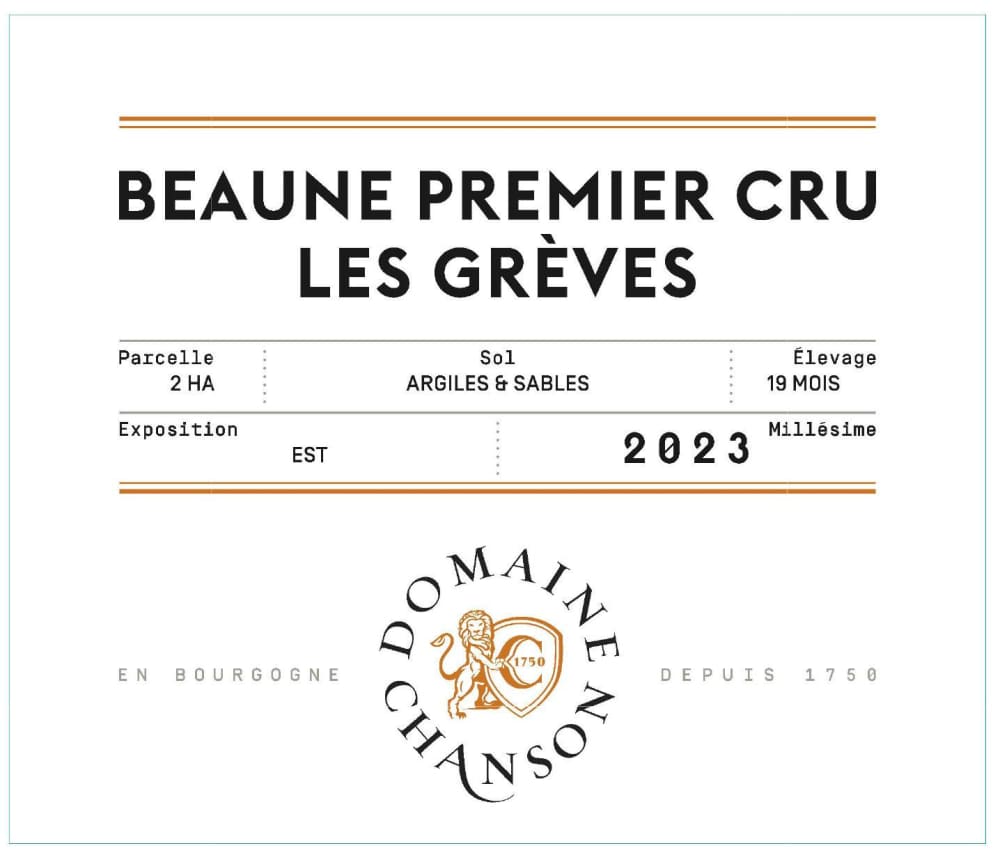
For those seeking options with minimal astringency, I recommend focusing on specific grape types. Look for Pinot Noir, known for its lighter body and fruit-forward profile. This variety typically presents soft textures, making it an excellent choice for a smooth experience.
Gamay is another fantastic selection. Primarily grown in the Beaujolais region of France, it offers fresh, juicy flavors with low astringent qualities, perfect for casual sipping.
Other Low-Astringent Options
Consider Grenache, which often showcases ripe berry notes and a soft mouthfeel. Its lower tannin levels contribute to a delightful drinking experience.
Dolcetto, originating from Italy, also fits this category. It tends to be fruity and less tannic, making it approachable for those sensitive to astringency.
Serving and Pairing Tips
When serving these selections, slightly chill them to enhance freshness. Pair with lighter dishes such as grilled chicken or salads to complement their flavors without overwhelming the palate.
By exploring these varieties, I have found enjoyable options that cater to preferences for minimal astringency without sacrificing taste.
FAQ:
What types of red wine are low in tannins?
Red wines that are generally considered low in tannins include Pinot Noir, Gamay, and some styles of Grenache. These varietals tend to have lighter body and fruit-forward characteristics, making them more approachable for those sensitive to tannins. Pinot Noir is particularly well-known for its smooth texture and bright acidity, which can balance its lower tannin levels. Gamay, used in Beaujolais wines, often showcases juicy fruit flavors with minimal tannin impact. Grenache can also be made in a softer style that emphasizes fruitiness over tannic structure.
How do tannins affect the taste of red wine?
Tannins are compounds found in grape skins, seeds, and stems, contributing to the wine’s astringency and mouthfeel. They can create a drying sensation in the mouth and add complexity to the wine’s profile. Wines high in tannins often require aging to soften these compounds, which can enhance the overall flavor. Conversely, wines low in tannins tend to be smoother and more approachable, showcasing fruit flavors without the drying sensation. This makes them appealing to many wine drinkers, especially those who prefer lighter styles.
Are there any red wines without tannins at all?
While most traditional red wines will contain some level of tannins due to the winemaking process, there are options for those seeking very low-tannin alternatives. Some winemakers produce “no tannin” wines using techniques such as carbonic maceration, which reduces tannin extraction from the grape skins. However, these wines might be hard to find and are not common in mainstream offerings. It’s important to check with specialty wine shops or producers who focus on low-intervention or unique winemaking methods.
What food pairs well with low-tannin red wines?
Low-tannin red wines pair well with a variety of foods, particularly those that are lighter and less fatty. Dishes like grilled chicken, roasted vegetables, or pasta with tomato-based sauces complement the fruitiness of these wines. Additionally, they can work nicely with charcuterie boards featuring mild cheeses and cured meats. The key is to match the wine’s lighter body with foods that won’t overwhelm its delicate flavors.
Can you recommend a low-tannin red wine for beginners?
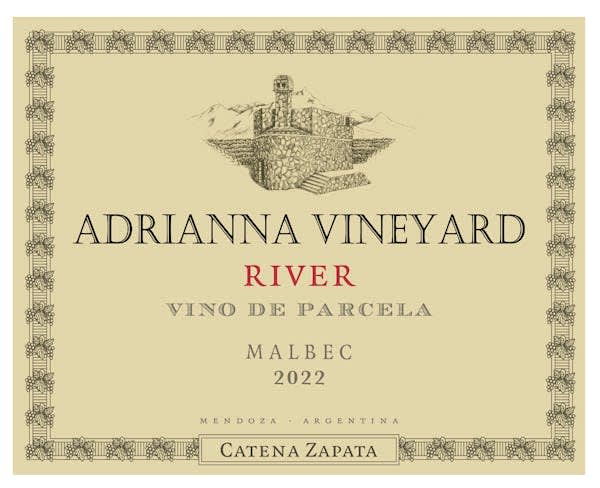
For beginners, a great choice would be a Pinot Noir from regions like Oregon or California. These wines are known for their fruit-forward profiles and lower tannin content, making them very approachable. Another excellent option is a Beaujolais Nouveau, which is light, fruity, and typically low in tannins. These wines are often enjoyed slightly chilled, making them versatile for various occasions. Starting with these selections can help new wine drinkers ease into the world of red wines without the challenge of high tannin levels.
What types of red wine are known for having low or no tannins?
Red wines that are low in tannins are often made from grape varieties that naturally have less tannic content. Some notable examples include Pinot Noir, Gamay, and some styles of Grenache. Pinot Noir, known for its lighter body and fruit-forward flavors, tends to have softer tannins compared to more robust varieties like Cabernet Sauvignon. Gamay, commonly associated with Beaujolais, is also low in tannins and offers bright fruit flavors. Additionally, certain winemaking techniques, such as carbonic maceration, can further reduce tannin extraction, making the resulting wines smoother and more approachable.