Chuck Furuya

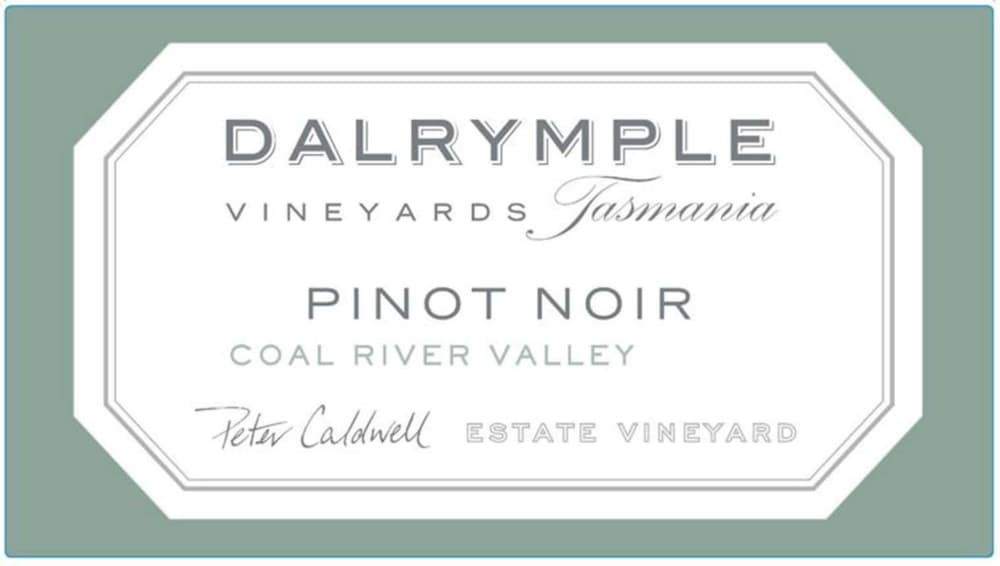

For a delightful experience, I recommend choosing a glass of Merlot or Zinfandel. These varieties showcase a captivating profile filled with ripe cherries, plums, and hints of strawberries that dance on the palate. The smooth texture enhances the enjoyment, making each sip a rich moment of indulgence.
The aroma is equally enchanting, with notes of vanilla and spice layering beneath the fruitiness. As I take a sip, the balance between acidity and sweetness becomes evident, creating a harmonious blend that invites me to savor each taste. A light chill can elevate the experience, bringing forth the refreshing qualities of the drink.
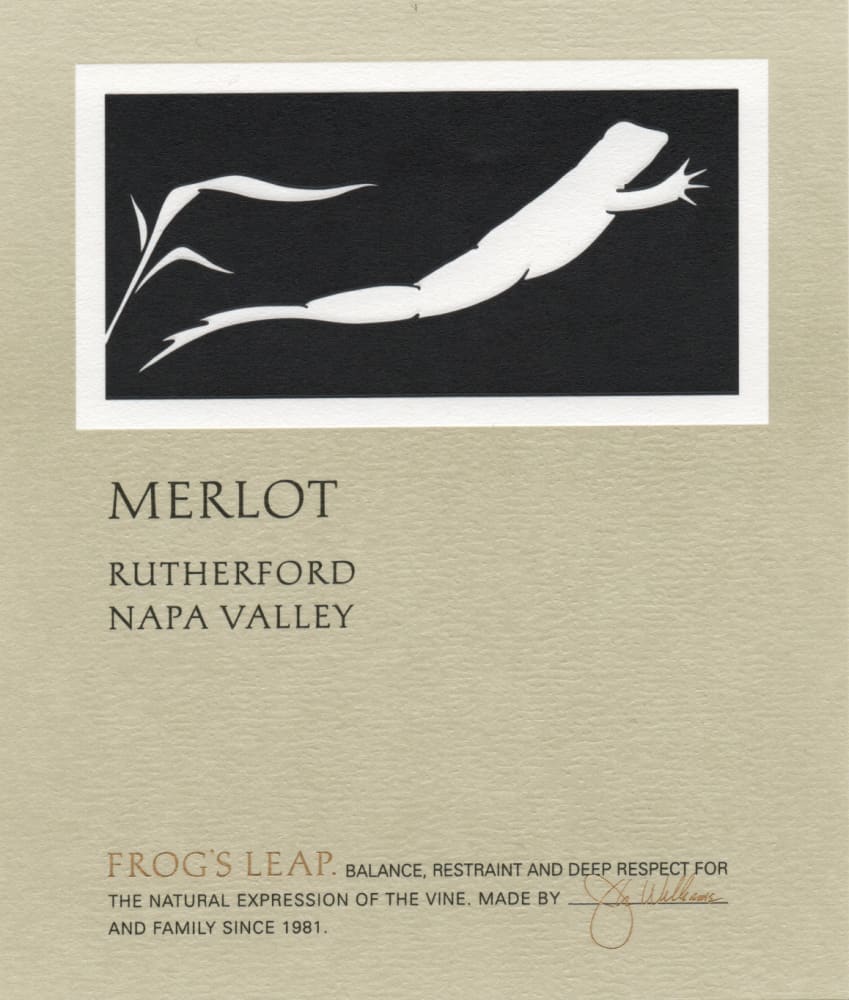
Pairing this delightful beverage with a charcuterie board featuring aged cheeses and cured meats amplifies the flavors, allowing the wine’s fruit-forward characteristics to harmonize with savory elements. This combination not only enhances the tasting experience but also showcases the versatility of this exquisite drink.
Characteristics of a Sweet Berry Beverage
The experience of sipping this type of beverage is often marked by an explosion of flavors that can range from ripe strawberries and cherries to hints of plum and raspberry. In my tastings, I frequently notice a delightful balance between sweetness and acidity, which enhances the overall enjoyment.
Flavor Profile
Common notes I encounter include:
- Juicy red fruits, providing a fresh and lively impression.
- Subtle hints of spice, adding depth and complexity.
- Occasional undertones of vanilla or chocolate, especially in aged varieties, which contribute to a layered experience.
Pairing Suggestions
To maximize the enjoyment of this delightful drink, consider pairing it with:
- Grilled meats, which complement the fruity notes and balance the acidity.
- Rich cheeses, like Brie or Camembert, that harmonize with the sweet characteristics.
- Desserts featuring berries or chocolate, creating a delightful contrast.
These combinations elevate the tasting experience, allowing the unique flavors to shine. Each sip can transport you to a sun-soaked vineyard, making it a perfect choice for various occasions.
Identifying Fruity Flavors in Wine
Focus on specific aromas and flavors when assessing characteristics. Look for notes like cherry, raspberry, blackberry, or plum, as these often present in various varietals. Swirling the glass enhances the release of volatile compounds, making it easier to identify unique scents.
Pay attention to the balance between sweetness and acidity; this interplay can highlight certain fruity qualities. A wine with a pronounced berry aroma may possess a rich sweetness, while a more tart profile can suggest notes of cranberry or pomegranate.
Consider the wine’s body; lighter options frequently exhibit bright red fruit notes, while fuller-bodied selections may offer deeper flavors like dark cherry or fig. Tasting in pairs can also help discern subtle differences; for example, comparing a Merlot with a Syrah showcases variations in fruit expression.
Lastly, take into account the aging process. Oak barrels can impart vanilla or spice notes, which may complement or overshadow the inherent fruitiness. Understanding how these factors interact allows for a more nuanced appreciation of the flavors present.
Common Fruit Aromas Found in Red Wines
I often encounter various fruit notes in different types of wines, each adding a unique character. For example, aromas of cherry are frequently found in lighter styles, imparting a fresh and juicy quality. In contrast, deeper varieties may present blackberry or plum, offering a richer, more intense profile.
Berry Notes
Raspberry is another common scent, often lending a tartness that balances sweetness. Strawberry can also make an appearance, especially in wines with a lighter body, creating an inviting experience. Occasionally, I notice hints of cranberry, which can introduce a refreshing acidity.
Stone Fruits and Others
Peach and apricot are less common but can emerge in some blends, providing a floral and fruity touch. Additionally, I sometimes detect subtle hints of fig or prune, especially in aged varieties, contributing to a complex flavor layer. Understanding these aromas can enhance the enjoyment of each sip.
Temperature’s Impact on Flavor Perception
Serving temperature significantly influences the perception of characteristics in a glass of vibrant red beverage. For optimal enjoyment, I recommend serving these wines slightly chilled, typically around 55-60°F (13-16°C). This range enhances fruit notes while softening tannins, creating a more balanced experience.
Effects of Cold Temperatures
When served too cold, the taste profile may become muted, causing fruit flavors to retreat and making acidity more pronounced. A cooler serving temperature can also mask the wine’s complexity, resulting in a less engaging sip. If I notice the beverage feels overly chilled, I allow it to warm slightly in the glass to unlock hidden layers of flavor.
Warm Temperatures and Flavor Development
Conversely, wines that are too warm can present an overwhelming sensation of alcohol, overshadowing the delicate fruit aromas. Serving above 65°F (18°C) can lead to a heavier mouthfeel and diminish the refreshing qualities. Finding the sweet spot in temperature enhances the overall tasting experience, allowing the luscious notes to shine while maintaining a pleasant balance.