
 Chuck Furuya
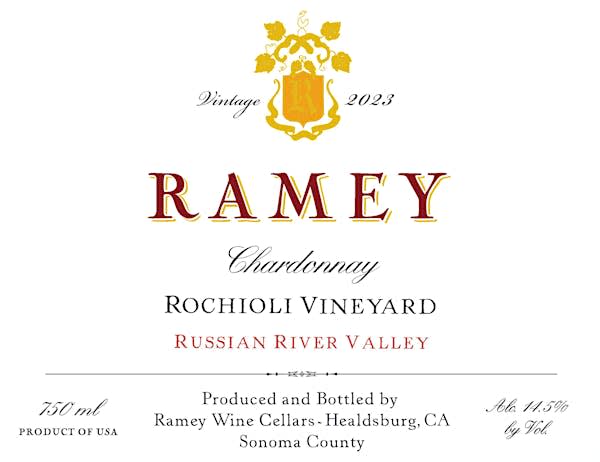


For those colder months, I find that a robust, full-bodied red often brings warmth and comfort. Varietals such as Cabernet Sauvignon and Syrah, with their rich tannins and deep flavors, create a cozy experience perfect for evenings by the fire. Their complexity pairs beautifully with hearty dishes and savory meats, enhancing the overall dining experience.
However, I also appreciate a crisp, aromatic white during this season, particularly if it’s spiced or oaked. A creamy Chardonnay or a Gewürztraminer can provide a delightful contrast, especially when enjoyed alongside roasted vegetables or festive seafood dishes. The vibrant acidity in these selections can refresh the palate while still delivering a sense of indulgence.

Ultimately, the choice depends on personal preference and the meal at hand. Whether I opt for a glass of velvety red or a zesty white, both options offer unique pleasures that elevate the chilly atmosphere. Embrace the season with your favorite pour, and enjoy the cozy moments it brings.
Choosing the Right Beverage for Cold Months
I recommend opting for a robust selection with deep flavors during the colder months. Varieties such as Cabernet Sauvignon, Syrah, or Malbec offer rich profiles that complement hearty meals and cozy gatherings. Their tannins provide a warming sensation, making them ideal companions for chilly evenings.
On the other hand, a crisp option like a full-bodied Chardonnay can also shine in this season. Look for those that have undergone malolactic fermentation or have aged in oak barrels, as they present a creamy texture and notes of butter and vanilla that can be quite comforting.
For those who enjoy something a bit different, consider a spicy Gewürztraminer or a Viognier. These selections can bring warmth and excitement to your palate with their aromatic intensity and lush fruit characteristics, offering a refreshing alternative to traditional choices.
Pairing either option with seasonal dishes like roasted meats, rich stews, or creamy soups can enhance the experience. Experimenting with different combinations can lead to delightful discoveries, allowing you to find the perfect match for your taste during the colder season.
Understanding the Flavor Profiles of Winter Wines
For chilly evenings, I often reach for varietals that offer warmth and depth. Full-bodied choices like Cabernet Sauvignon and Syrah deliver robust flavors, often accompanied by notes of dark fruits, spices, and sometimes even hints of chocolate or tobacco. These characteristics create a comforting experience that pairs beautifully with hearty meals.
On the other hand, I find that richer whites, such as Chardonnay or Viognier, can also provide a delightful contrast. These selections frequently exhibit creamy textures and flavors of stone fruits, vanilla, or even nutty undertones, making them excellent companions for creamy soups or roasted poultry.
When selecting between these options, I consider the food pairings. A dense, fruity blend complements rich stews and grilled meats perfectly, while a complex white can enhance the flavors of seafood or roasted vegetables. The right choice elevates the dining experience, providing a harmonious balance on the palate.
Additionally, I pay attention to the climate. If the evening is particularly frigid, a warming red might be more appealing, while milder nights could allow for a chilled white that still offers depth and character. Exploring these profiles not only enhances my enjoyment but also broadens my appreciation for the variety available during these cozy months.
Temperature Pairing: Serving Red and White Wines
For optimal enjoyment, serve robust varieties at temperatures between 60-65°F (15-18°C) while lighter selections shine at 45-55°F (7-13°C).
Temperature Guidelines
- Full-bodied reds, such as Cabernet Sauvignon and Syrah, benefit from a warmer serving temperature, enhancing their rich flavors and aromas.
- Medium-bodied options like Merlot should be slightly cooler, around 58°F (14°C), to balance their structure and fruitiness.
- Light-bodied choices, such as Pinot Noir, can be served at around 55°F (13°C) to accentuate their delicate profiles.
- Chardonnays and Sauvignon Blancs are best enjoyed chilled, ideally between 45-50°F (7-10°C) to highlight their crispness and acidity.
Practical Tips for Serving
- Use a thermometer to check temperatures before serving.
- Chill bottles in an ice bucket with a mix of ice and water for about 20 minutes.
- Let robust varieties breathe by decanting them for 30-60 minutes before serving.
- Experiment with temperature to discover personal preferences, noting how flavors evolve as they warm or chill.
Adjusting serving temperatures can greatly enhance the tasting experience, making each sip a delightful exploration of flavors.
Food Pairings: What to Eat with Winter Wines
For a delightful dining experience, I recommend pairing hearty dishes with robust varieties and lighter fare with crisp selections. Comfort foods enhance the enjoyment of both styles, creating a harmonious balance on the palate.
Recommended Pairings
| Type | Food Pairing |
|---|---|
| Full-bodied reds | Slow-braised beef, lamb shanks, or rich stews |
| Medium-bodied reds | Roasted chicken, mushroom risotto, or grilled sausages |
| Crisp whites | Seafood chowder, roasted vegetables, or creamy pasta |
| Fruity whites | Salads with citrus dressing, light cheeses, or shrimp tacos |
Cheese and Charcuterie
For cheese boards, I suggest pairing aged cheddar and blue cheese with fuller-bodied selections, while goat cheese and brie complement the lighter options beautifully. Charcuterie, such as prosciutto or salami, works wonderfully with both varieties, enhancing richness and flavor complexity.
Seasonal ingredients like root vegetables and winter greens also pair nicely, offering earthy notes that align perfectly with the chosen beverage. The key is to balance flavors, enhancing the overall dining experience.



