Chuck Furuya
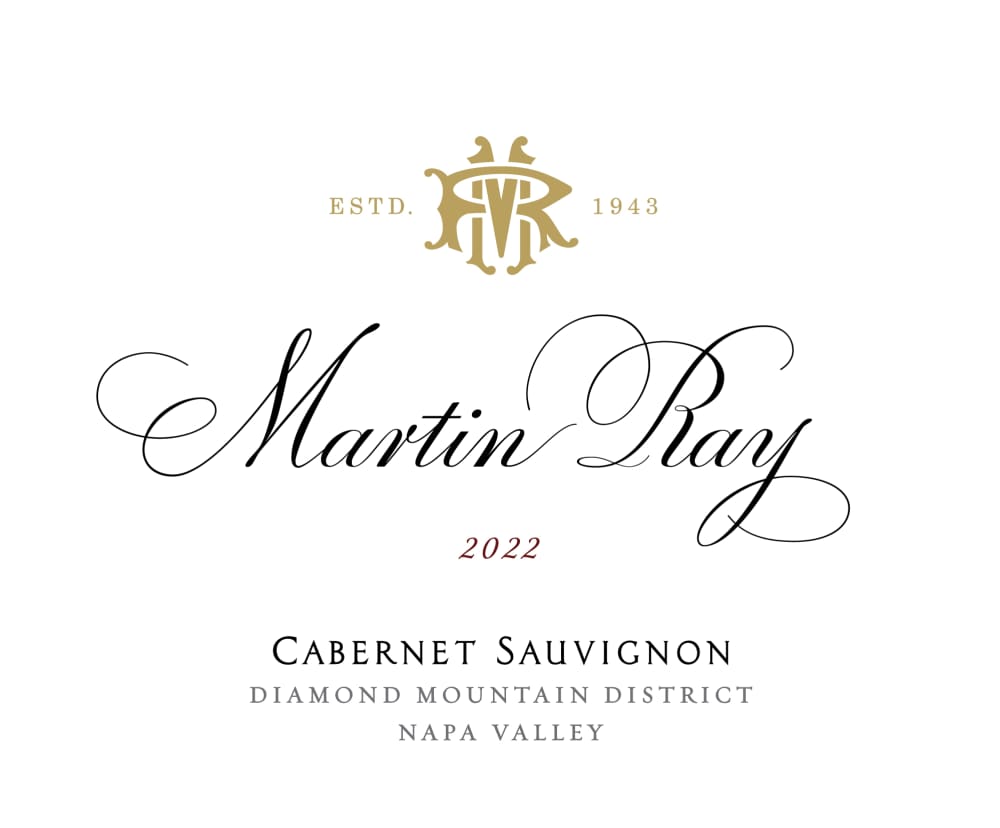
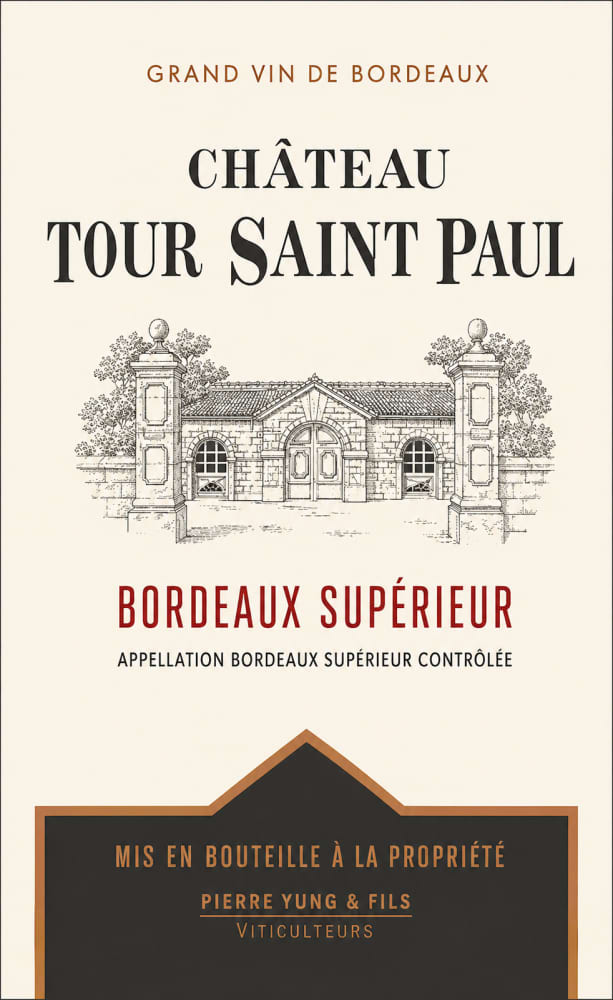
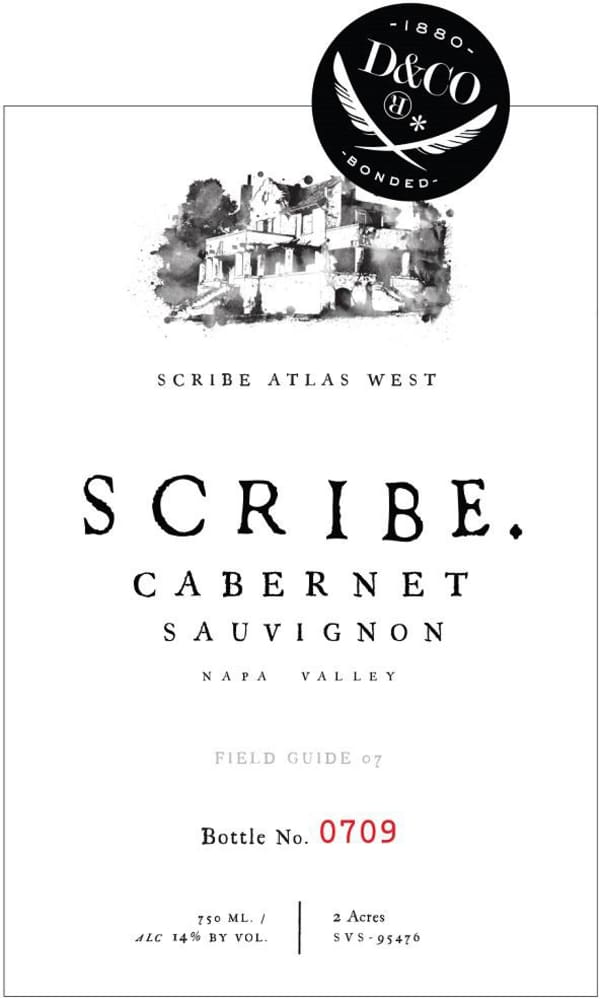
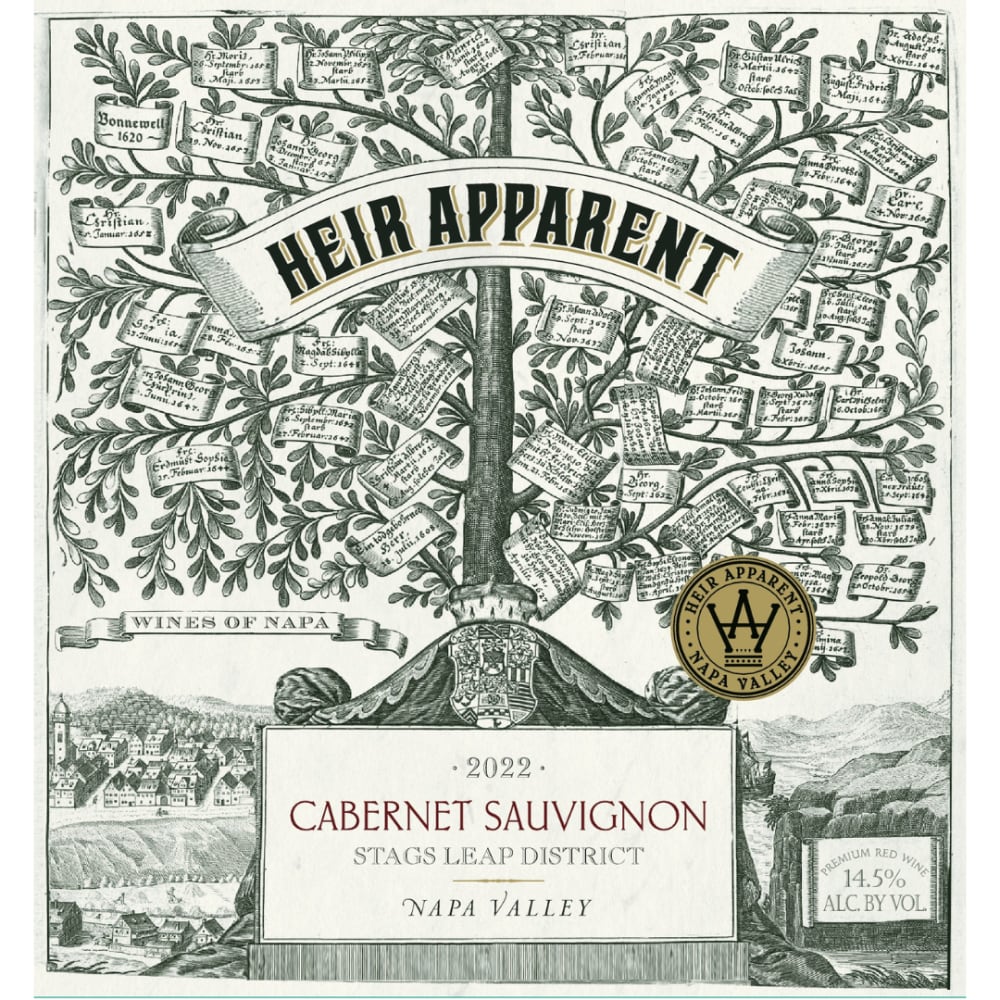
I recommend considering Cabernet Sauvignon, a robust selection known for its full-bodied profile and minimal residual sugar. This varietal often showcases rich flavors of blackcurrant, cedar, and spices, making it an ideal choice for those seeking a less sweet experience.
Another excellent option is Merlot, which, while typically softer than Cabernet, can also be vinified into a non-sweet version. Look for bottles labeled as “dry” to enjoy its plum and chocolate notes without the sugary aftertaste.
Pinot Noir deserves attention as well, providing a lighter body with earthy undertones and a vibrant acidity. This grape thrives in cooler climates, resulting in wines that are refined and complex, perfect for pairing with a variety of dishes.

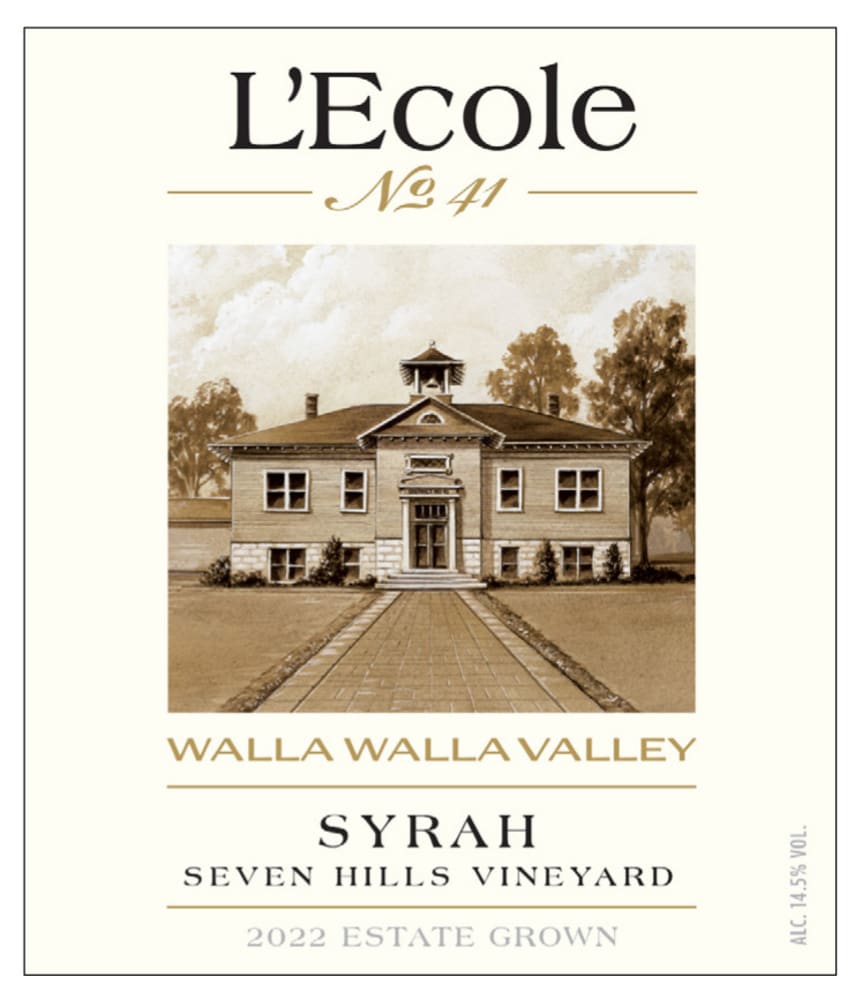
Syrah, often bold and spicy, stands out with its dark fruit flavors and peppery finish. Opting for a dry Syrah ensures a rich tasting experience without excessive sweetness.
Lastly, consider Malbec, celebrated for its dark fruit and velvety texture. A dry Malbec can deliver a satisfying depth, making it a popular choice for meat pairings and hearty meals.
Types of Dry Red Varietals
For those seeking a crisp experience without sweetness, I recommend focusing on varietals such as Cabernet Sauvignon, Merlot, and Syrah. These options are known for their pronounced tannins and rich fruit profiles, offering a balanced palate.
Cabernet Sauvignon
This grape thrives in regions like Napa Valley and Bordeaux, producing full-bodied selections. The flavor notes often include blackcurrant, cedar, and spice, making it an excellent match for grilled meats and hearty dishes.
Pinot Noir
Known for its elegance, this variety displays red fruit flavors like cherry and raspberry, complemented by earthy undertones. Burgundy and Oregon are notable regions for high-quality selections. It pairs beautifully with poultry and mushroom-based meals.
Identifying Dry Red Wines by Grape Varieties
For enthusiasts seeking to select less sweet options, focusing on specific grape types is key. Varietals such as Cabernet Sauvignon and Merlot typically exhibit minimal residual sugar, resulting in a more pronounced tannic structure and complex flavor profile. These grapes thrive in various regions, contributing to their popularity.
Syrah and its variant, Shiraz, are also noteworthy. These grapes produce bold, full-bodied options with rich dark fruit notes and spice, often delivering a satisfying dry experience. Their ability to reflect terroir adds depth to each bottle.
Another excellent choice is Pinot Noir, renowned for its elegance and versatility. With lower tannins and bright acidity, this varietal often showcases red berry flavors, making it a delightful dry selection suitable for various palates.
Exploring Zinfandel can be rewarding as well. While some styles may lean towards sweetness, many iterations offer a drier finish, particularly those from California that focus on concentrated fruit flavors and balanced acidity.
Sangiovese, the backbone of Chianti, is another fantastic option. This grape typically presents vibrant acidity and earthy notes, contributing to a dry and food-friendly wine experience.
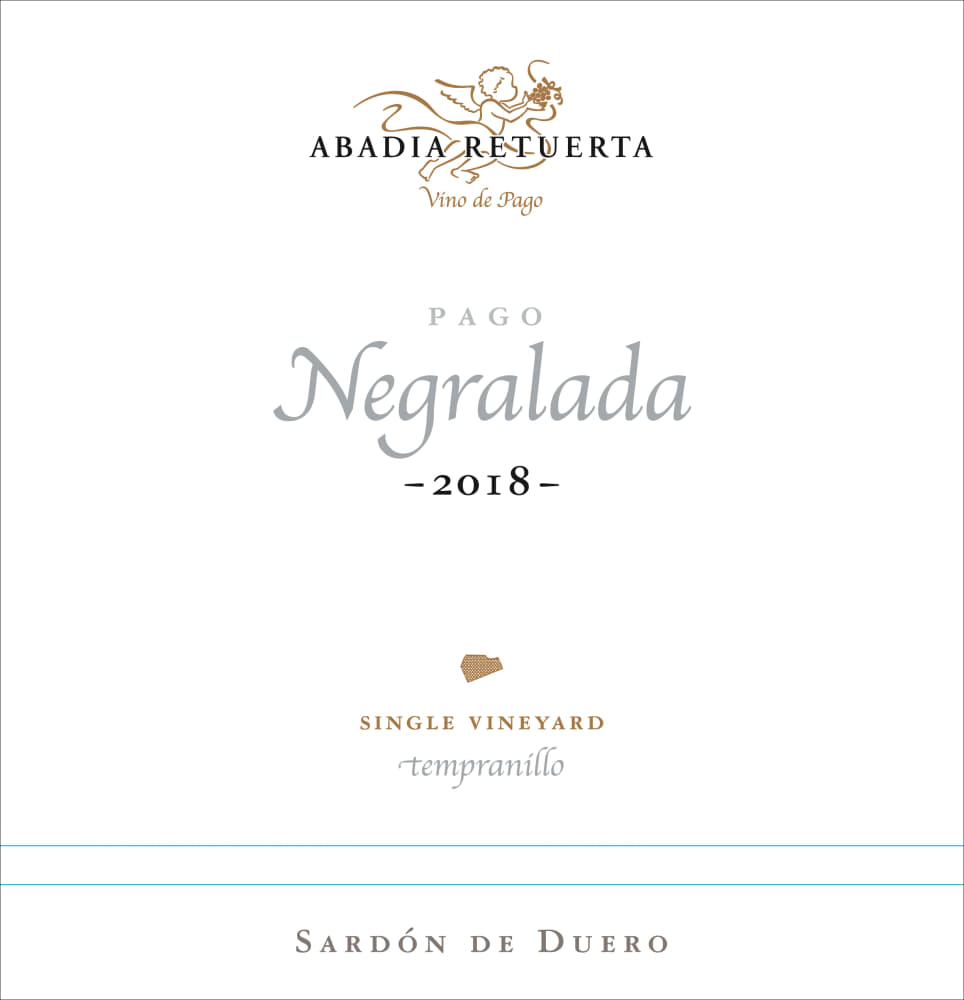
Lastly, Tempranillo deserves attention for its ability to produce structured, dry reds with rich fruit and subtle oak characteristics. Aged versions often reveal complex layers that enhance the tasting journey.
By focusing on these specific grape varieties, one can confidently explore a diverse selection of less sweet options, ensuring a satisfying experience with each pour.
Understanding the Role of Terroir in Dryness
Terroir significantly influences the perception of sweetness and dryness in various varietals. Key factors include soil composition, climate, and vineyard practices. Each element contributes to the final product’s characteristics.
Soil Composition
Different soil types can impact nutrient availability and drainage, which in turn affects grape ripening. For example:
- Clay soils tend to retain moisture, leading to richer flavors, while promoting a higher sugar accumulation.
- Sandier soils offer excellent drainage, resulting in lower yields but concentrated flavors, often yielding less sweet profiles.
Climate Influences
Climate plays a pivotal role in grape development. Regions with cooler climates often produce grapes with higher acidity and lower sugar levels, enhancing dryness. Conversely, warmer climates can lead to higher sugar content:
- Regions like Burgundy exhibit cooler temperatures, fostering grapes that naturally yield drier profiles.
- In contrast, areas like California may produce fruit-forward varietals with a tendency towards sweetness.
Vineyard practices also contribute significantly. Techniques such as canopy management and harvest timing allow for control over sugar levels, ultimately impacting dryness. Selecting the right terroir and understanding its implications can lead to a more precise crafting of less sweet, more structured options.
Exploring the Influence of Winemaking Techniques
Employing specific techniques in the cellar significantly impacts the final product’s characteristics. To achieve a less sweet outcome, winemakers often opt for certain fermentation methods, such as using indigenous yeast. This practice allows for a more natural process, enhancing the complexity and depth of flavor while promoting dryness.
Temperature control during fermentation also plays a vital role. Cooler temperatures can help preserve acidity and prevent excessive sugar conversion, resulting in a more balanced and less sugary wine. Additionally, the use of oak aging can contribute to the perception of dryness through the incorporation of tannins and flavor compounds that enhance structure.
Malolactic Fermentation: A Key Process
Malolactic fermentation, a process where sharp malic acid converts to softer lactic acid, is common in the production of certain varietals. This technique not only smooths the acidity but also adds layers of flavor, making the finished product feel drier on the palate. This is particularly evident in varieties like Cabernet Sauvignon and Syrah.
Skin Contact and Extraction
Extended skin contact during maceration is another strategy that influences the perception of dryness. By leaving the skins in contact with the juice for a longer period, winemakers can extract more tannins and phenolic compounds, contributing to a richer mouthfeel and a dryer finish. This technique is often employed with bold varietals, enhancing their structure and aging potential.
Recognizing Popular Dry Red Varietals from Different Regions
To appreciate the spectrum of dry red varietals, I recommend exploring selections from notable wine-producing areas. Each region imparts unique characteristics to its offerings based on climate, soil, and vinification methods.
Bordeaux, France
Merlot and Cabernet Sauvignon dominate this region, providing full-bodied options with rich flavors of dark fruits and subtle tannins. A classic Bordeaux blend often results in a well-structured profile, ideal for aging and food pairing.
California, USA
Cabernet Sauvignon from Napa Valley is renowned for its powerful intensity and bold flavors. Look for Zinfandel as well, which can showcase a range of fruitiness while maintaining a dry finish, often with spicy undertones.
In Tuscany, Italy, Chianti Classico, primarily crafted from Sangiovese grapes, offers a bright acidity and earthy notes, making it a fantastic choice for Italian cuisine. The dry nature of these wines enhances their food compatibility.
Spain presents Tempranillo, particularly from the Rioja region, which brings notes of cherry and leather, complemented by a hint of oak influence. These wines are structured and elegant, perfect for pairing with grilled meats or stews.
In Australia, Shiraz provides a robust and fruit-forward experience with peppery nuances. Its dry nature allows for an impressive array of flavor combinations, making it a versatile choice for various dishes.
Exploring these regions and varietals will deepen your understanding of dry offerings, enhancing both your palate and wine selection skills.
How to Read Wine Labels for Dryness Indicators
To accurately assess the dryness level of a bottle, start by examining the label. Key terms can provide immediate insights into the sweetness profile of the liquid inside.
Look for Specific Terminology
- Dry: This term is a direct indicator of a low sugar content, typically below 1 gram per liter.
- Medium-Dry: A slight sweetness may be present, but it remains balanced with acidity.
- Off-Dry: Often implies a hint of sweetness but is not excessively sweet.
- Reserve: This may indicate a higher quality or selection process; however, sweetness levels can vary.
Check the Alcohol Content
Higher alcohol percentages usually correlate with lower residual sugar. For instance, a wine with an alcohol content of 13.5% or higher is likely to be drier due to the fermentation process consuming most sugars.
Examine the Region and Producer
- Appellation Names: Some regions are known for producing less sweet options. For example, Bordeaux is famous for its low-sugar styles.
- Winemaker Practices: Researching the producer can reveal their approach to sweetness. Some may prioritize drier expressions, while others may embrace a sweeter style.
Understanding these indicators will enhance your ability to select bottles that meet your dryness preference. Always consult the label for essential information before making a selection.
Pairing Dry Red Varietals with Food: Best Practices
Match fuller-bodied selections with rich meats. For instance, a Cabernet Sauvignon complements beef dishes, while Syrah enhances lamb preparations. Lighter options, such as Pinot Noir, pair well with poultry and salmon.
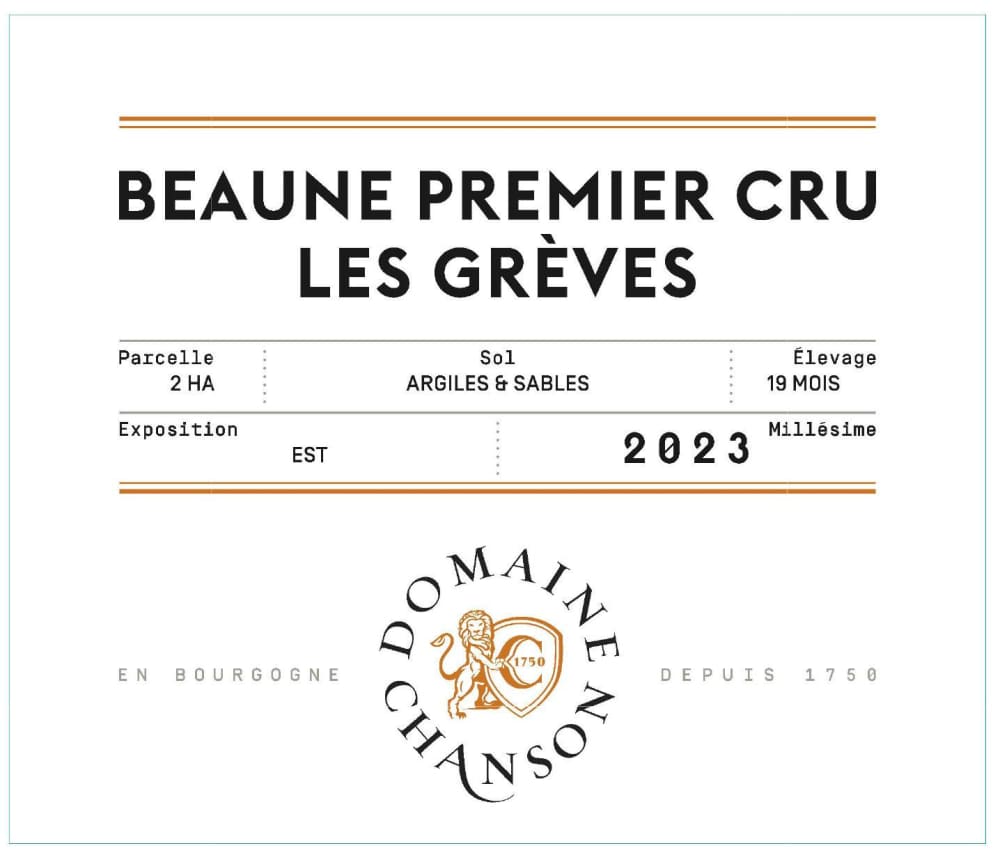
Consider the sauce. Tomato-based sauces work harmoniously with Chianti, while creamy sauces are best enjoyed with Merlot. A wine’s tannin structure can balance fatty or rich foods, so opt for tannic varieties alongside marbled meats.
Vegetable dishes require attention to flavor intensity. Earthy selections like Nebbiolo pair nicely with mushrooms, while fruity options, such as Grenache, complement roasted vegetables. Spicy cuisines, including Indian or Mexican, find a perfect match in Zinfandel, which stands up to bold flavors.
Cheese boards can be a delightful match. Pair aged cheeses with robust selections like Malbec, while fresh cheeses go well with lighter varietals such as Gamay. Experiment with different combinations to discover personal preferences.
| Dish | Recommended Wine |
|---|---|
| Grilled Steak | Cabernet Sauvignon |
| Lamb Chops | Syrah |
| Roast Chicken | Pinot Noir |
| Pasta with Tomato Sauce | Chianti |
| Creamy Risotto | Merlot |
| Mushroom Risotto | Nebbiolo |
| Spicy Tacos | Zinfandel |
| Aged Cheddar | Malbec |
| Fresh Goat Cheese | Gamay |
Temperature matters–serve these selections at slightly cooler temperatures than room temperature to enhance flavors. Finally, trust your palate; personal preference often leads to the best pairings.