Chuck Furuya

I recommend using a blend of fruity and earthy notes in the liquid to enhance the natural richness of the meat. For this process, choose a bottle that complements the dish; a full-bodied variety works exceptionally well. Aim for about one cup of this liquid for every pound of meat.
Prior to combining your ingredients, ensure the protein is at room temperature. This allows for more even absorption of flavors. In a mixing bowl, combine the chosen liquid with minced garlic, fresh herbs like rosemary or thyme, and a hint of olive oil. The acidity of the liquid will tenderize the meat while the herbs add aromatic depth.
Once your mixture is ready, place the cut in a resealable bag or a shallow dish, pouring the blend over it. Seal tightly, removing as much air as possible, and refrigerate for a minimum of two hours, though an overnight soak yields even better results. After marinating, rinse off excess liquid, pat dry, and season with salt and pepper before cooking to achieve a perfectly charred exterior.
Marinating Techniques for Steak Using Wine
For an enriched flavor profile, I recommend combining a few key ingredients. Start with a full-bodied varietal, such as Cabernet Sauvignon or Merlot. Aim for 1 cup of wine as a base.
Ingredients to Enhance the Marinade
- 1/4 cup olive oil
- 2 cloves minced garlic
- 1 tablespoon fresh rosemary, chopped
- 1 tablespoon fresh thyme, chopped
- 1 tablespoon Dijon mustard
- Salt and freshly ground black pepper to taste
In a bowl, whisk together the wine, olive oil, garlic, rosemary, thyme, mustard, salt, and pepper. This combination not only tenderizes but also infuses the meat with aromatic herbs.
Application Process
Place the cut of meat in a resealable plastic bag or a glass dish. Pour the marinade over the meat, ensuring it’s well-coated. Seal the bag or cover the dish and refrigerate for a minimum of 4 hours, ideally overnight for maximum flavor integration.
Before cooking, remove the meat from the marinade and let it rest at room temperature for about 30 minutes. This step promotes even cooking.
After marinating, discard any leftover marinade to prevent contamination. For added depth, consider searing the meat in a hot pan to create a caramelized crust before finishing it in the oven.
Selecting the Right Cut of Beef for Marination
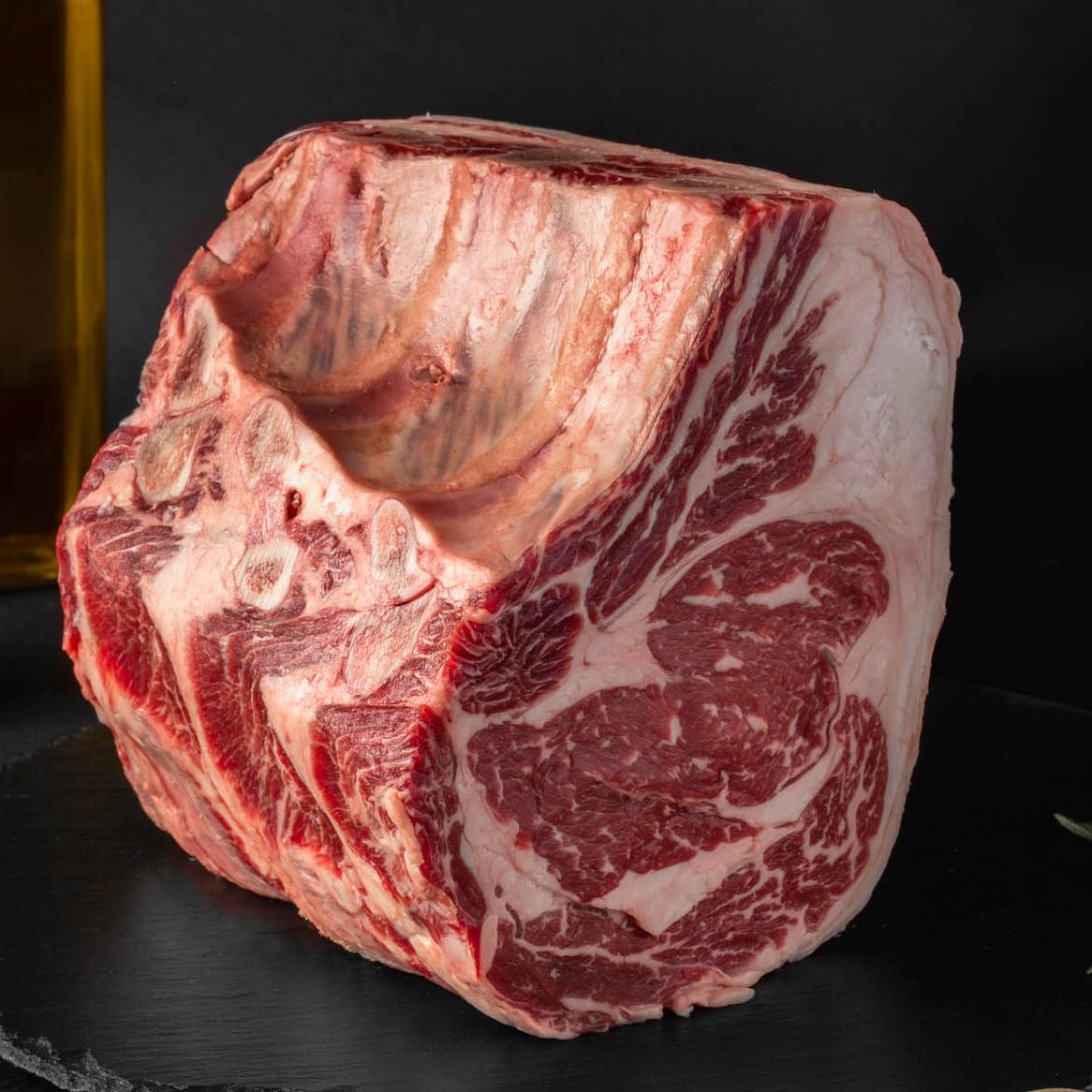
For optimal flavor absorption, I prefer cuts that have sufficient marbling and tenderness. Ribeye is a top choice due to its rich fat content, enhancing the overall taste post-cooking. Sirloin offers a balance of flavor and affordability, making it accessible for various occasions.
Preferred Cuts
Another excellent option is flank steak, which, while leaner, absorbs marinades effectively thanks to its grain structure. Skirt steak is also a favorite of mine; its robust flavor profile pairs well with various seasonings. Each of these options brings distinct textures and tastes, allowing for versatility in preparation.
Less Suitable Cuts
Avoid cuts like tenderloin when seeking to infuse robust flavors, as their low-fat content limits absorption. Similarly, brisket, although flavorful when cooked low and slow, may not yield the desired results when subjected to quick marinades.
Choosing the right cut is crucial for achieving a flavorful outcome. By selecting well-marbled options, I ensure that the flavors penetrate effectively, resulting in a delicious culinary experience.
Choosing the Best Red Wine for Your Marinade
The ideal choice of a deep-hued grape beverage can significantly enhance the flavor profile of your dish. Look for options that boast a robust character and rich tannins. Here are some excellent varieties to consider:
- Cabernet Sauvignon: Known for its full body and complex flavor, it adds depth and richness.
- Merlot: Offers a softer profile with fruit-forward notes, making it versatile for different palates.
- Syrah/Shiraz: Brings spicy and smoky undertones, perfect for a bold flavor boost.
- Zinfandel: Its jammy character and peppery finish can introduce an intriguing twist.
Considerations for Selection
When selecting the right bottle, keep these points in mind:
- Quality over Price: Aim for a mid-range option; it doesn’t have to be expensive, but should reflect good quality.
- Flavor Profile: Choose a variety that complements the seasoning and desired taste of the dish.
- Alcohol Content: Higher alcohol levels can intensify flavors, but balance is key.
- Age: Aged wines often provide more complexity, enhancing the overall experience.
By carefully selecting the right grape beverage, you can elevate your dish and ensure a memorable dining experience.
Essential Ingredients to Combine with Red Wine
For a rich and flavorful combination, I recommend including the following ingredients alongside your choice of dark fermented grape beverage:
Herbs and Spices
- Rosemary: Its earthy aroma complements the deep flavors beautifully.
- Thyme: Adds a subtle, aromatic touch.
- Garlic: Fresh or roasted, it infuses a robust character.
- Pepper: Black peppercorns or crushed red pepper for a hint of heat.
Acidic Components
- Balsamic Vinegar: Enhances sweetness and balances acidity.
- Lemon Juice: Brightens the overall flavor profile.
- Worcestershire Sauce: Adds umami depth and complexity.
Incorporating these elements will elevate the taste, creating a harmonious blend that enhances the overall dish. Adjust quantities based on personal preference, ensuring a balanced flavor profile that complements the fermented grape beverage base.
Preparing the Marinade: Step-by-Step Process
Begin by gathering all necessary components. For a flavorful infusion, I typically use a combination of a full-bodied beverage, aromatic herbs, and spices.
Ingredients List
| Ingredient | Quantity |
|---|---|
| Full-bodied beverage | 1 cup |
| Olive oil | ¼ cup |
| Garlic cloves (minced) | 3 |
| Fresh rosemary (chopped) | 2 tablespoons |
| Black pepper (ground) | 1 teaspoon |
| Salt | 1 teaspoon |
| Optional: Worcestershire sauce | 2 tablespoons |
Next, in a mixing bowl, combine the beverage and olive oil. Whisk until well blended. Following that, add minced garlic, chopped rosemary, ground pepper, and salt. If desired, introduce Worcestershire sauce for an additional umami kick.
Once all ingredients are unified, taste the mixture. Adjust seasonings as necessary; more herbs can elevate the aroma, while additional salt enhances the overall flavor profile.
Transfer the marinade to a resealable plastic bag or a shallow dish. Place the protein inside, ensuring it is fully submerged. Seal the bag or cover the dish tightly. Refrigerate for at least 4 hours, allowing the flavors to meld.
After the resting period, remove the protein from the marinade. Pat dry with paper towels to achieve a perfect sear on the grill or in a skillet. Discard any leftover marinade to prevent contamination.
FAQ:
What ingredients do I need to marinate beef steak with red wine?
To marinate beef steak with red wine, you will need a few key ingredients. Start with red wine, preferably a full-bodied variety like Cabernet Sauvignon or Merlot. You’ll also need olive oil, minced garlic, fresh herbs like rosemary or thyme, salt, and black pepper. Optional ingredients include soy sauce for an umami flavor, brown sugar for sweetness, or Dijon mustard for a bit of tang. These components will enhance the flavor and tenderness of the steak.
How long should I marinate the beef steak in red wine?
The ideal marinating time for beef steak in red wine is typically between 2 to 24 hours. For a more intense flavor and tenderness, marinating for 12 to 24 hours is recommended. However, if you’re short on time, even a 2-hour marinade can add a nice hint of flavor. Just be cautious not to marinate for too long, as the acidity in the wine can start to break down the meat’s fibers, resulting in a mushy texture.
Can I use any type of red wine for marinating beef steak?
While you can technically use any type of red wine to marinate beef steak, the choice of wine can greatly impact the taste. Full-bodied wines like Cabernet Sauvignon or Syrah are often preferred because they hold up well against the rich flavors of beef. Avoid using sweet wines, as they may alter the desired savory profile of the steak. A good rule of thumb is to use a wine that you would enjoy drinking, as its flavors will concentrate during the marinating process.
What is the process for marinating beef steak with red wine?
To marinate beef steak with red wine, begin by mixing your marinade ingredients in a bowl or a resealable plastic bag. Combine the red wine, olive oil, minced garlic, herbs, salt, and pepper, along with any optional ingredients you choose. Place the steak in the marinade, ensuring it is well-coated. Seal the bag or cover the bowl and refrigerate. For best results, turn the steak occasionally to ensure even marination. After the desired marinating time, remove the steak, discard the marinade, and pat the meat dry before cooking.
What are the benefits of marinating beef steak with red wine?
Marinating beef steak with red wine offers several benefits. Firstly, the acidity in the wine helps to tenderize the meat by breaking down tough fibers, resulting in a juicier steak. Secondly, the flavors from the wine and added ingredients infuse the meat, enhancing its taste. Additionally, marinating can help to create a beautiful crust when searing the steak, adding texture and flavor. Overall, this method can elevate your steak dish, making it more enjoyable and flavorful.
What ingredients do I need to marinate beef steak with red wine?
To marinate beef steak with red wine, you’ll need a few key ingredients. First, choose a good-quality red wine, such as Cabernet Sauvignon or Merlot. You’ll also need olive oil, minced garlic, fresh herbs like rosemary or thyme, salt, and pepper. Depending on your taste, you might want to add a bit of soy sauce or balsamic vinegar for extra flavor. Mix these ingredients to create your marinade.
How long should I marinate the steak for the best flavor?
The ideal marinating time for beef steak in red wine is between 2 to 24 hours. If you’re short on time, even a 30-minute soak can enhance the flavor. However, for deeper penetration of the marinade and more tenderness, aim for a longer period, such as 12 to 24 hours. Just make sure to keep it in the refrigerator during this time to avoid any spoilage.
Can I use any type of red wine for marinating beef steak?
While you can technically use any red wine, it’s best to choose one that you enjoy drinking. Varieties like Cabernet Sauvignon, Merlot, or Shiraz work well due to their rich flavors. Avoid using low-quality wines or cooking wines, as they can introduce undesirable flavors to the marinade. The quality of the wine can significantly impact the overall taste of the steak.
What is the process for marinating the steak?
To marinate the steak, start by mixing your marinade ingredients in a bowl or a resealable plastic bag. Place the beef steak in the marinade, ensuring it’s fully covered. Seal the bag or cover the bowl, and refrigerate. Occasionally, you can turn the steak or shake the bag to distribute the marinade evenly. After marinating, remove the steak from the marinade and pat it dry before cooking, which helps achieve a good sear.
Are there any tips to enhance the marinade for beef steak?
Yes, there are several tips to enhance your marinade. Consider adding a splash of citrus juice, like lemon or orange, for acidity, which can tenderize the meat further. You can also experiment with spices such as paprika or cumin to add warmth and depth. Additionally, blending the marinade in a food processor can help release more flavors from the herbs and garlic. Lastly, always taste your marinade before using it to ensure it meets your flavor preferences.