
 Chuck Furuya

Maintain a consistent temperature between 50°F and 55°F (10°C to 13°C) for optimal preservation. Fluctuations can cause premature aging or spoilage. Choose a location away from direct sunlight and heat sources, as UV rays can degrade the quality.
Ensure bottles are positioned horizontally to keep corks moist. This prevents air from seeping in and oxidation from occurring. Humidity levels should be maintained between 50% and 70% to avoid corks drying out or mold growth.
Utilize a dedicated cooler or cellar for long-term aging. If that’s not feasible, a dark closet can suffice. Avoid frequent movement, as vibrations can disturb sediment and affect flavor. Proper storage not only enhances taste but also ensures the longevity of your collection.
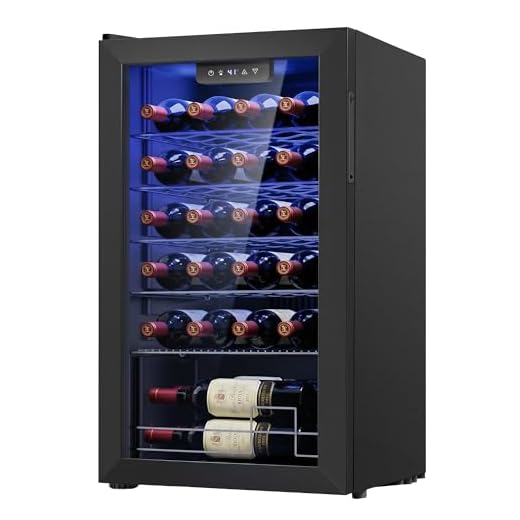

Optimal Conditions for Storing Varietals
A temperature range of 50-55°F is ideal for maintaining the quality of both types of beverages. For optimal aging, avoid fluctuations; consistency is key.
Humidity levels should be maintained around 70%. This prevents corks from drying out, which can lead to oxidation. A hygrometer can help monitor these conditions effectively.
Light exposure must be minimized. UV rays can degrade flavors, so I opt for a dark storage area or tinted bottles to protect them from light damage.
Storing bottles horizontally keeps corks moist, preventing air from entering the bottle. This method also saves space and allows for easier access.
Vibration can negatively impact the aging process. I make sure to place bottles on stable shelving away from appliances that generate vibrations.
Ventilation is essential. A well-ventilated space helps to avoid musty odors that can affect taste. I ensure that the storage area is not sealed tight.
Finally, avoid storing bottles in areas prone to strong odors, as these can permeate through the cork and alter the flavor profile. A clean, odor-free environment enhances preservation.
Optimal Temperature Ranges for Various Types of Wine
The ideal temperature for serving most robust varieties falls between 60°F to 65°F (15°C to 18°C). This range enhances the flavors and aromas, allowing the complexity of these beverages to shine. Storing them at slightly cooler temperatures, around 55°F (13°C), can help preserve their qualities over time.
For lighter selections, a cooler range of 45°F to 50°F (7°C to 10°C) is recommended. This temperature helps maintain their crispness and refreshing qualities. Keeping these options at around 50°F (10°C) ensures optimal enjoyment when served.
In summary, maintaining the appropriate conditions is key to maximizing the enjoyment of various types. For full-bodied selections, a warmer setting, while lighter varieties benefit from cooler temperatures. Adjusting the environment accordingly will enhance the tasting experience.
Ideal Humidity Levels for Wine Storage
Maintain humidity levels between 50% and 70% for optimal conditions. This range prevents corks from drying out or becoming moldy.
Effects of Humidity
- Too low humidity can lead to cork shrinkage, allowing air to enter and spoil the liquid.
- Excessive moisture may cause mold growth on corks, impacting flavor and aroma.
Monitoring Humidity
- Utilize a hygrometer to measure moisture levels accurately.
- If humidity is low, consider using a humidifier or placing a damp sponge in the storage area.
- For high humidity, ensure proper ventilation or use a dehumidifier to reduce moisture levels.
Regularly check these conditions to create a stable environment for aging and preserving your collection.
Best Practices for Wine Bottle Orientation
Always store bottles horizontally. This keeps the cork in contact with the liquid, preventing it from drying out and allowing air to enter. A dried-out cork can lead to oxidation and spoilage of the contents.
Exceptions to the Rule
Some bottles, particularly those with screw caps or synthetic corks, can be stored upright without risk. However, for traditional cork closures, horizontal placement is preferable.
Storage Solutions
Utilize wine racks or cabinets designed for horizontal storage. Ensure that the bottles are securely positioned to avoid rolling or shifting, which could compromise the cork seal.
| Storage Method | Recommended Orientation |
|---|---|
| Traditional Corked Bottles | Horizontal |
| Screw Cap Bottles | Upright |
| Synthetic Cork Bottles | Upright |


