
 Chuck Furuya
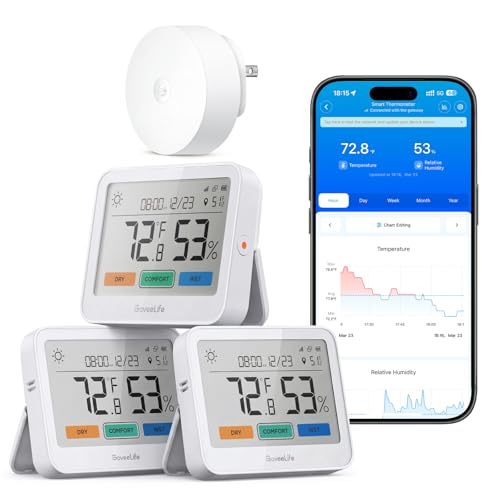
To maintain the integrity of your chilled beverage, a temperature between 45°F and 50°F (7°C to 10°C) is ideal. I’ve always found that a dedicated wine fridge offers the most precise control over this crucial factor.
Humidity levels should hover around 50% to 70%. This prevents corks from drying out and allows for an airtight seal, preserving the quality of the liquid inside. A simple hygrometer can help monitor humidity accurately.
Keep bottles upright to avoid contact between wine and cork. This minimizes the risk of cork taint and allows for a cleaner taste profile. Additionally, ensure that your collection is stored away from direct sunlight and vibration, as both can negatively impact flavor and aroma over time.
Labeling your collection can also enhance the experience. Knowing the varietals and their optimal drinking windows will help you enjoy each bottle at its peak. Taking the time to organize your selection makes for a more enjoyable experience when you decide to indulge.
Optimal Temperature Range for White Wine Storage
For preserving flavors and aromas, I recommend maintaining a temperature between 45°F and 55°F (7°C to 13°C) for optimal conditions. This range ensures that the characteristics of the beverage remain intact over time.


Temperature Fluctuations
Consistent temperatures are crucial. Fluctuations can cause expansion and contraction of the liquid, potentially leading to cork damage and oxidation. I aim for a stable environment, avoiding temperatures that rise above 70°F (21°C) or drop below 40°F (4°C).
Impact on Aging
For aging potential, cooler temperatures within the specified range tend to enhance the complexity of flavors. I find that higher temperatures can accelerate aging, often resulting in a loss of desirable traits.
| Temperature (°F) | Effect |
|---|---|
| Below 40 | Risk of freezing and damage to cork |
| 45-55 | Ideal for preservation and aging |
| Above 70 | Accelerated aging, loss of quality |
Choosing the Right Storage Location
For optimal preservation, I recommend placing bottles in a dark, cool area away from direct sunlight and temperature fluctuations. A dedicated wine fridge or cellar is ideal, as it maintains a consistent climate. If those options are unavailable, a temperature-controlled environment, like a basement, can suffice.
Light and Vibration Control
Exposure to light can degrade the quality of beverages, so choose a spot with minimal illumination. Avoid locations near windows or bright artificial lights. Additionally, vibrations from appliances or heavy foot traffic can disturb sediment and affect flavor. A stable, quiet environment is essential.
Humidity Levels
A humidity level between 50% and 70% is optimal. This range prevents corks from drying out while avoiding mold growth. If necessary, use a humidifier or dehumidifier to regulate moisture in the area. Regularly monitor conditions to ensure bottles remain in prime shape.
Impact of Light on White Wine Quality
Exposure to light significantly affects the integrity of a chilled beverage. Ultraviolet (UV) rays can lead to the degradation of delicate compounds, causing off-flavors and undesirable aromas. To mitigate these effects, I recommend using dark glass bottles, as they provide better protection against harmful light exposure.
Store in a dark environment, away from direct sunlight and fluorescent lighting. A wine cellar or a dedicated wine fridge with controlled lighting conditions is ideal. If natural light is unavoidable, consider using a protective cover or storing in a box to minimize exposure.
For optimal preservation, aim for consistent lighting conditions. Avoid frequent transitions between brightly lit areas and dark spaces, as this can stress the contents and affect the flavor profile. I’ve found that maintaining a stable environment is crucial for enhancing the longevity and quality of the beverage.
Humidity Levels and Their Importance
Maintaining humidity between 50% and 70% is critical for optimal preservation of bottled beverages. Insufficient moisture can lead to cork dryness, allowing air to enter and spoil the liquid. Conversely, excessive humidity may result in mold growth on labels and corks, affecting overall presentation and integrity.
Recommended Humidity Control Methods
- Use a hygrometer to monitor humidity levels regularly.
- Incorporate a humidifier in your storage environment if levels are too low.
- Utilize silica gel packets to absorb excess moisture when humidity is high.
Impact on Aging Process
Humidity significantly influences the aging process of various varietals. Optimal levels assist in maintaining the delicate balance of flavors and aromas, enhancing complexity over time. A stable environment promotes gradual aging, avoiding rapid oxidation or spoilage.
Investing in proper humidity control systems will ensure longevity and enhance the enjoyment of your treasured bottles.


I'm curious about the temperature range mentioned. Is it really necessary to keep white wine that cold? Can it affect the taste if stored at a slightly higher temperature?
Good question! Keeping white wine within the 45°F to 55°F range is ideal for preserving its flavors and aromas. While a slightly higher temperature may not ruin the wine immediately, it can accelerate aging and potentially alter its taste profile over time.
I've been using a dedicated wine fridge for a couple of years now, and I can definitely say it makes a noticeable difference. I used to just keep my bottles in the kitchen, but they were often exposed to light and temperature fluctuations. Since getting the fridge, my wine tastes so much better! I also keep the humidity in check with a hygrometer, which is super easy to use.
I’ve seen both wine fridges and regular refrigerators mentioned for storage. Is a wine fridge really worth the investment, or can a standard fridge do the job if managed well?
A wine fridge is designed specifically for wine storage, maintaining optimal temperature and humidity levels. While a standard fridge can work for short-term storage, it often has lower humidity and can be too cold, which may damage the wine over time.
You mentioned using silica gel for excess moisture. What’s the best way to tell if the humidity is too high?
Monitoring humidity with a hygrometer is the best method. It will give you a clear reading, and if levels exceed 70%, consider using silica gel packets or a dehumidifier.
I don’t think a dedicated wine fridge is necessary. I just use a cool basement and it works fine. Isn’t that good enough for most people?
While a cool basement can be effective, dedicated wine fridges offer more precise temperature and humidity control, which can enhance wine preservation and longevity. It really depends on how serious you are about wine storage.