
 Chuck Furuya

It’s clear: effervescent beverages do have a finite shelf life. Generally, I find that an unopened bottle can last up to two years from the date of bottling, provided it is stored in a cool, dark place. Once opened, it’s best to consume it within three days for optimal freshness and flavor.
Storing these sparkling drinks upright is crucial to minimize contact with the cork, which can degrade over time. I recommend keeping them in a consistent temperature environment, ideally between 45°F and 65°F. Avoid fluctuations in temperature, as they can negatively impact the quality.
Once the cork is popped, exposure to air begins to alter the taste profile. If you can’t finish the bottle, consider using a sparkling wine stopper to help preserve the bubbles for a bit longer. However, the freshness will diminish, and I suggest enjoying it sooner rather than later.
Expiration of Sparkling White Varietals
Those bubbly beverages can maintain their quality for several years if stored properly. Generally, non-vintage options are best consumed within three years of purchase, while vintage selections can last up to ten years or longer, depending on the specific type and producer.
Storage Tips
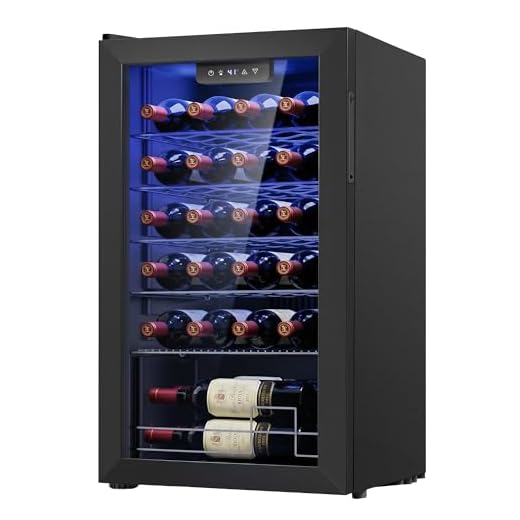
To prolong the life of your effervescent drink, keep it in a cool, dark place with a consistent temperature, ideally around 50-55°F (10-13°C). Avoid exposure to light and temperature fluctuations, as these factors can diminish flavor and carbonation. Horizontal storage helps keep the cork moist, preventing oxidation.

Signs of Decline
When assessing the condition of your bubbly, look for changes in aroma, flavor, and appearance. If the liquid has lost its fizz, developed an off-putting scent, or appears cloudy, it’s likely past its prime. Always trust your senses before serving.
Understanding the Shelf Life of Sparkling White Wine
To ensure the best quality, I recommend consuming these bubbly beverages within 1 to 3 years after purchase. For premium varieties, extending this timeframe to 3 to 5 years is feasible. Proper storage plays a significant role in preserving the integrity of the drink.
Storage Tips
- Keep bottles upright to minimize contact with the cork, preventing cork deterioration.
- Maintain a consistent temperature, ideally between 45°F and 65°F (7°C to 18°C).
- Avoid direct sunlight and fluctuating temperatures, as these factors can alter flavor and effervescence.
- Store in a cool, dark place, such as a wine cellar or a dedicated wine fridge.
Signs of Decline
Before opening, I check for the following indicators of quality degradation:
- Changes in color–darkening may suggest age or spoilage.
- Unusual or off-putting aromas upon opening.
- Weak or diminished bubbles, indicating a loss of carbonation.
By paying close attention to these factors, I can enjoy the delightful experience that a well-preserved bottle of bubbly offers.
Signs That Sparkling White Wine Has Gone Bad
First, check for any off-putting odors. A musty or vinegar-like smell indicates spoilage. Fresh aromas should be prominent; anything else is a red flag.
Next, observe the appearance. If you notice any cloudiness or sediment that wasn’t there before, it’s a sign that the beverage has deteriorated. A clear, bright liquid is a good sign of quality.
Pay attention to the bubbles. If they are weak or non-existent, this indicates a loss of carbonation, which can occur with age or improper storage. A lively fizz is essential for the experience.
Taste is critical. If the flavor seems flat, overly sour, or lacks the expected fruitiness, it likely means the drink has lost its freshness. A sharp, unpleasant taste also signals that it’s time to discard it.
Lastly, consider the bottle’s condition. If the cork is pushed out or has a significant amount of leakage, it may have been compromised, leading to spoilage. A securely sealed bottle is ideal.
Proper Storage Techniques for Sparkling White Wine
Store bottles in a cool, dark place with a consistent temperature between 45°F and 65°F (7°C to 18°C). Avoid locations with high humidity, as it can affect the cork and lead to spoilage. Aim for a humidity level around 70% to keep the cork moist and prevent oxidation.
Positioning and Packaging
Keep bottles horizontally to maintain contact between the cork and the liquid. This helps prevent the cork from drying out. If the bottles are sealed with a screw cap, vertical storage is acceptable. Use protective cases or racks to minimize movement and prevent breakage.
Light and Vibration Control
Limit exposure to direct sunlight and artificial light. UV rays can degrade the wine’s quality. Store bottles away from vibrations caused by appliances or heavy foot traffic, as this can disturb the sediment and alter flavor profiles.
| Storage Factor | Recommended Conditions |
|---|---|
| Temperature | 45°F – 65°F (7°C – 18°C) |
| Humidity | Around 70% |
| Light | Avoid direct sunlight and bright artificial light |
| Vibration | Minimize movement and vibrations |
Regularly check your stored bottles to ensure the environment remains stable. These practices will help preserve the quality and enhance enjoyment when it’s time to serve.


