Chuck Furuya




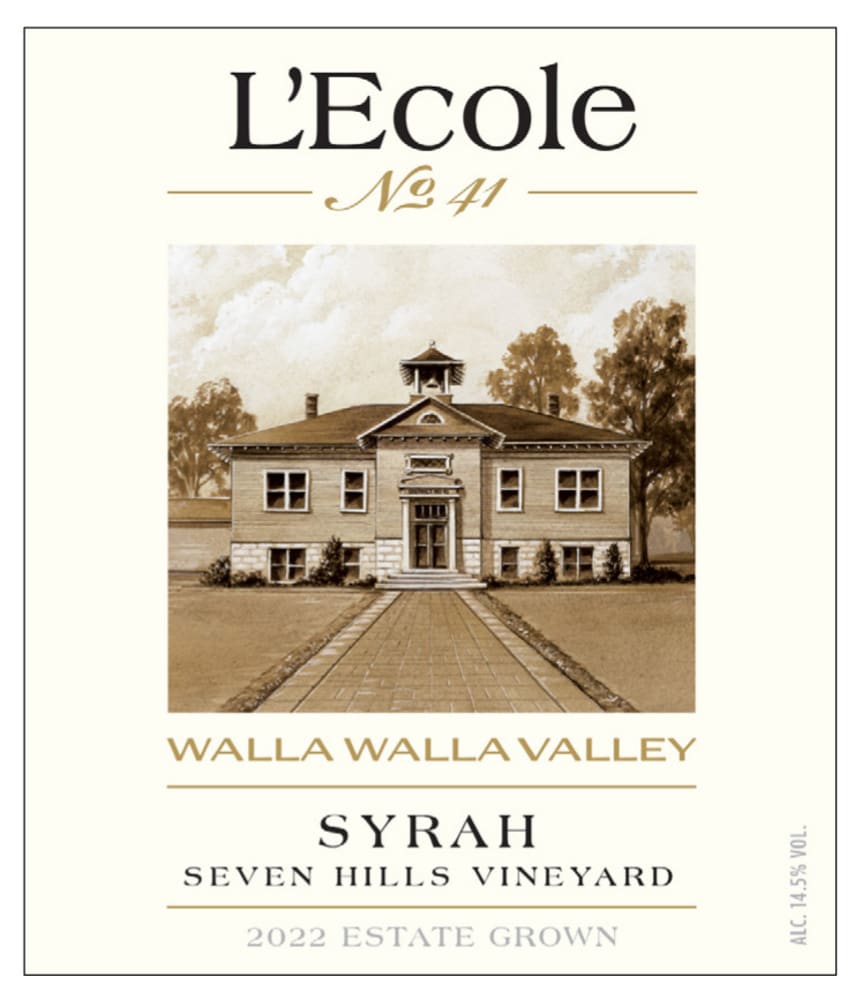
The experience of sipping a glass of this bold varietal reveals a complex profile often characterized by rich, dark fruit flavors. Expect to encounter notes of blackberry and plum, harmonizing beautifully with hints of black pepper and chocolate. These elements create a luscious mouthfeel that captivates the palate, making each sip a delightful exploration.
In addition to its fruit-forward nature, there are layers of spices and earthy undertones that may emerge. You might notice subtle nuances of tobacco or leather, which add depth and intrigue. The finish often leaves a lingering warmth, inviting you to take another sip. Pairing this full-bodied option with grilled meats or hearty stews enhances the overall tasting experience, complementing the wine’s robust character.
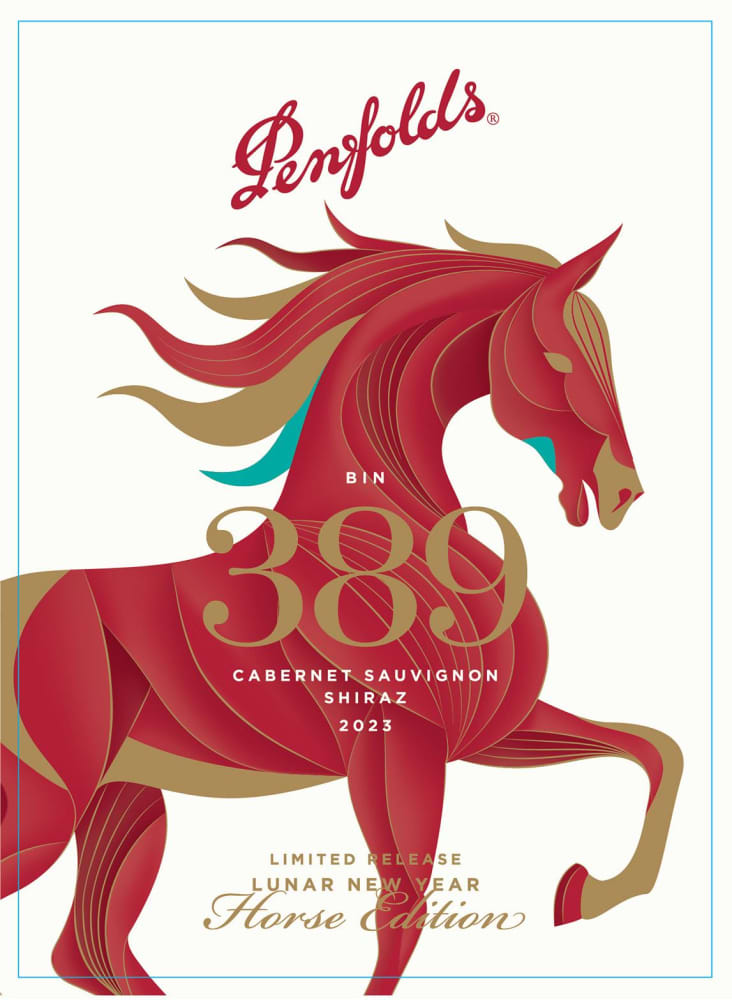
For those curious about aging potential, consider that some bottles can develop even more complex flavors over time, evolving to showcase additional layers of flavor. Whether enjoyed young or with a few years of bottle age, this varietal remains versatile and appealing, making it a popular choice among enthusiasts.
Flavor Profile of Shiraz
When experiencing this varietal, I often note its rich and bold characteristics. The initial impression typically brings dark fruits such as blackberry and plum, creating a luscious foundation. As I delve deeper, there’s an intriguing complexity with hints of black pepper and spice, often accompanied by subtle notes of chocolate or coffee.
Texture and Body
The mouthfeel is generally full-bodied, providing a velvety sensation. Tannins are present but often well-integrated, allowing for a smooth finish that lingers pleasantly. The acidity tends to be balanced, enhancing the overall richness without overwhelming the palate.
Food Pairing Suggestions
- Grilled meats, especially lamb or beef, complement the robust flavors.
- Spicy dishes, such as barbecue or Moroccan cuisine, mesh well with the peppery notes.
- Rich cheeses, particularly aged cheddar or blue cheese, enhance the tasting experience.
In my experience, serving at slightly below room temperature maximizes its aromatic presence, allowing the intricate layers to shine. Each sip reveals a new dimension, making for an engaging tasting experience.
Flavor Profile of Shiraz: Key Tasting Notes
Expect bold flavors and a complex character. The primary notes include dark fruits such as blackberry, plum, and black cherry, which provide a rich foundation. These are often complemented by hints of spice, including black pepper, clove, and sometimes even a touch of cinnamon, adding depth and intrigue.
Earthy undertones come forward too, with nuances of leather, tobacco, and sometimes a subtle smokiness, enhancing the overall profile. Depending on the region, you might encounter variations; for instance, Australian offerings often showcase a fruit-forward style, while those from France might lean more towards mineral and herbaceous qualities.
| Flavor Component | Typical Notes |
|---|---|
| Fruits | Blackberry, Plum, Black Cherry |
| Spices | Black Pepper, Clove, Cinnamon |
| Earthy | Leather, Tobacco, Smokiness |
| Regional Variations | Fruit-forward (Australia), Mineral (France) |
Finish tends to be smooth yet lingering, often leaving a velvety sensation. This wine pairs excellently with grilled meats, hearty stews, and rich cheeses, making it a versatile choice for various culinary experiences.
How Climate Influences Flavor
Regions with warmer climates typically produce grapes that exhibit riper, more concentrated flavors. High temperatures enhance the development of sugars while reducing acidity, resulting in a fuller-bodied profile with notes of dark fruits, chocolate, and spices. For instance, grapes from Barossa Valley in Australia often showcase rich plum, blackberry, and pepper characteristics due to the intense heat.
Impact of Terroir
The concept of terroir plays a significant role, where soil composition, elevation, and microclimates interact with the grape variety. Cooler areas, like those in parts of South Africa, allow for a longer growing season, preserving acidity and producing more nuanced flavors, such as herbal undertones and red fruit profiles. This balance creates a more elegant expression compared to the bolder styles from hotter regions.
Seasonal Variations
Weather fluctuations during the growing season also affect flavor complexity. A dry, sunny season can lead to optimal ripeness, while cool, wet conditions may introduce higher acidity and herbal notes. Vintage variation, driven by climate conditions, results in distinct flavor profiles from year to year, making each bottle a unique experience that reflects the specific climatic influences of that time.
Comparing Shiraz with Other Red Wines
When assessing the characteristics of this varietal alongside others, it becomes clear that each option brings a unique flavor profile to the table. Here are some comparisons with prominent red varieties:
Merlot vs. Shiraz
Merlot typically presents a softer, fruit-forward profile with notes of plum and cherry. In contrast, the varietal in focus showcases bolder flavors such as blackberry and spice. While Merlot tends to be smoother and rounder, the other offers a more robust experience with tannins that can be more pronounced.
Cabernet Sauvignon vs. Shiraz
Both varieties are known for their depth, but Cabernet Sauvignon often leans towards a more structured profile with strong blackcurrant and herbal notes. On the other hand, the latter tends to be fruitier with a spicier edge, often incorporating hints of pepper and chocolate. The tannins in Cabernet can be more firm, while the alternative provides a plush mouthfeel.
- Body: The focus here typically has a medium to full body, while Merlot is generally medium-bodied and Cabernet Sauvignon is full-bodied.
- Acidity: The acidity in the varietal being discussed is usually moderate, making it versatile for pairing with various foods, whereas Cabernet tends to have higher acidity.
- Food Pairing: The bold flavors of the discussed wine make it an excellent match for grilled meats and spicy dishes, while Merlot pairs well with lighter fare such as roasted chicken.
Overall, the differences in flavor, body, and acidity between these varieties highlight the unique qualities each one offers, allowing for a diverse tasting experience based on personal preference.
Food Pairings: What Goes Well with Shiraz
For a perfect match, I recommend rich meats such as grilled lamb or beef. The robust flavors harmonize beautifully with the bold characteristics of this varietal.
Barbecue dishes are another excellent choice. The smoky notes from the grill complement the fruity and spicy elements found in the beverage.
When considering cheese, opt for aged cheddar or blue cheese. Their creaminess balances the tannins, enhancing the overall tasting experience.
For a vegetarian option, try roasted vegetables, particularly those seasoned with herbs like rosemary or thyme. The earthiness of the vegetables pairs nicely with the wine’s profile.
Spicy cuisines, such as Indian or Mexican dishes, can also create a delightful contrast. The heat from the spices elevates the wine’s fruitiness, making each sip enjoyable.
Finally, if I’m in the mood for dessert, dark chocolate is an ideal pairing. The bitterness of the chocolate accentuates the wine’s rich flavors and creates a satisfying finish.
FAQ:
What are the main flavor notes in Shiraz red wine?
Shiraz red wine is known for its rich and bold flavor profile. Common tasting notes include dark fruits such as blackberry, plum, and cherry. Additionally, you might detect spicy undertones like black pepper, along with hints of chocolate, coffee, or tobacco. These flavors can vary depending on the region where the wine is produced, as well as the winemaking techniques used.
How does the taste of Shiraz differ based on its region of origin?
The taste of Shiraz can vary significantly depending on where it is grown. For example, Shiraz from Australia often has a fruit-forward profile with jammy characteristics, while those from France, particularly the Rhône Valley, may emphasize more earthy and herbal notes. Additionally, the climate and soil conditions of each region contribute to the wine’s unique flavor characteristics, leading to diverse expressions of Shiraz.
Is Shiraz a good wine to pair with food, and what dishes complement its taste?
Yes, Shiraz pairs well with a variety of foods. Its bold flavors make it an excellent match for grilled meats, such as steak or lamb, as well as barbecued dishes. The wine’s peppery notes also complement spicy foods, including Indian or Moroccan cuisine. For a richer pairing, consider serving Shiraz with hearty stews or dishes featuring mushrooms and dark sauces.
Are there any differences in taste between Shiraz and Syrah?
Shiraz and Syrah are essentially the same grape variety, but their taste can differ based on the region and style. Shiraz typically refers to the grape as it’s known in Australia and often exhibits a fruitier and bolder profile. Syrah, on the other hand, is the name used primarily in France and can present a more restrained and tannic flavor with deeper earthy notes. The difference in taste largely comes down to climate and winemaking practices.
What is the typical body and tannin level of Shiraz red wine?
Shiraz red wine is usually characterized by a full body and medium to high tannin levels. The full body contributes to its rich mouthfeel and depth of flavor, while the tannins provide structure and complexity. These tannins can soften with age, making older Shiraz wines smoother and more refined. When tasting, you’ll likely notice how these elements interact to create a robust and satisfying experience.
What are the primary flavor notes found in Shiraz red wine?
Shiraz red wine is known for its rich and bold flavor profile. Common tasting notes include dark fruits such as blackberry, plum, and black cherry. Additionally, you may detect spicy undertones like black pepper and cloves, along with chocolate or mocha notes, especially in wines that have undergone oak aging. The combination of fruitiness and spiciness gives Shiraz a complex and appealing taste.
How does the taste of Shiraz vary by region?
The taste of Shiraz can differ significantly depending on where it is produced. For instance, Australian Shiraz often has a fruit-forward character with ripe berry flavors and a touch of sweetness, while French Syrah (the same grape variety as Shiraz) typically presents more earthy and herbal notes, alongside higher acidity. Regions like the Rhône Valley in France emphasize peppery and floral characteristics, while warmer climates can lead to bolder, jam-like fruit profiles. This regional variation adds to the complexity of Shiraz wines.
What food pairings complement Shiraz red wine?
Shiraz pairs exceptionally well with a variety of foods due to its robust flavor. Grilled meats, particularly lamb and beef, are classic companions, as the wine’s boldness matches the richness of the meat. Barbecue dishes are also a great match, as the smoky flavors enhance the wine’s spiciness. Additionally, hearty stews, rich pasta dishes with tomato-based sauces, and aged cheeses complement Shiraz beautifully. The wine’s versatility makes it a favorite for many culinary pairings.
Is Shiraz suitable for aging, and how does its taste change over time?
Shiraz can indeed be suitable for aging, and its flavor profile often evolves significantly over the years. Young Shiraz typically presents vibrant fruit flavors and bold tannins. As it ages, the tannins soften, and secondary flavors develop, including leather, tobacco, and earthy notes. The fruit may become more subdued, allowing for a more complex and nuanced tasting experience. However, not all Shiraz wines are designed for aging; those with higher acidity and tannin levels tend to age better than lighter, fruit-forward options.