Chuck Furuya
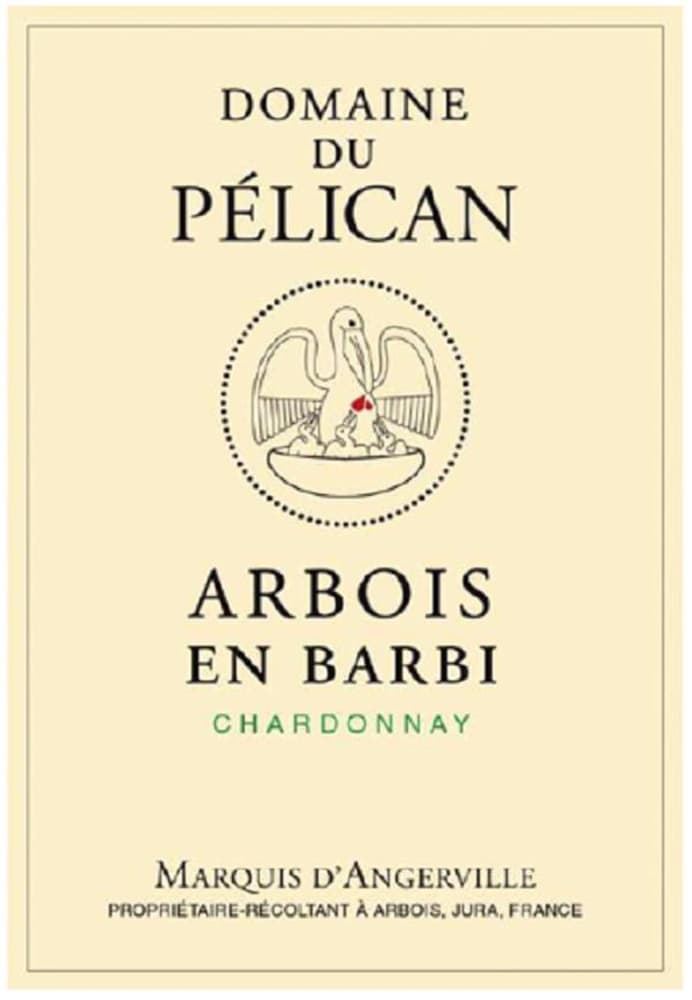



If you’re interested in exploring the world of viniculture, I recommend focusing on a few standout selections. For whites, consider Sauvignon Blanc, known for its crisp acidity and vibrant citrus notes, or Chardonnay, which offers a range from fresh and fruity to rich and buttery profiles. Another notable option is Riesling, celebrated for its aromatic qualities and versatility, especially in cooler climates.
On the red side, Cabernet Sauvignon consistently ranks as a favorite, delivering bold flavors of dark fruits and firm tannins. Merlot is another excellent choice, often presenting a softer, more approachable character with plum and chocolate undertones. Don’t overlook Pinot Noir, renowned for its elegance and complexity, often featuring red berry flavors and earthy nuances.
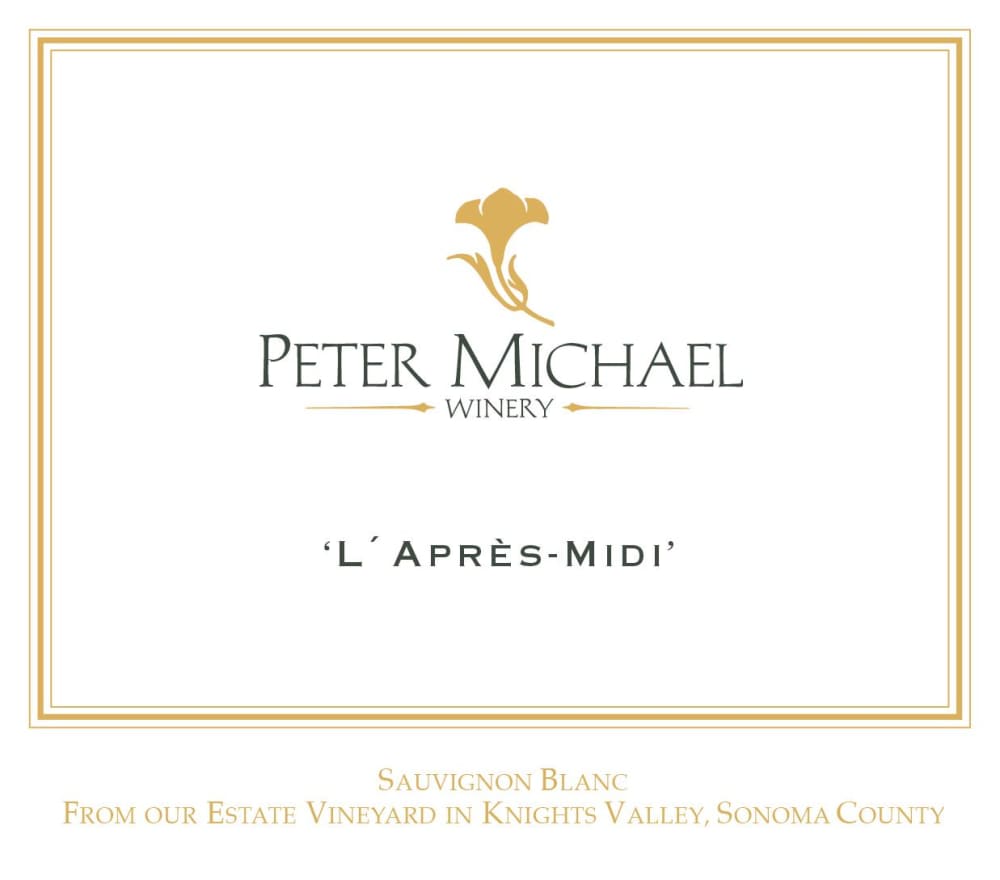
These selections not only represent the diversity of styles available but also highlight the unique terroirs from which they originate. Experimenting with these varietals can enhance your understanding and appreciation of the intricate craft involved in winemaking.
Key White Grape Varieties for Winemaking
Chardonnay stands out as a versatile choice, thriving in diverse climates. It produces wines that range from crisp and fruity to rich and buttery, depending on the winemaking process. I often recommend exploring both oaked and unoaked versions to appreciate its full range.
Sauvignon Blanc delivers vibrant acidity and aromatic notes, often showcasing herbaceous and citrus characteristics. This varietal excels in cooler regions, where its flavors can shine, especially when paired with seafood or fresh salads.
Riesling captivates with its aromatic complexity, offering floral and fruity profiles. It can be crafted into dry, off-dry, or sweet styles, making it a great companion for spicy dishes or desserts. I find its ability to express terroir particularly remarkable.
Pinot Grigio, known for its crispness and light body, often features notes of green apple and pear. It’s an excellent choice for warm weather and pairs nicely with light pasta dishes or grilled vegetables.
Gewürztraminer, with its intense floral and tropical fruit aromas, is perfect for those seeking unique flavor experiences. Its slightly sweet profile makes it a delightful match for spicy Asian cuisine.
Semillon, often blended with Sauvignon Blanc, offers richness and depth. When aged, it can develop honeyed nuances, making it a fantastic option for those who enjoy complex flavors.
Viognier, with its distinct peach and apricot notes, is a great alternative for those looking to explore aromatic whites. Its full-bodied nature pairs beautifully with creamy dishes.
Prominent Red Grape Varieties in Wine Production
Cabernet Sauvignon stands out with its robust structure and aging potential. Recognized globally, it thrives in various climates, producing complex flavors of blackcurrant, cedar, and green pepper. Regions to explore include Bordeaux, Napa Valley, and Coonawarra.
Merlot
Merlot offers a softer alternative, known for its approachable fruitiness. This variety often showcases flavors of plum, cherry, and chocolate, making it versatile for blending. Notable growing areas include Bordeaux, California, and Chile.
Pinot Noir
Pinot Noir is renowned for its elegance and complexity. This grape flourishes in cooler climates, delivering red fruit notes like strawberry and raspberry, along with earthy undertones. Key regions include Burgundy, Oregon, and New Zealand.
- Syrah/Shiraz: Offers bold flavors of blackberry and pepper, popular in regions like the Rhône Valley and Australia.
- Sangiovese: The backbone of Chianti, showcasing cherry and herbal notes, primarily found in Tuscany.
- Tempranillo: A cornerstone of Spanish wines, with flavors ranging from cherry to leather, predominantly grown in Rioja.
- Zinfandel: Known for its jammy fruit profile, often with spice, thriving in California.
Exploring these grape types enhances understanding of their unique characteristics and the diverse wines they produce.
Characteristics of Popular White Grapes
Chardonnay offers versatility, thriving in diverse climates. It can produce a range of styles, from crisp and mineral-driven to rich and buttery. Often exhibits flavors of apple, pear, and tropical fruits, complemented by notes of vanilla and oak when aged in barrels.
Sauvignon Blanc is known for its aromatic intensity and high acidity. Commonly showcases citrus, green apple, and herbal notes, with a characteristic grassy quality. Regions like Marlborough in New Zealand are renowned for producing vibrant and zesty examples.
Riesling
Riesling ranges from dry to sweet, with pronounced floral aromas and high acidity. Its flavor profile includes peach, apricot, and honey. German Rieslings, particularly from regions like Mosel, are celebrated for their ability to convey terroir.
Pinot Grigio
Pinot Grigio is often light and crisp, featuring flavors of lime, lemon, and green melon. It is particularly popular in Italy, where it tends to be drier and more refreshing, perfect for warm weather. In contrast, Pinot Gris from Alsace can be richer and more aromatic.
Distinct Features of Major Red Grapes
For those exploring the realm of red varietals, understanding their unique characteristics is paramount. Below is a table highlighting several prominent types along with their distinct flavor profiles, typical regions, and winemaking styles.
| Varietal | Flavor Profile | Common Regions | Winemaking Styles |
|---|---|---|---|
| Cabernet Sauvignon | Blackcurrant, green bell pepper, cedar | Bordeaux, Napa Valley, Coonawarra | Full-bodied, often oaked, suitable for aging |
| Merlot | Plum, black cherry, chocolate | Bordeaux, California, Chile | Soft, fruity, often blended |
| Pinot Noir | Cherry, raspberry, earthy notes | Burgundy, Oregon, New Zealand | Light-bodied, high acidity, often aged in oak |
| Syrah/Shiraz | Blackberry, pepper, smoky | Rich, spicy, can be blended | |
| Zinfandel | Blackberry, anise, pepper | California, Italy (Primitivo) | Jammy, high alcohol, often fruity |
These key varietals contribute significantly to the diversity and richness of red wines. Each brings unique qualities to the glass, enhancing the tasting experience. Whether opting for a robust Cabernet Sauvignon or a delicate Pinot Noir, knowing these features assists in making informed choices while selecting bottles for any occasion.
Regional Importance of Different Grape Varieties
Focusing on regional significance, specific cultivars thrive in distinct climates and soils, influencing local wine styles. For instance, Chardonnay flourishes in cooler regions like Burgundy, resulting in elegant, mineral-driven whites. Conversely, in warmer areas such as California, it often yields richer, fruit-forward profiles.
In Italy, Sangiovese dominates, reflecting the terroir of Tuscany, producing wines characterized by cherry notes and acidity, perfect for aging. Meanwhile, Nebbiolo, found in Barolo and Barbaresco, showcases floral and earthy qualities, indicating the unique geological composition of the Langhe hills.
In Spain, Tempranillo is paramount, especially in Rioja, where it adapts well to the region’s climate, creating age-worthy reds with dark fruit and spice. Garnacha, flourishing in warmer parts of the country, contributes to lighter, fruitier blends.
Australia’s Shiraz stands out, particularly in regions like Barossa Valley, where its bold flavors and peppery notes reflect the hot climate. On the other hand, cooler zones like Tasmania produce more restrained and elegant versions.
In South Africa, Chenin Blanc plays a crucial role, thriving in various styles from crisp and refreshing to rich and complex, showcasing the versatility of the region’s terroir. Pinotage, a local hybrid, offers a unique expression with its smoky and berry characteristics.
Understanding these regional nuances enhances appreciation for the diversity of wine. Each variety tells a story of its environment, making every bottle a reflection of its origins.
FAQ:
What are the most popular white grape varieties used in winemaking?
The most popular white grape varieties include Chardonnay, Sauvignon Blanc, and Riesling. Chardonnay is known for its versatility, producing wines that range from crisp and fruity to rich and buttery. Sauvignon Blanc is often characterized by its high acidity and herbal notes, making it a favorite for refreshing white wines. Riesling, on the other hand, can produce a range of styles from dry to sweet, often showcasing floral and fruity aromas.
Can you name some famous red grape varieties?
Some of the most well-known red grape varieties include Cabernet Sauvignon, Merlot, and Pinot Noir. Cabernet Sauvignon is celebrated for its bold flavors and structure, often leading to age-worthy wines. Merlot is typically softer and fruitier, making it approachable for many wine drinkers. Pinot Noir is recognized for its complexity and elegance, often exhibiting flavors of red berries and earthy notes.
What grape varieties are commonly used for making rosé wine?
Rosé wine can be made from a variety of red grape types, but some of the most common include Grenache, Syrah, and Sangiovese. Grenache is frequently used due to its bright fruit flavors and light body, making it ideal for refreshing rosés. Syrah adds depth and spice, while Sangiovese contributes acidity and cherry notes, resulting in a well-balanced rosé.
Are there any lesser-known grape varieties that are worth trying?
Yes, there are several lesser-known grape varieties that can offer unique tasting experiences. For example, Grüner Veltliner is an Austrian white grape known for its peppery notes and crisp acidity. Similarly, Tannat is a red grape from Uruguay that produces bold and tannic wines, often with dark fruit flavors. Exploring these varieties can reveal new dimensions in the world of wine.
How do different grape varieties affect the taste of wine?
Grape varieties have a significant impact on the flavor, aroma, and structure of wine. Each variety has its own unique characteristics, influenced by its genetic makeup, growing conditions, and winemaking techniques. For instance, Cabernet Sauvignon tends to produce full-bodied wines with dark fruit and tannins, while Pinot Noir often results in lighter wines with red fruit and floral notes. The choice of grape variety is crucial in determining the final profile of the wine.
What are the main white grape varieties used in winemaking?
The most widely used white grape varieties for making wine include Chardonnay, Sauvignon Blanc, and Riesling. Chardonnay is known for its versatility and can produce a range of styles, from crisp and clean to rich and buttery. Sauvignon Blanc is often characterized by its zesty acidity and fruity flavors, while Riesling is celebrated for its aromatic qualities and sweetness, making it popular for both dry and dessert wines. Other notable white varieties include Pinot Grigio, Gewürztraminer, and Chenin Blanc, each contributing unique characteristics to the wines they produce.